I often find myself photographing western food late at night, when the city softens and the dining table becomes quieter. Western food in Singapore does not always live inside polished restaurants. Sometimes it sits under fluorescent lights at a food center, sometimes at a hawker stall with a flat top grill that has seen decades of use. These are the places where texture, smoke, and shadow matter more than presentation.
At night, western food looks different. Steak carries more weight under warm light. Fries absorb shadow. Sauce settles slowly on a plate. The appeal of crispy textures in fried Western dishes, like chicken or fish, becomes especially vivid, night photography highlights the crunchiness of battered items, making the golden, crispy coating stand out against the darkness. As a photographer, I am not just looking for a meal. I am looking for how food behaves after dark, how meat is cooked, how butter melts, how steam lifts and disappears.
Chicken chop and the language of old school western food
Chicken chop is one of the first western dishes many people in Singapore grow up eating. A grilled chicken chop arrives covered in sauce, paired with fries, baked beans, sometimes a fried egg resting quietly at the edge of the plate. Eggs are a staple in Western food, often featured in classic breakfast dishes like steak and eggs, or as a key component in hearty breakfast plates. It is familiar and dependable. It fills the stomach and leaves room for memory, delivering value-for-money with its hearty portions at affordable prices.
From behind the camera, chicken chop is about surface. The crisp skin where it meets the grill. The slight char marks that catch light at an angle. Garlic sauce or black pepper sauce pooling beside mashed potatoes. A chicken sausage placed almost as an afterthought.
This is old school western food, rooted in early days when recipes travelled through the British Navy and adapted to local taste. Rice appears alongside fries. Beans sit next to meat without apology. Two sides are enough. More would distract. When I photograph chicken chop late at night, I wait for the moment when the sauce settles and the plate stops moving. That stillness is where flavor lives.
Western barbeque smoke light and patience
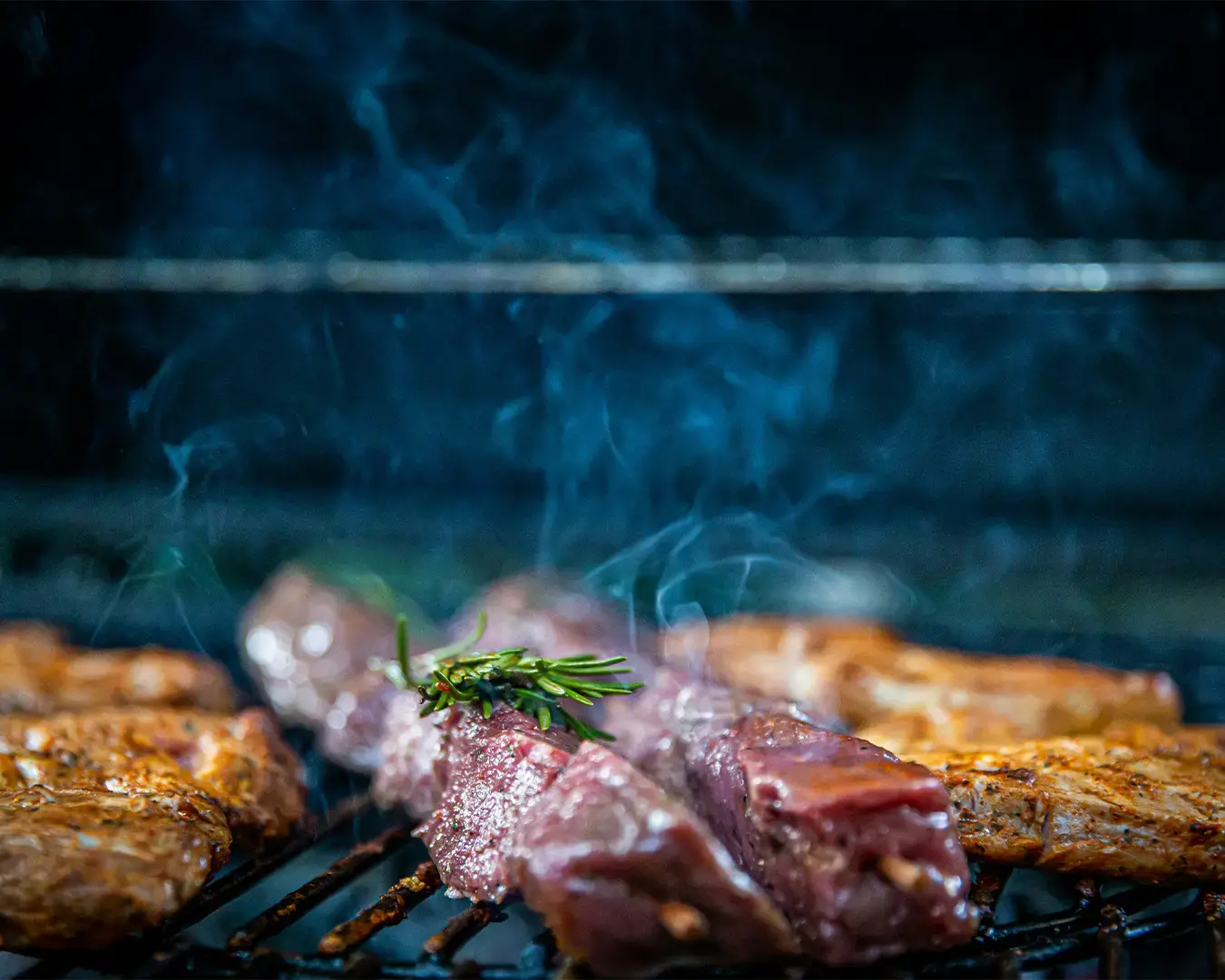
Western barbeque changes the air around it. Smoke clings to clothes and camera straps. Meat cooks slower. Time stretches.
At a hawker stall offering western barbeque, I watch lamb chop sizzle beside pork chop and chicken cutlet. A mixed grill is built piece by piece. Beef steak rests before slicing. Crinkle cut fries wait under heat lamps. Garlic and butter hit the grill together and the sound alone is enough to pause conversation.
Western barbeque is generous. It serves without rush. Meat is cooked until tender, charred just enough. Black pepper sauce thickens on the side. Gravy coats mashed potatoes. Bread arrives to soak up what is left on the plate.
As a photographer, I do not chase action here. I let the smoke soften edges. I let highlights bloom slightly. Western barbeque rewards patience, both at the stall and behind the lens.
Food center nights and the quiet work of a hawker stall
A food center after sunset has its own rhythm. The noise drops. Long queues thin out. Stalls continue working with the same focus they had during lunch.
At a hawker stall serving western food, the menu is often fixed. Chicken chop. Pork cutlet. Fish and seafood options for those who do not eat meat. Pasta like aglio olio appears quietly on the board. Burgers are cooked only when ordered. Everything has its place.
The stall serves food without explanation. Plates are assembled from muscle memory. Fries counted by sight. Sauce ladled by instinct. This is skill built on repetition, on showing up daily basis and cooking the same dishes for years.
Photographing in a food center requires restraint. Light is harsh. Space is limited. I look for angles where the plate feels covered, protected. I focus on hands, on the way a plate is passed across the counter. The food does not need embellishment.
Holy Grill and the idea of a hidden gem
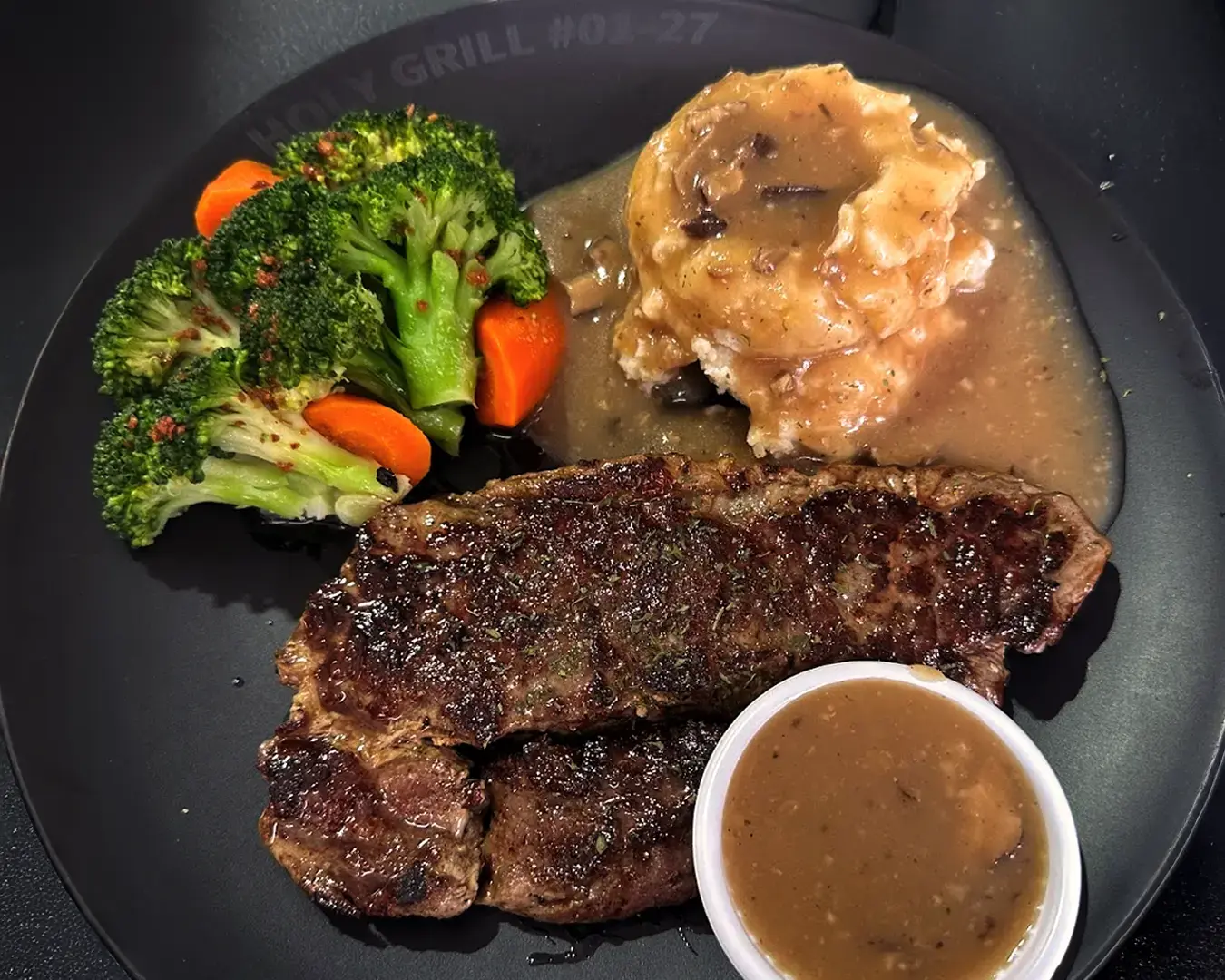
Holy Grill sits in that middle space between familiarity and discovery. For many, it is a hidden gem. For others, it is simply where they eat dinner.
The stall serves western food with confidence. Chicken chop arrives tender. Pork chop is cooked evenly. Ribeye steak carries a nice char without excess. Cheese fries melt slowly. Baked potato splits open to release steam. Black pepper sauce is balanced and consistent. Holy Grill is not chasing attention. It focuses on flavor and value. Affordable prices matter here. So does reliability. Ang Mo Kio residents return because the food does not change.
From a photographic point of view, Holy Grill rewards quiet observation. The plates are honest. The portions are generous. There is no rush to style. I wait for the right moment when the plate feels settled on the dining table, when the sauce has stopped moving, when the meal feels ready.
Ye Lai Xiang history memory and Airport Road
Ye Lai Xiang at Airport Road Food Centre is part of Singapore food memory. It is often mentioned alongside phrases like old school western food and long queues. It sits close to Airport Road, surrounded by market activity and everyday movement.
The stall has history. Early days matter here. The flavors have remained consistent because people expect them to. Chicken chop with baked beans. Pork cutlet with black pepper gravy. Chicken sausage paired with fries. Rice offered as an option without judgement.
At Airport Road Food Centre, light is unforgiving. But that is part of the challenge. I photograph Ye Lai Xiang the same way I approach the stall itself. With respect. Without interference. I wait until the plate is placed down and untouched. The sauce glistens briefly. Steam lifts from the meat. The dish exists exactly as it should.
Western food at the dining table and shared time
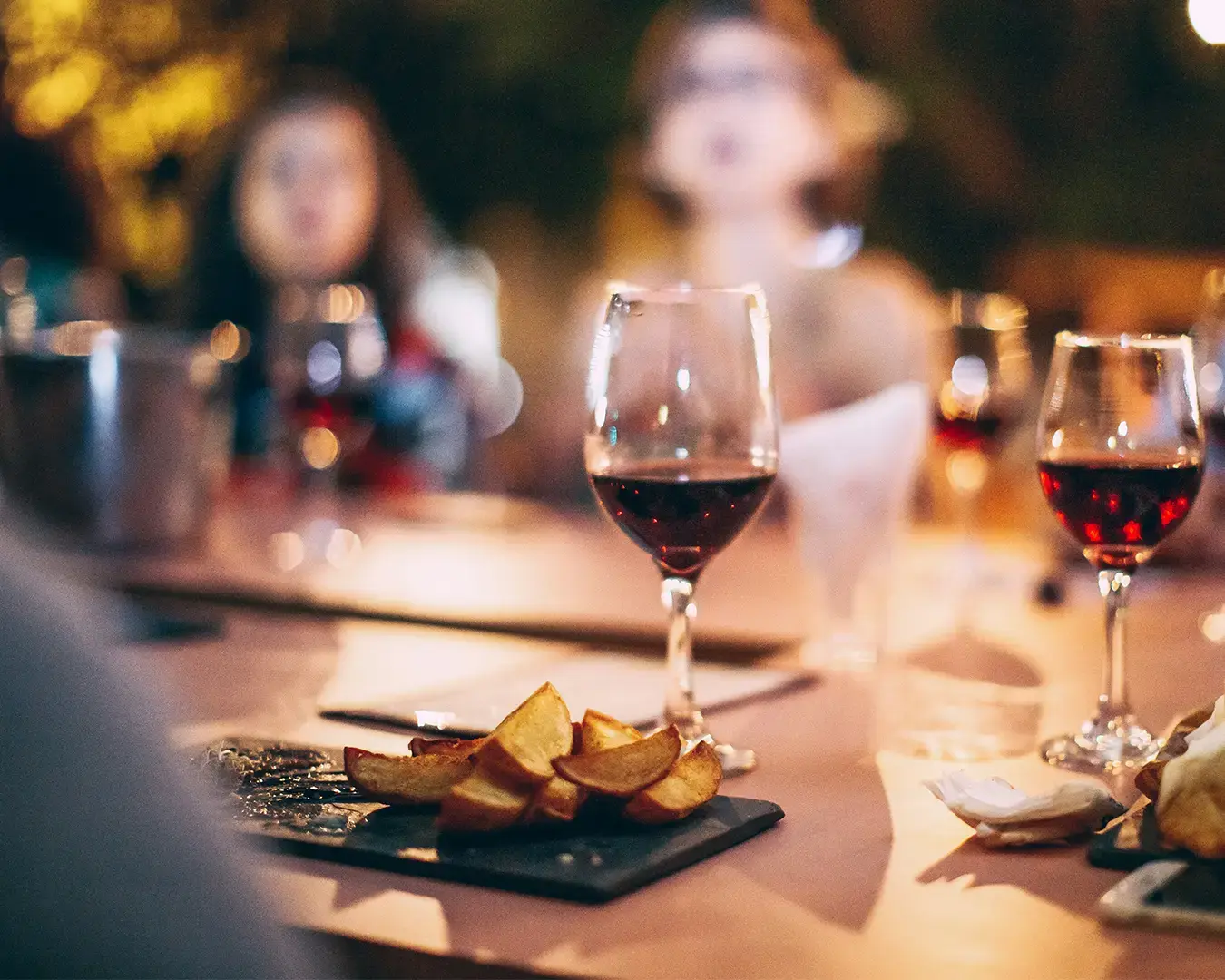
Western food is often shared. Plates pass across the dining table. Friends reach for fries. Sauce is compared. Meals stretch into conversation. At night, I watch how people eat. A couple splitting a mixed grill. Families ordering chicken chop and pasta for the table. Someone adding black pepper to taste. Someone tearing bread to mop up gravy.
These moments matter more than the food itself. Photography here is about restraint. I do not interrupt. I observe. Western food brings people together without ceremony. It does not demand attention. It allows space for conversation, for laughter, for quiet.
Why western food continues to matter in Singapore
Western food in Singapore sits comfortably between tradition and adaptation. It reflects history, from British Navy influences to local preferences. It continues because it works. Chicken chop remains popular. Steak still draws interest. Pasta provides comfort. Burgers satisfy quickly. Seafood options allow inclusion. The menu evolves slowly.
At hawker stalls and food centers, western food survives on trust. People know what they will get. Affordable prices keep it accessible. Consistency keeps people returning. As a photographer, I return because these places offer honesty. They do not pretend. They serve.
Midnight Photographer and seeing food differently
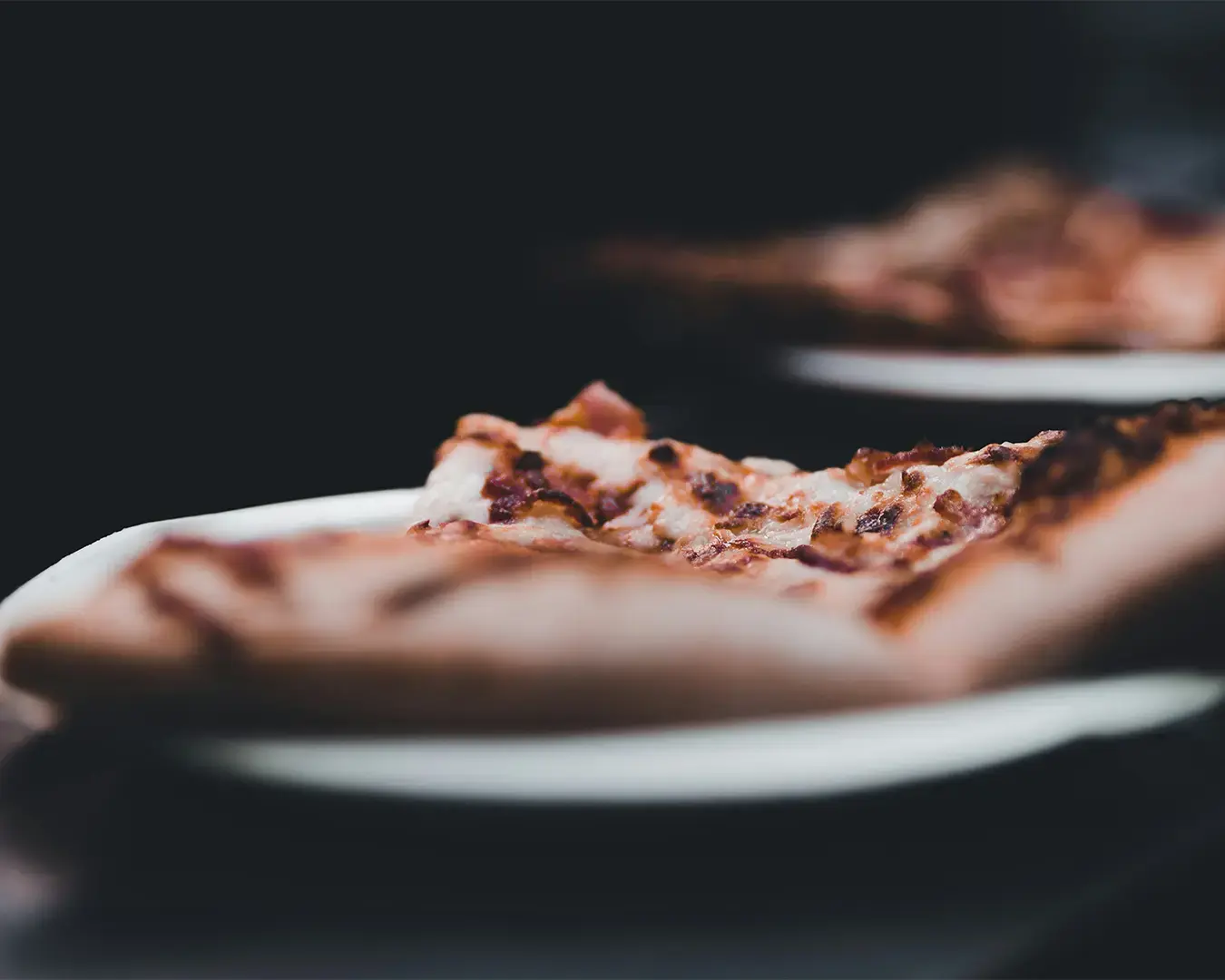
Platforms like Midnight Photographer exist to slow things down. To notice how food looks when no one is rushing. To see western food not as a category, but as a lived experience.
I photograph food at night because it reveals itself differently. Shadows matter. Time stretches. Meals become quieter. It is also important to verify details such as restaurant information, menu items, or opening hours to ensure accuracy for readers.
Western food fits this perspective naturally. It does not demand spectacle. It invites attention. When I leave a food center or hawker stall after dinner, the plate stays with me longer than the image. That is how I know the photograph worked.
Closing thoughts on western food and the act of looking
Western food does not need reinvention. It needs care. It needs patience. It needs someone willing to wait before pressing the shutter. Whether it is chicken chop at Airport Road Food Centre, western barbeque at a hawker stall, or a plate from Holy Grill shared among friends, the value is in the moment.
I type restaurant near of me often. But I rarely find what I am looking for on the screen. I find it by walking, by waiting, by watching.
That is where western food lives best. In the middle of the night. On a plate. Under imperfect light. Ready to be eaten.

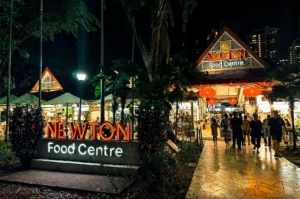
Newton Food Centre After Dark: The Stalls Worth Visiting at Night
Sarah Teh | September 23, 2026
The day heat lifts slowly here. By the time I reach Newton Food Centre, the sun has gone and the light has changed hands. No longer the flat white of afternoon. Now it comes from the stalls themselves, bulb by bulb, a row of small fires holding back the dark along Clemenceau Avenue North. Newton…
-
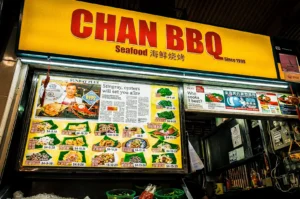
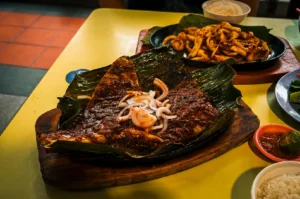
The Red Glow of Chan BBQ: A Stingray Shoot After Supper Begins
Sarah Teh | September 17, 2026
The grill was the brightest thing in the room, and that was the problem. It was past eleven at Fengshan Market & Food Centre, and I had been standing near Chan BBQ for a while, camera down, watching the uncle work the coals. He moved without hurry. A pair of tongs in one hand, a…
-
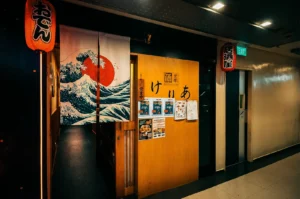
The Last Table at Keria Japanese Restaurant: A Late-Night Photoshoot in Cuppage Plaza
Sarah Teh | September 16, 2026
Orchard Road lets go of its crowds slowly. By the time I reached Cuppage Plaza B1 28, the shopping stretch behind me had thinned to a few late walkers and the low hum of traffic sliding past shuttered windows. The bright malls were already dimming. The night was settling in the way it does here,…
-
Sambal in the Shadows: Shooting Chomp Chomp BBQ at Bedok 85
Sarah Teh | September 10, 2026
The smoke found me before the food did. It was close to midnight at Bedok 85, and I had been standing at Chomp Chomp BBQ for a while, camera down, letting my eyes settle. The uncle worked the grill with his back half turned to the crowd, a pair of tongs in one hand, the…
-
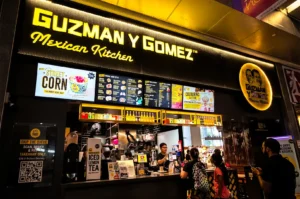
Guzman y Gomez Singapore: When The Lights Stay On at Orchard Gateway
Sarah Teh | September 9, 2026
Orchard Road empties from the top down. By a quarter to midnight, storefronts have started pulling their shutters, glass gone dark over displays that glowed all day. Escalators still run. A few people drift toward the Somerset MRT with shopping bags softened at the handles, while red tail lights smear across the wet glass outside….
-
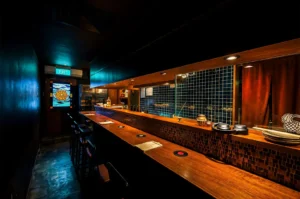
Apollon AM-Bar Review: Photographing an Intimate Izakaya in Orchard Plaza
Sarah Teh | September 4, 2026
Finding Apollon AM-Bar on the First Floor The first floor of Orchard Plaza’s dining oasis is quiet in that way old shopping centres go quiet at night. The bright shops of Orchard Road felt far away by the time I found unit #01-29. Inside, there isn’t much room. A counter, a handful of seats, staff…
-
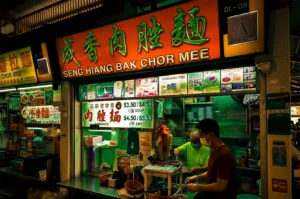
Waiting Beside the Soup Pot: Photographing Seng Hiang Bak Chor Mee at Midnight
Sarah Teh | September 3, 2026
The pot never stopped moving. It was near midnight at Bedok 85, and I had been standing at Seng Hiang for a while, doing more watching than shooting. The auntie worked the noodles in a wire basket, dipping them into the boiling water, lifting, shaking off the drops in three quick beats. She did not…
-
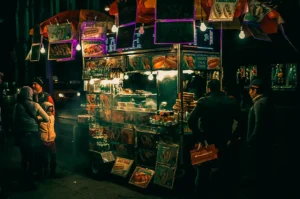
Night Market in Singapore Photography Guide: Capturing Street Food After Dark
Sarah Teh | September 2, 2026
It’s past eight, and the lingering heat warms the pavement. A grill flares beneath bare bulbs, smoke rising as a vendor fans the coals. Satay skewers sizzle, coins exchange hands, and the queue shifts, a fleeting moment in the vibrant night market in Singapore. Most visitors miss this dynamic scene. They arrive ready to photograph…
-
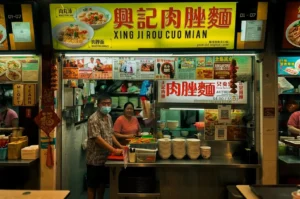
Steam Above the Orange Chopsticks: A Night at Xing Ji Rou Cuo Mian
Sarah Teh | August 27, 2026
The steam came up in one thin ribbon, and I almost missed it. It was near eleven at Bedok 85, and I had been standing at Xing Ji Rou Cuo Mian for a while, watching more than shooting. The uncle worked the noodles in a wire basket, dunking them into the boiling water, lifting, shaking…
-
Somerset Food by Night: Food Spots Open Until Midnight and Beyond
Sarah Teh | August 26, 2026
The malls close first. Restaurants dim their lights behind glass, chairs are stacked, and the daytime shopping crowds begin to leave Orchard Road. Somerset, which spends most of the day moving between lunch queues and retail floors, quietly becomes something else. I walk the streets around Somerset MRT Station with a camera after dark: down…