The first nasi lemak picture I ever loved was a failure.
It was past midnight, under the harsh fluorescent stall light buzzing overhead, and I had shot the plate straight down the way everyone tells you to. When I looked at it later, everything had melted into one flat surface. The rice, the sambal, the chicken, all blurred into a warm brown mess.
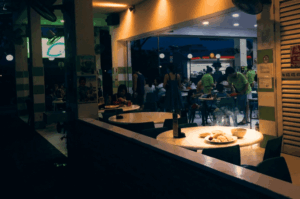
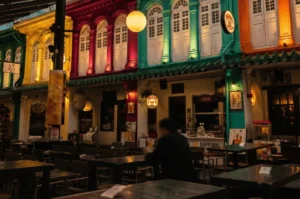
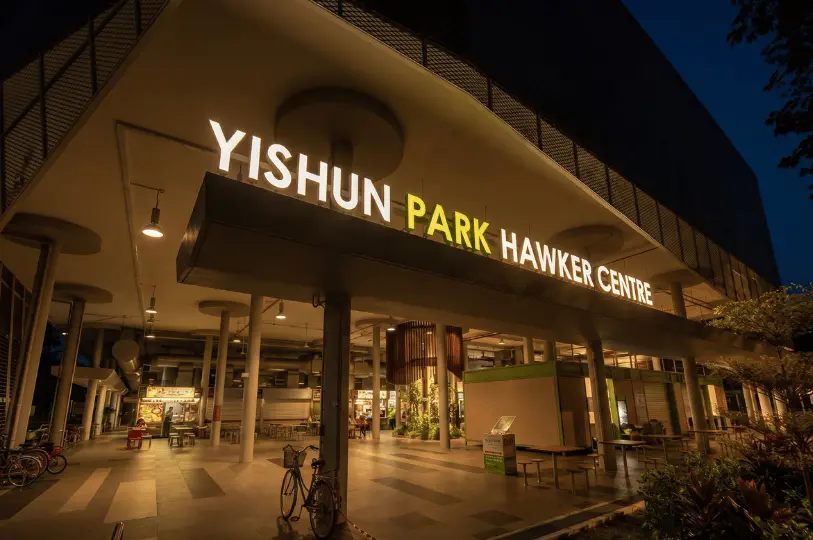
Since then, I have been photographing this beloved dish, mostly after dark at popular late-night supper spots like Yishun Park Hawker Centre, Bugis Cube, or Orchard Plaza around Singapore. What I have learned is this: a good nasi lemak picture does not try to escape the hawker centre. It carries the stall light, the table texture, the quickness of the moment, and the authentic atmosphere of the place. Here is how I frame it to capture the true essence of power nasi lemak, with its fresh ingredients and comforting fare.
The Nasi Lemak Profile: Start With the Anchor
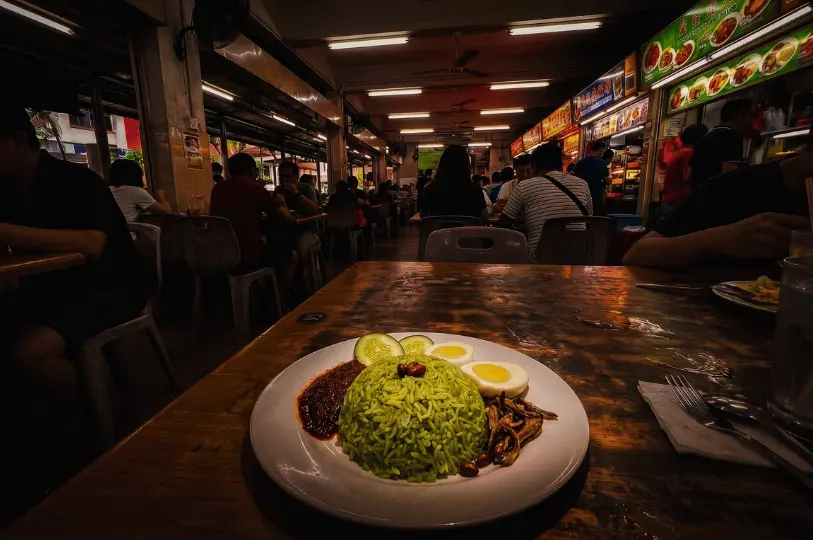
Every plate needs one thing your eye lands on first. Any dining spot vying for a Best Restaurant recognition would know that much in curating their menu. For nasi lemak with fried chicken, that anchor is almost always the chicken. It has the most height, the most texture, the most shadow.
Place it slightly off-center. I know it feels wrong at first. We want to center the star. But dead-center framing flattens the plate and kills any sense of depth. Push the chicken to one side and let the rest of the plate breathe around it.
Dickson Nasi Lemak’s Pull of This Dish
When I shoot at Dickson Nasi Lemak, the Ayam Goreng Berempah does all the heavy lifting. Their chicken leg version comes with coconut rice, peanuts, crunchy ikan bilis, a fried egg, sambal, and cucumber, usually landing somewhere in the $6 to $10 range. I bring that spiced fried leg close to the lens, angle the crispy ridges toward the light, and let everything else fall back softly behind it. The viewer should notice the crispy skin first, then travel back into the plate.
Pro Tip: Before you frame anything, decide what the viewer sees first. If you cannot answer that in one second, the composition is not ready yet.
Coconut Rice Spotlight: Let It Do the Balancing
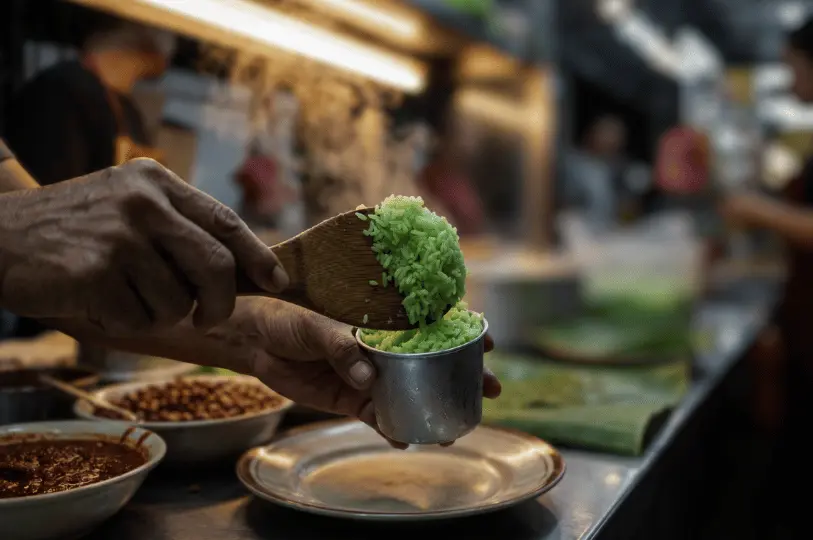
Here is the mistake I made for years. I treated the coconut rice as empty space, something to fill or hide behind the chicken.
That is backwards. The rice is the dish. Its name literally means rice cooked in coconut milk, often with pandan for fragrance. It is the pale, calm surface that balances the dark sambal and the golden fried elements. Bury it and you lose the identity of the whole plate.
The Rice of Aliff Nasi Lemak
Keep part of the rice unobstructed. Let its softness sit against the sharper textures around it. At Aliff Nasi Lemak in Serangoon Garden Market and Food Centre, this matters even more. Their fragrant, ginger-scented basmati rice and crisp fried ikan bilis are the whole point of the stall. So when I shoot there, I let the rice and anchovies lead. A top-down angle works well here because it shows the grain and the arrangement clearly. Do not over-style it. Let it stay recognizably hawker centre, tray edge and all.
Fried Chicken’s Company: Treat Sambal as a Red Accent, Not a Flood
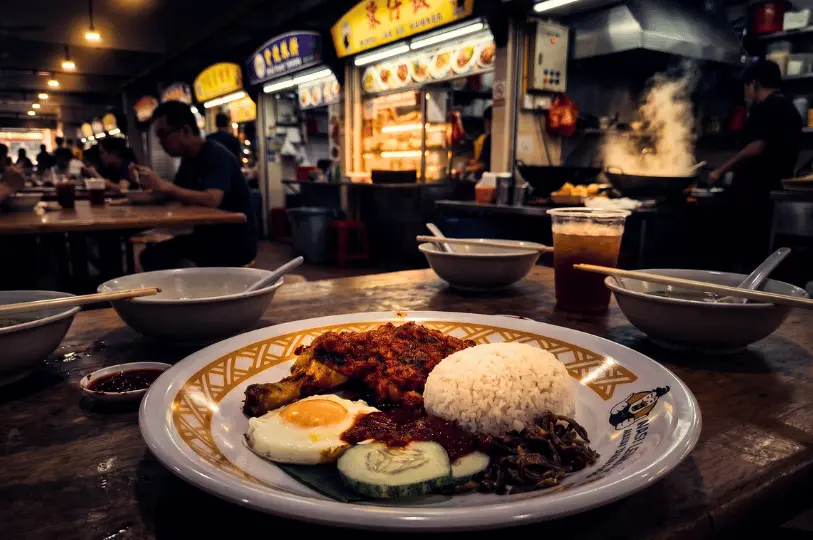
Sambal is the loudest thing on the plate. That is exactly why you have to control it.
Think of it as punctuation. A red weight that pulls the eye back into the frame after it has wandered to the chicken wing or nasi lemak. Place it beside the rice, tucked near the fried egg, or close to the crispy skin. What you want to avoid is letting it smear across everything until the whole image turns muddy and dark.
Nasi Lemak Ayam Taliwang’s Sambal Special
For example, at popular stalls like Nasi Lemak Ayam Taliwang, the sambal is carefully dolloped to complement the tender meat and fluffy coconut rice without overwhelming the plate. This balance allows the vibrant red sambal to pop as a visual highlight rather than a distracting flood.
The exception is when mess is the story. If you want to shoot heat, appetite, and imperfection, then lean into the smear. Move close. Focus on the exact point where sambal, rice, and chicken skin meet.
Pro Tip: Sambal that photographs too dark usually means your exposure is too low. Lift it slightly and the red comes alive instead of going black.
Build Texture With the Supporting Cast: Cucumber, Peanuts, and More
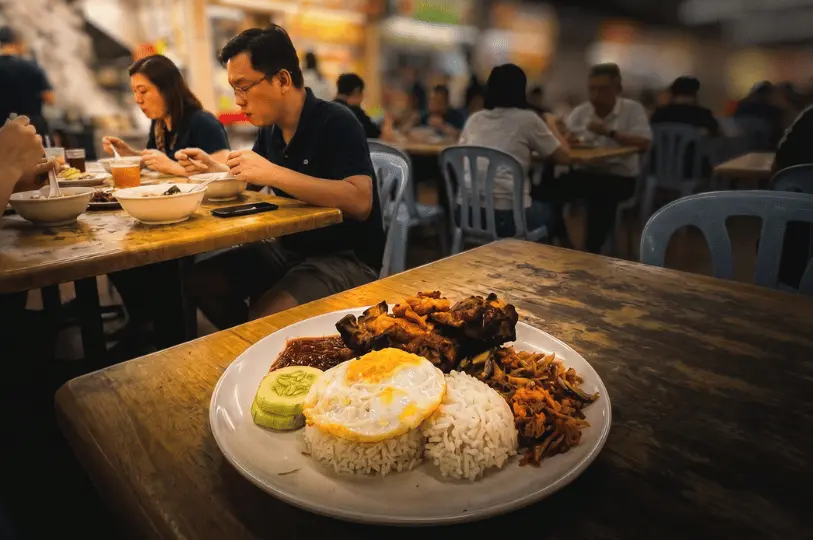
Everything else on the plate is a texture marker. Use it that way.
Cucumber gives a green break against the warm fried tones. Place it near the darker elements so it reads as a small cool contrast. Ikan bilis and peanuts add crunch and a very local specificity, so keep them visible rather than buried under rice. The egg is your soft shape, the thing that balances all the sharp, crisp edges.
A Lawa Bintang Texture Scenario
At Lawa Bintang, the plates are built for spectacle, which changes how you use these supporting pieces. Their Grilled Sotong Nasi Lemak, often around $10 to $15, gives you a squid you can stretch diagonally across the plate. Let it sculpt the frame. The rice stays as the pale anchor, the sambal becomes the red mark near the edge, and the sotong provides the movement. A slightly lower angle suits this one because the squid has real shape worth showing.
From curry-darkened plates to coconut rice framed in moonlit geometry, this guide to Japanese curry Singapore leads into the quieter art of composing a rice bowl with as much heart as this local favorite.
From What Angle Do I Shoot The Famous Nasi Lemak?
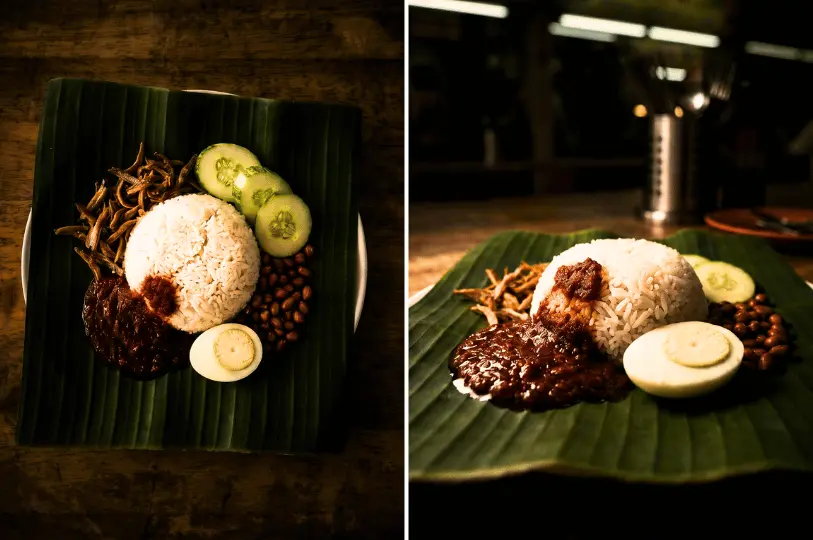
This is the question I get most, so let me be direct about it.
Top-Down or 45-Degree: How to Choose
Shoot top-down when the plate has clear separation. If the coconut rice, sambal, cucumber, fried egg, ikan bilis, peanuts, and chicken wing are laid out like a visual map, a flat overhead shot reads beautifully. It shows every component at once. This is the classic hawker plate composition, and it is why Aliff’s arranged plates work so well from above.
Shoot at 45 degrees when height and texture matter. Tall, glossy, or heavily textured fried chicken wing loses everything from directly overhead. You flatten the crust into a shape. A 45-degree angle reveals the ridges, the crispy skin, the shadow underneath.
A Husk Nasi Lemak Angle
Husk Nasi Lemak is a good example of choosing by dish. For their signature chicken cutlet, I use the cutlet as the main line of the image, slightly off-center. If the crust is worth emphasizing, I go 45 degrees. But for something saucier like their Assam Pedas Fish, I crop tighter and keep the sauce from swallowing the rice, so the whole image does not drown in red-orange.
Pro Tip: When in doubt, take the safe 45-degree shot first with rice, sambal, and chicken all clearly visible. Then experiment. You will never regret having the reliable frame in the bag.
Common Mistakes to Avoid from Behind The Lens
I have made every one of these.
- Blown-out rice. The most common night error. Lower your exposure so the grain keeps its shape.
- Greasy highlights on the chicken. Move slightly so the light hits the skin at an angle instead of bouncing straight back as a shiny patch.
- Sambal that reads too dark. Lift exposure, or reposition it near a lighter element so it does not vanish into shadow.
- The all-flat overhead shot. When every ingredient blends into one surface, you have lost the plate. Switch to 45 degrees.
- Cluttered trays and half-eaten plates. Shoot before you take the first bite. Clear the receipts and stray utensils out of frame.
- Forgetting the rice. Do not hide it behind the chicken wing. It is the heart of the dish.
A Word on Etiquette: Beyond After-Dark Graces
This part matters more than any camera setting.
Hawker centres and Muslim-owned eateries like Latiffa Huri in Jurong West thrive on shared tables, moving queues, and hardworking cleaners. Do not block a stall front for a photo. Do not hold up the line. Do not sit on a table for twenty minutes just to shoot while people are looking for a seat.
Compose quickly. Take your safe frame, try one or two variations, then eat. Return your tray where required. Be considerate during busy wee hours and peak times. Skip the bulky tripod in a crowded centre, it just gets in everyone’s way. The food is hot, the people around you are hungry, and the picture is never worth someone else’s discomfort.
Remember, good food deserves respect, and capturing the perfect nasi lemak picture should never come at the expense of others’ experience. Whether you’re enjoying a hearty plate at a bustling hawker centre or a quieter lax space within Fortune Centre’s Madness Nasi Lemak, practicing good etiquette ensures everyone can savor their meal in comfort.
A Few More Posts to Cover Before Shooting Nasi Lemak
Do I need a proper camera?
No. A phone with manual exposure control is more than enough. Being able to tap the exposure down is the single most useful feature for shooting coconut rice at night.
What should this cost me?
Budget for one main plate, roughly $5 to $15 depending on the stall and the protein. A teh tarik, otah, or a small side like curry chicken can fill the frame naturally without making the table look staged.
When should I go?
Slightly before peak times. Early morning for breakfast stalls, before the late crowd settles for supper spots. Popular stalls selling crispy chicken wing and ayam goreng berempah fast, so earlier beats arriving at the tail end of service.
When Chasing The Late Night Supper Spots for Nasi Lemak
The best nasi lemak picture I know is not perfectly lit. It features a cracked plate showing through, a smear of sambal near the edge, and the warm glow of a stall light bleeding softly into one corner.
This image captures the very selera rasa nasi lemak, the rich, comforting taste and atmosphere that defines this beloved local favourite. It tells the story of well-marinated chicken wing sets, sweet sauce hints in the sambal, and the wallet-friendly prices that make nasi lemak a true crowd favourite.
So take the safe shot first. Then slow down, observe where the light falls, and wait for the frame that still smells faintly of coconut, smoke, and the deep-fried crunch of local favourites. That is the picture that stays with you, the one that truly celebrates the extensive menu and vibrant culture surrounding this iconic dish.

Shunjuu Izakaya: Smoke, Sake, and the River at Night in Singapore
Sarah Teh | June 17, 2026
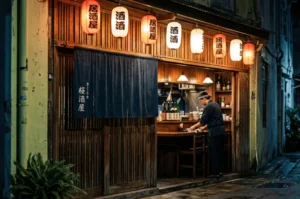
I almost didn’t see the entrance the first time. Tucked along Robertson Quay at 30 Robertson Quay, #01-15 Riverside View, Shunjuu Izakaya is a Japanese restaurant in Singapore serving an exciting menu of Japanese cuisine. It hides behind a curtain of charcoal smoke and warm lantern light. Then I caught the smell of grilling pork…
-
Beyond The Plate
Sarah Teh | June 11, 2026
Capturing the People Who Bring Midnight Eats to Life The metallic snip of heavy scissors echoes down Jalan Besar long after the rest of the city has gone to sleep. Standing on the pavement at two in the morning, I adjust my camera settings to capture the harsh, fluorescent glow spilling out from Beach Road…
-
Wandering Through Hidden Corners of the World
Sarah Teh | June 11, 2026
Travel teaches you to notice what others overlook. The markets, the alleys, the quiet squares; these are the spaces where the rhythm of a place is unguarded, intimate, and fleeting. Walking along winding streets in a small European town, or tracing narrow lanes in an Asian city just as the sun dips below the rooftops,…
-
Singapore Izakaya Chefs: The Masters Keeping Our Late-Night Kitchens Alive
Sarah Teh | June 10, 2026
If you want to understand Singapore izakaya chefs, or photograph them honestly, you have to stop seeing these places as only casual drinking spots. This guide walks through how to observe, respect, and capture the people who keep Singapore’s izakaya scene alive long after the office towers go dark. Discover the smoky rhythm and masterful…
-
Capturing Singapore’s Nocturnal Soul
Sarah Teh | June 5, 2026
The heavy, damp air of Geylang Road clings to your skin at three in the morning. Long after the daily rush of commuters has faded, a different pulse awakens. Walking the neon-lit pavements with my camera, I look for the quiet pockets of life that only emerge in the dark. The city strips away its…
-
In the Footsteps of the Midnight Photographer
Sarah Teh | June 4, 2026
The city breathes differently after midnight. The relentless hum of daytime traffic fades, leaving behind a thick, humid silence punctured only by the hiss of hot oil and the clatter of ceramic bowls. Walking through the quiet alleys of Jalan Besar, I carry my camera not to document daylight perfection, but to capture the weight…
-
The Public Izakaya: Behind the Lens at a Singapore Izakaya Experience
Sarah Teh | June 3, 2026
I walked into The Public Izakaya 2.5 Nitengo on a Friday around 10:15 PM, right as the after-work drinks crowd in Tanjong Pagar was hitting its peak. Walking into a packed room with a proper camera always gives me a wave of anxiety. I worry about looking intrusive or annoying the diners trying to settle…
-
The Calm Before The Crowd
Sarah Teh | May 29, 2026
The light shifts abruptly in Singapore around six in the evening. The harsh afternoon sun softens into a bruised purple, and the ambient noise of the city begins to change. Standing at the edge of Old Airport Road Food Centre, I watch the heavy metal shutters roll up one by one. This is my favorite…
-
Izakayas Singapore: How to Capture Izakaya Food Under Warm, Low Light
Sarah Teh | May 27, 2026
I was sitting at a cramped counter in Cuppage Plaza, surrounded by the incredible smell of binchotan charcoal and roasting chicken fat. The mood was perfect. The dim tungsten lamps cast a beautiful, moody glow over the dark wooden planks of the counter, setting the quintessential izakaya in Singapore ambiance. But when I looked at…
-
Flavors in the Dark
Sarah Teh | May 22, 2026
How Low Light Changes the Way We See Food The streetlamps along Jalan Besar hum with a faint, electric buzz at two in the morning. At this hour, the city strips away its gloss. The flat, forgiving daylight is gone. What remains are isolated pools of amber and the stark white glow of fluorescent tubes….