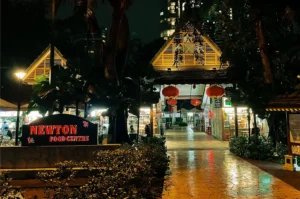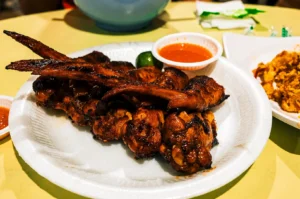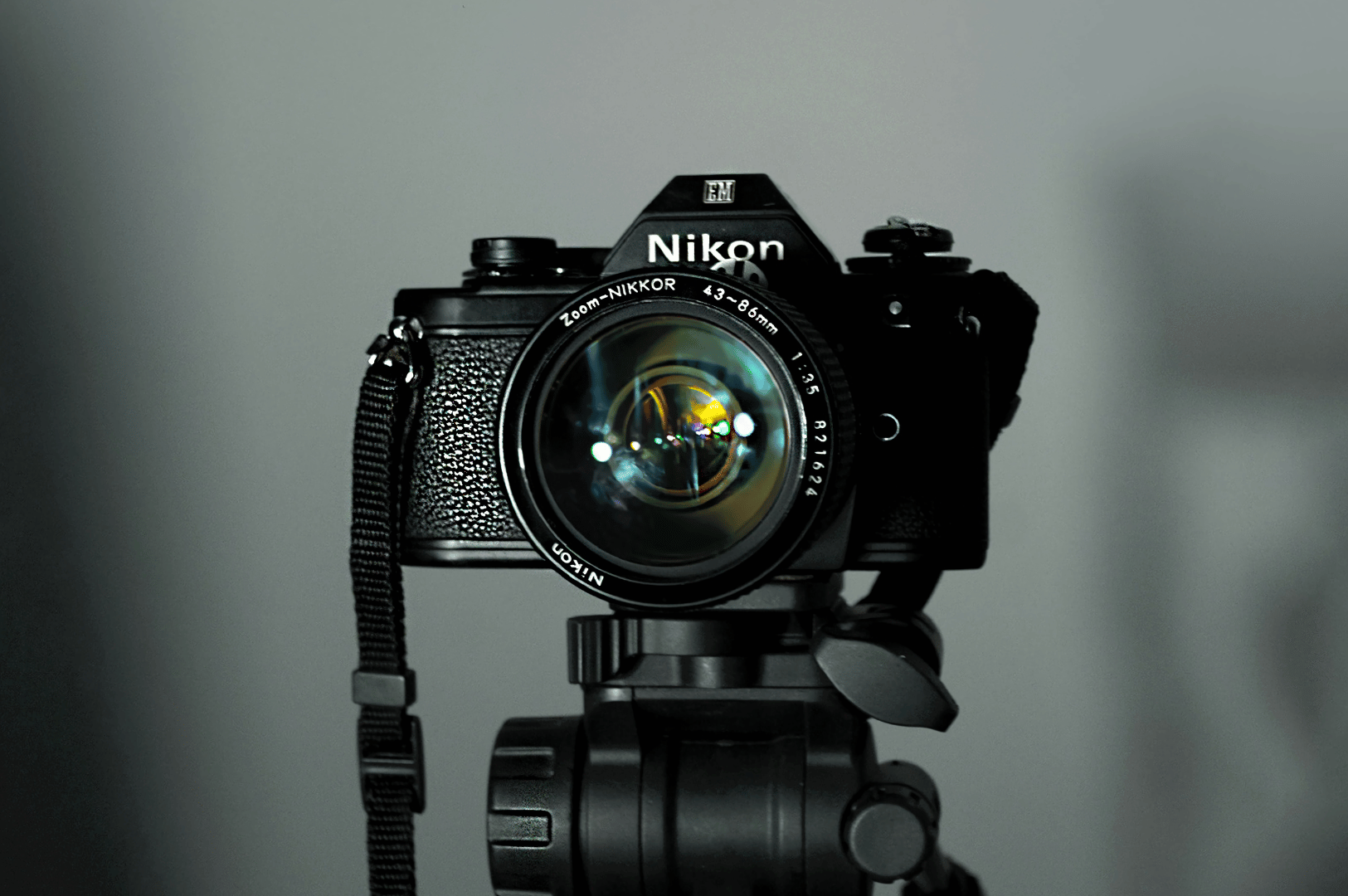
In the world of food photography, light is our most crucial ingredient. Just as a chef carefully selects spices to enhance a dish, photographers must master light to bring culinary creations to life. My journey as a midnight food photographer has taught me that different lighting conditions don't just change how we shoot—they transform what we see and how we tell stories through our images.
While my lens typically captures the mysterious dance of shadows in midnight culinary escapades, the daylight reveals an entirely different kind of beauty in Singapore's food scene. This article explores how nocturnal and daytime food photography complement each other, creating a complete toolkit for food photographers working in any condition.
The Dance of Light: Golden Hour vs. Midnight Magic
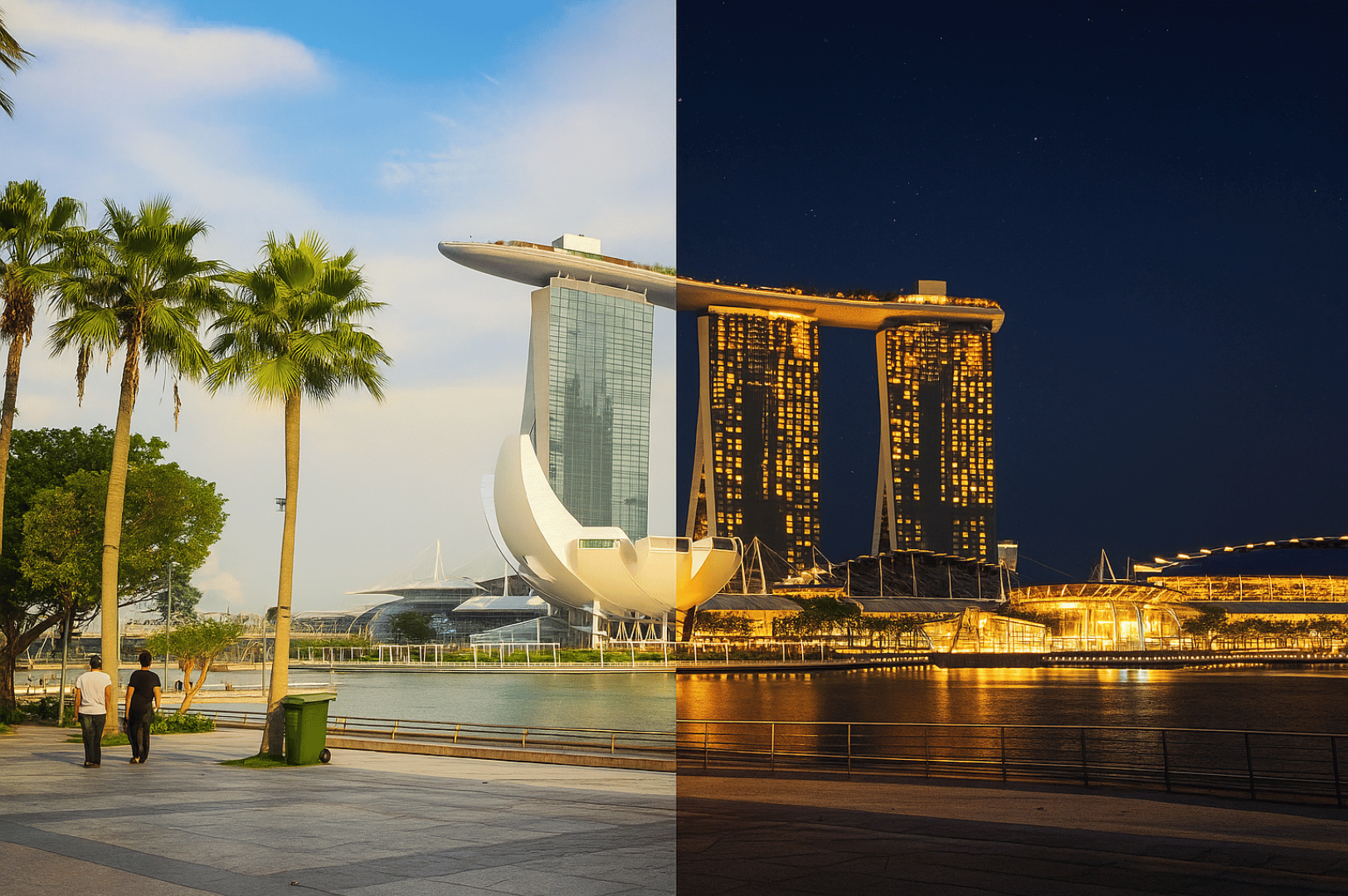
The golden hour—that magical time shortly after sunrise or before sunset—bathes food in warm, directional light that adds dimension and enhances natural colors. As explored in golden hour food photography tips, this natural light creates a "glossy glow" that makes dishes like laksa shimmer with appetizing vitality.
In contrast, midnight photography embraces the dramatic interplay between light and shadow. After dark, we aren't capturing reality as much as crafting it. The absence of natural light gives us complete control, allowing us to sculpt shadows that create mystery and intimacy around food. This controlled darkness can transform an ordinary hawker stall into a stage where culinary stories unfold in cinematic fashion.
The fundamental difference isn't just technical—it's philosophical. Golden hour photography celebrates the natural beauty of food, while midnight photography reveals its hidden character and secrets.
Equipment Essentials for All Light Conditions
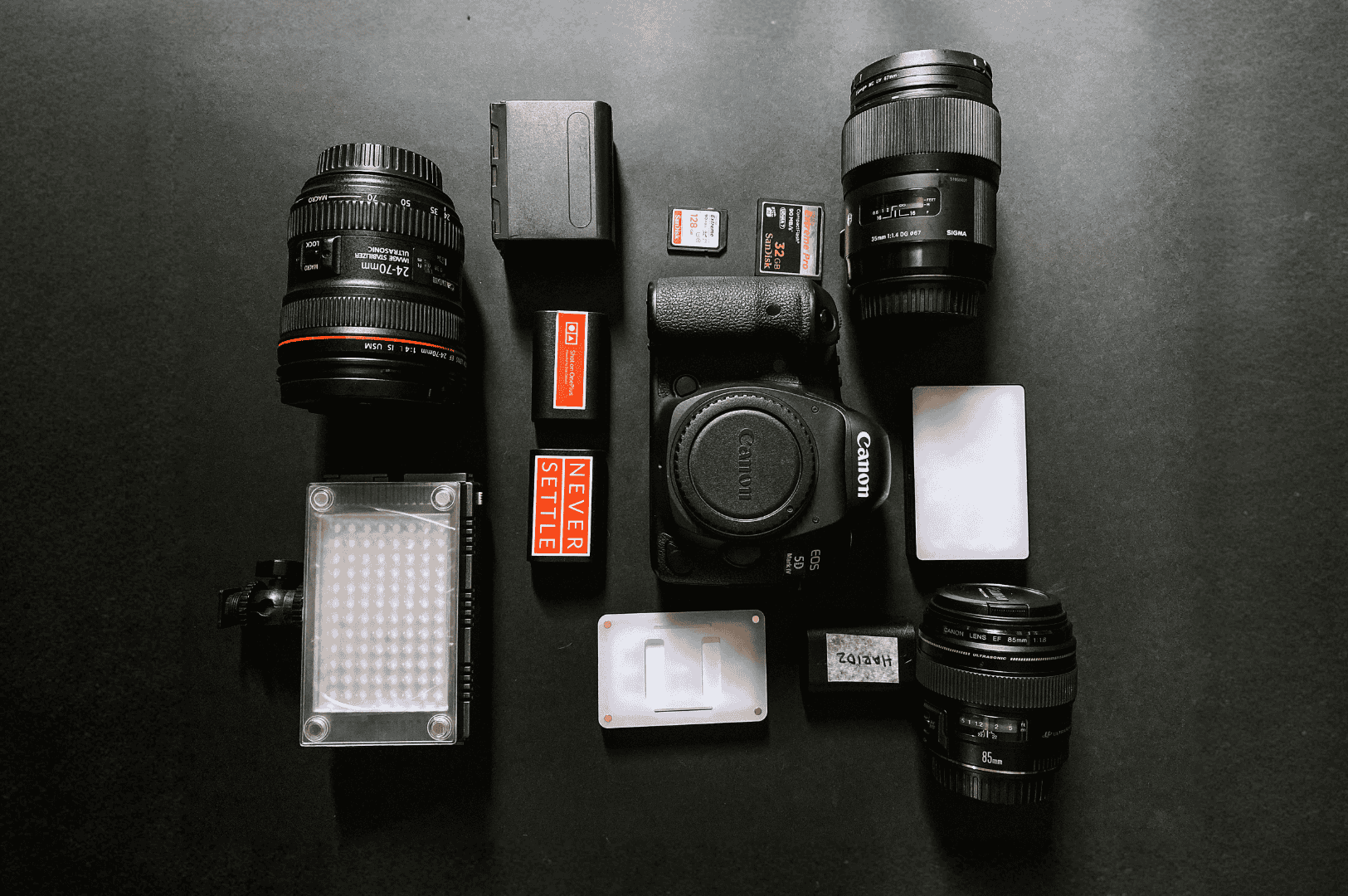
Successfully shooting in both worlds requires a versatile kit:
Daytime Essentials:
- A reflector or diffuser to manage natural light
- Portable bounce cards to fill shadows
- Tripod for stability in lower light conditions
- Circular polarizer to manage reflections on broth or sauces
Midnight Must-Haves:
- Small, portable LED panels with adjustable color temperature
- Light modifiers (softboxes, grids, barn doors)
- Black cards or flags to create negative fill
- Light stands with clamps for flexible positioning
The crossover item? A good tripod serves both worlds, enabling longer exposures during golden hour and providing stability for precise lighting setups at night.
Natural Light Mastery: Lessons from the Golden Hour
A natural light techniques focus on positioning and enhancement rather than creation. Key approaches include:
- Backlighting: Positioning food with light behind it creates a beautiful glow through translucent elements like broths and sauces, making laksa noodles appear to radiate light.
- Side lighting: This approach highlights texture in noodles, creating natural shadows that define the bowl's contours and depth.
- Diffusion: Using sheer curtains or diffusion panels to soften harsh sunlight, creating gentle gradients instead of harsh highlights.
The beauty of golden hour photography lies in its ability to reveal food's natural appeal with minimal intervention. As noted in this natural light food styling article, even settings like aperture (f/2.8 to f/5.6) are chosen to create a shallow depth of field that spotlights the "warmth and gloss" of dishes like laksa.
After Dark: Creating Atmosphere with Artificial Light
Midnight food photography requires a different mindset: rather than working with available light, we must build our lighting environment from scratch. My approach includes:
- Main and accent lights: Using a primary light source to establish direction, then adding smaller lights to highlight specific elements like steam or garnishes.
- Practical light sources: Incorporating existing environmental light (street lamps, kitchen fixtures, candles) to create authentic atmosphere while supplementing with controlled lighting.
- Light painting techniques: Using long exposures and moving light sources to selectively illuminate parts of a dish.
- Dramatic shadows: Intentionally creating deep shadows that conceal parts of the scene, inviting viewers to use their imagination.
While daytime food photography often seeks to eliminate shadows, midnight photography embraces them as storytelling elements. This approach transforms a simple bowl of laksa into a mysterious encounter, highlighting the clandestine nature of late-night dining. For more practical techniques, see My Guide to Mastering Low-Light Food Photography.
Composition Strategies Across Light Spectrums
Different lighting conditions suggest different compositional approaches:
Golden Hour Composition:
- Wider angles that incorporate the environment and context
- Emphasis on natural colors and textures
- Clean, bright negative space
- Arrangements that showcase ingredients distinctly
Midnight Composition:
- Tighter frames that create intimacy
- Selective focus drawing attention to specific elements
- Negative space used as shadow areas that frame the subject
- Compositions that suggest stories and secret encounters
The golden hour approach might showcase a laksa in its complete setting, while midnight photography might zoom in on steam rising from the bowl, captured against a dark background with just a hint of neon light providing color.
Post-Processing: Bridging Day and Night
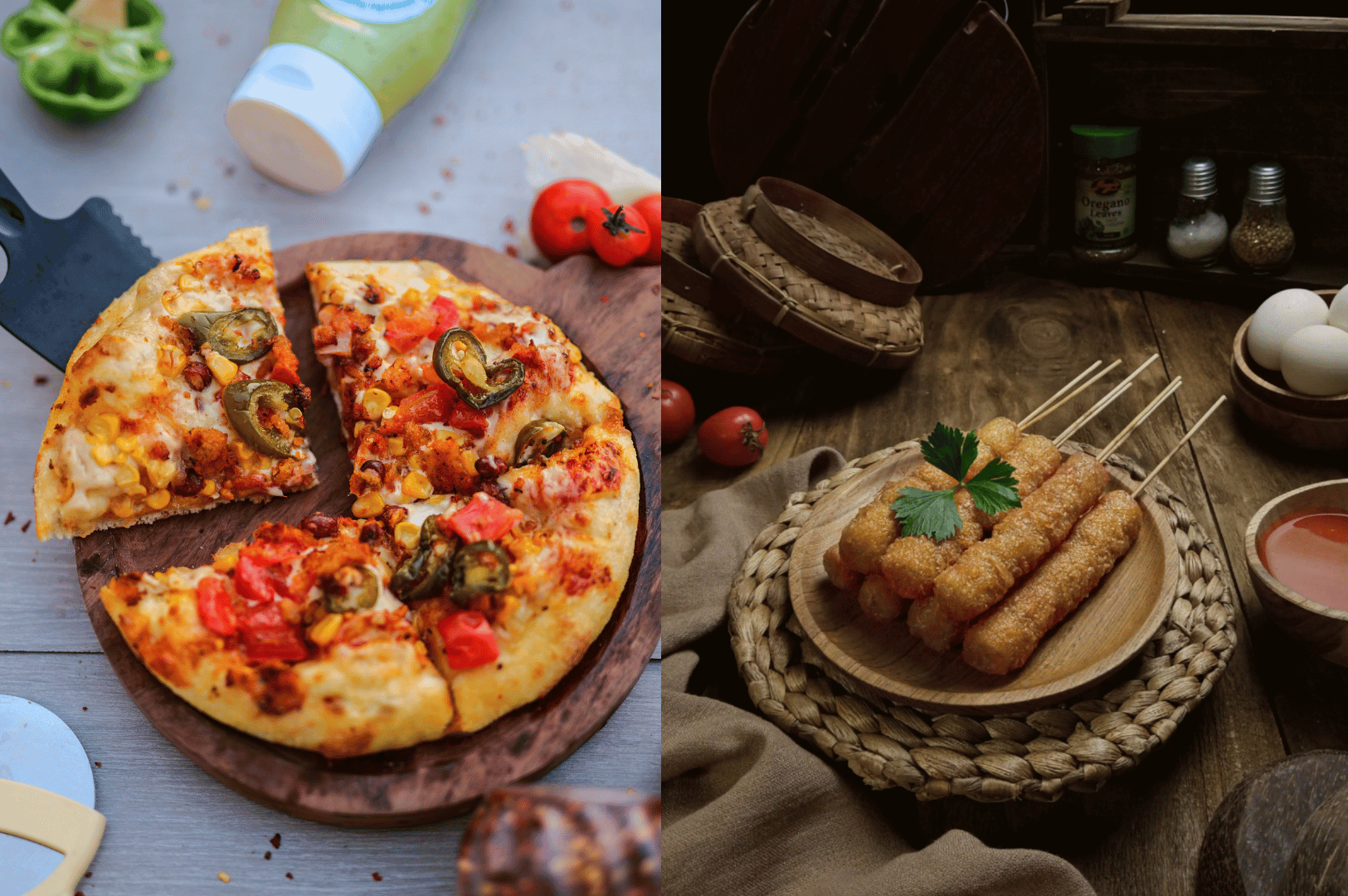
Editing strategies differ significantly between daylight and midnight photography:
Golden Hour Editing:
- Subtle enhancements to naturally occurring colors
- Careful balance of vibrance versus saturation
- Targeted clarity adjustments to enhance texture
- Preservation of natural color temperatures
Midnight Editing:
- Dramatic contrast adjustments
- Selective color grading to create mood
- Strategic noise reduction while preserving texture
- Creative use of vignetting to focus attention
While the golden hour food photography guide suggests using dodge and burn techniques to enhance specific highlights on noodles, midnight editing often requires more extensive shadow recovery and highlight management to balance the extreme contrasts inherent in artificial lighting.
Capturing Singapore Laksa Under Different Lights
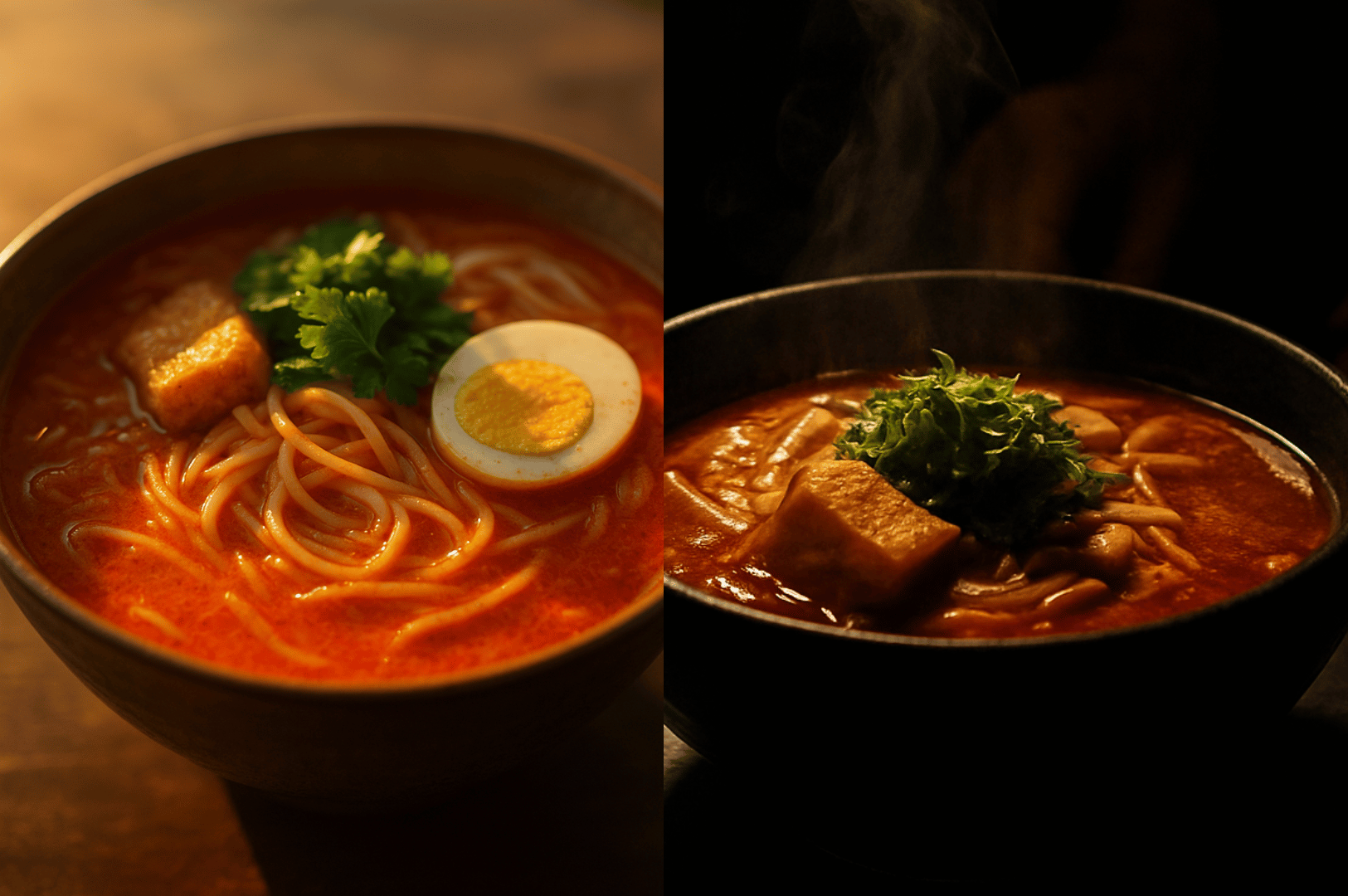
To illustrate these contrasting approaches, consider a bowl of Singapore laksa photographed in both conditions:
Golden Hour Laksa:
Shot near sunset, natural light flows through the spicy broth, creating a warm glow that highlights the red-orange colors. The noodles catch natural light, appearing glossy and inviting. Techniques like using a wide aperture create a shallow depth of field that spotlights the laksa while gently blurring the background.
Midnight Laksa:
Captured at a late-night hawker stall, a single controlled light source creates dramatic shadows across the bowl. Steam becomes more visible against the dark background, illuminated by a small accent light. The cook's hands might be partially visible in shadow, adding human context. The broth appears more mysterious, with just the surface catching light to reveal its rich color.
Both approaches tell different stories about the same dish—one celebrates its vibrant daytime appeal, while the other reveals its role in Singapore's nocturnal food culture.
Conclusion: Developing Your Complete Toolkit
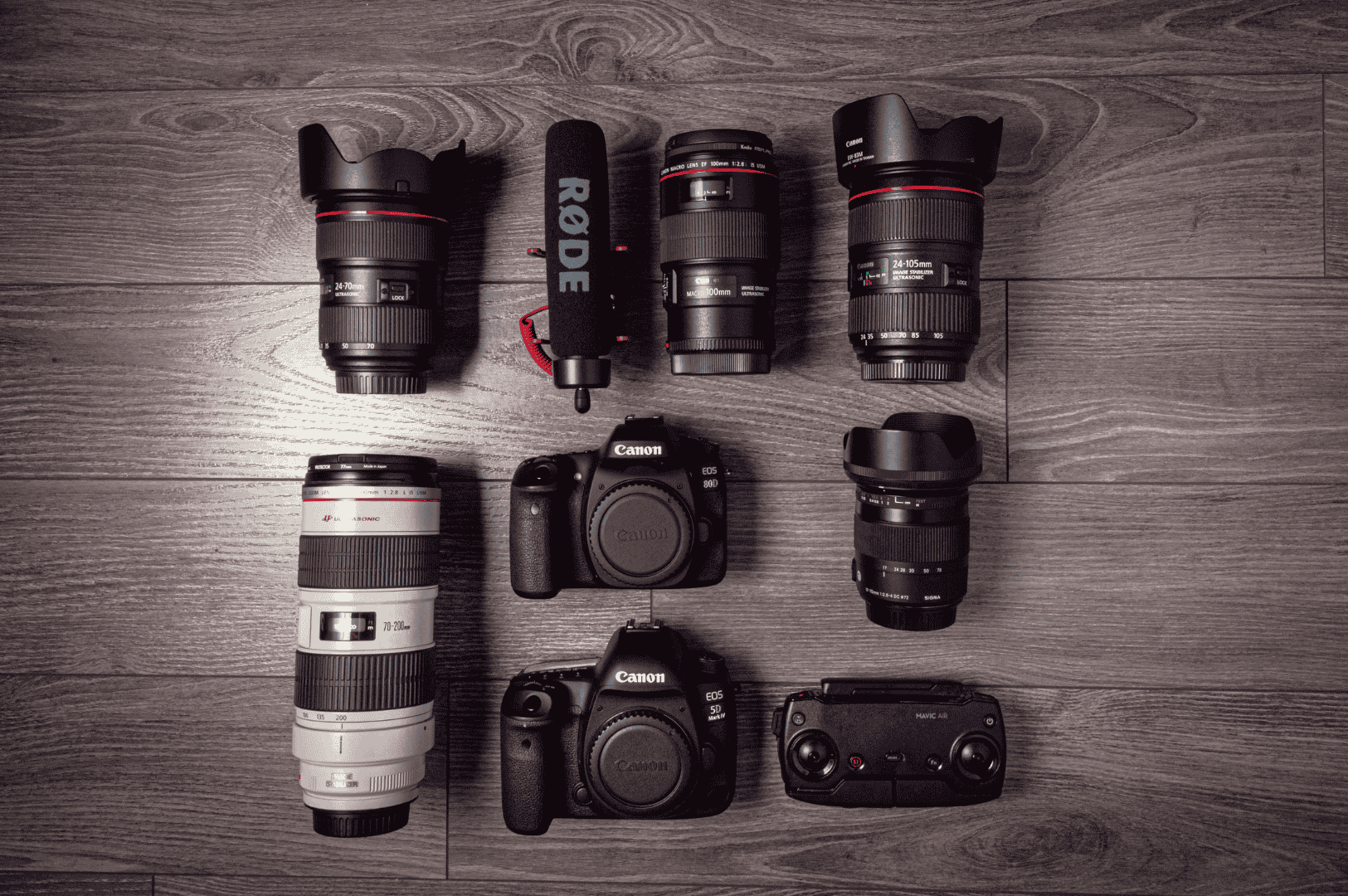
By mastering both natural light food styling techniques and artificial lighting approaches, food photographers develop versatility that serves them in any situation. Whether you're working with the golden light of dawn at a hawker center or the neon-kissed shadows of a midnight kitchen, understanding the principles of light allows you to adapt and create compelling food imagery.
The most complete food photographers don't choose between natural or artificial light—they learn to see the unique opportunities each presents and develop the technical skills to capture both worlds. As you practice, you'll find that techniques from each approach can cross-pollinate, creating a distinctive style that works across the full spectrum of lighting conditions.
Whether you're capturing the golden hour glow of a laksa's surface or the mysterious steam rising from a midnight bowl of noodles, remember that light is your storytelling medium—and the story of food unfolds across all 24 hours of the day.
For more inspiration and guides, visit Midnight Photographer.

The Last Sweet Bowl: Photographing 75 Ah Balling Peanut Soup After Dinner
Sarah Teh | October 22, 2026
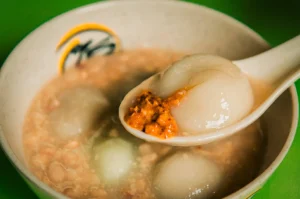
The steam went up before I was ready for it. I had my camera against my chest, waiting, and the vendor lifted the ladle without warning. Warm vapour curled off the surface of the peanut soup and caught the fluorescent tube overhead. I raised the lens and pressed the shutter, but the moment had already…
-
Best Chirashi Don Singapore: Fresh Sashimi Bowls from Daylight to City Lights
Sarah Teh | October 21, 2026
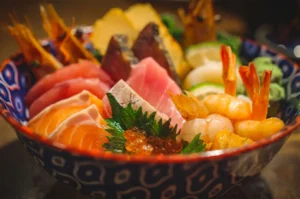
The city cools slowly after sunset. The neon signs warm up, and the crowds thin into something quieter. This is the hour when a bowl of fluffy Japanese rice topped with cold raw fish starts to make sense. Not the flash of a grill or the roar of a wok, but something still. Cubed sashimi…
-
The 3AM Bowl: Why Hock Heng Fish Soup Feels Different Before Sunrise
Sarah Teh | October 21, 2026
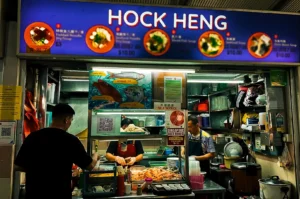
The steam rose before the light did. I stood with my camera lowered, watching a hand lift a ladle over the pot, waiting for the moment the vapour would catch the fluorescent tube overhead. It came in a slow curl, thin and pale, drifting up past the vendor’s wrist. Then the fish slices went in….
-
Prawns Beneath Fluorescent Light: A Late Shoot at ONE.85 Big Prawn Mee
Sarah Teh | October 15, 2026
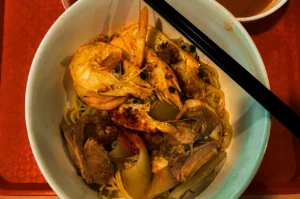
The broth was the reddest thing in the stall, and the light was doing its best to kill it. It was past eleven at ONE.85 Big Prawn Mee, and I had been standing at the counter for a while, camera down, watching the uncle work the pot. He lowered a metal basket of noodles into…
-
Discover the Flavors of Issho Izakaya: A Complete Review and Menu Guide
Sarah Teh | October 14, 2026
As the office towers empty, Issho Izakaya at Marina One fills with diners. Located at #01-14, 5 Straits View, West Tower, Singapore 018935, this contemporary Japanese izakaya offers a warm, inviting space at the heart of the CBD. Issho means “together“ reflecting its focus on shared plates, communal dining, and a cozy atmosphere with both…
-
A Bowl That Only Makes Sense at Night: Chai Chee Pork Porridge at Bedok 85
Sarah Teh | October 8, 2026
The steam was the first thing I lost. It was well past midnight at Bedok 85, and I had been standing at Chai Chee Pork Porridge for a while, camera down, watching the auntie work the pot. She lifted the ladle, let the porridge fall back in a slow white ribbon, then lifted it again….
-
Gochi-So Shokudo: Discover This Japanese Comfort Food Spot For Your Night Food Crawl
Sarah Teh | October 7, 2026
Comfort food rarely announces itself. It waits in a mall corridor, somewhere between a shoe shop and an escalator, holding the smell of grilled pork and warm rice until you slow down enough to notice. That is where you find Gochi-So Shokudo ご, also known as ご ち 惣 食堂. Not a place chasing attention….
-
Oil, Oyster and Broken Light: Photographing Bedok North Fried Oyster at 1am
Sarah Teh | October 1, 2026
The first thing I noticed was the light. It was not the kind of light a photographer usually looks for. The fluorescent tubes above the stalls at 85 Fengshan Centre cast a pale, uneven glow across the tables, flattening some colours while exaggerating others. But at 1am, standing in front of the fried oyster stall…
-
When the City Goes Quiet, XO Minced Meat Noodles Begin
Sarah Teh | September 30, 2026
The last bus has gone. Newton Food Centre keeps a few lights on. I walk in past shuttered stalls, chairs stacked, floors still wet from a mop. Then I hear it: the scrape of a ladle, the low hiss of a pot. At 500 Clemenceau Ave N, #01-10, one stall is awake. XO Minced Meat…
-
Fire, Lime and Chicken Wings: A Night with Sin Bedok North BBQ
Sarah Teh | September 24, 2026
The wings went on before I found my angle. It was close to midnight at Bedok North, and I had been standing at Sin Bedok North BBQ for a while, camera down, watching the wings land on the grate in a neat row. The uncle laid them out without looking, the way you do a…