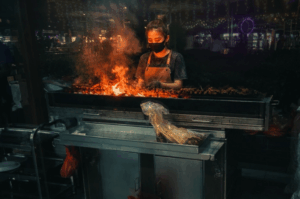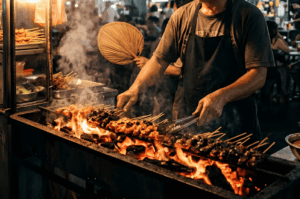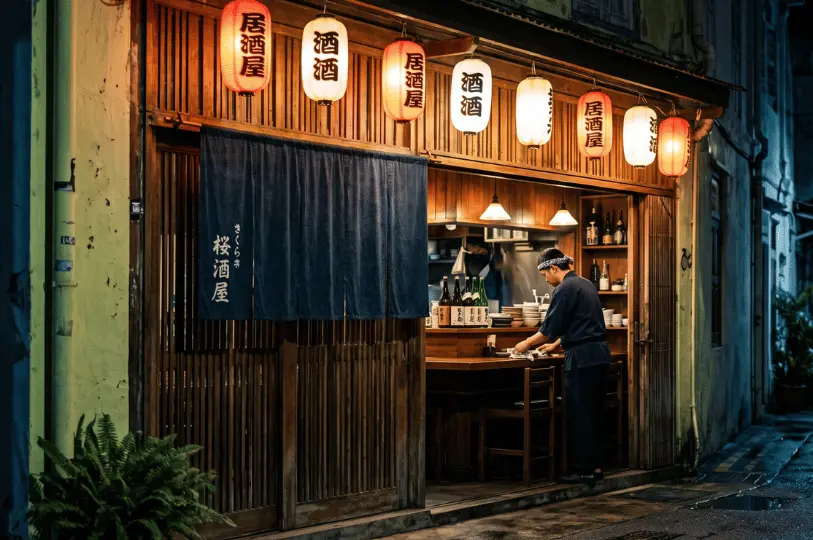
If you want to understand Singapore izakaya chefs, or photograph them honestly, you have to stop seeing these places as only casual drinking spots. This guide walks through how to observe, respect, and capture the people who keep Singapore’s izakaya scene alive long after the office towers go dark.
Discover the smoky rhythm and masterful craft behind Singapore’s late-night izakayas in this immersive photography journey on Midnight Photographer.
Why Craft Is Easy to Miss in Singapore’s Izakaya Scene
Here’s the misconception I held for far too long: that izakaya food is simple bar food. Skewers, fried bites, a few drinks. How hard could it be?
Very hard, it turns out. Watch a yakitori chef for twenty minutes and you’ll see constant heat management, precise timing, and a kind of muscle memory that takes years to build. The grilled chicken comes off the charcoal at exactly the right second. The salt goes on without a glance. The tare gets brushed in a single confident stroke.
Traditional izakaya cuisine often looks casual from the table, but behind the counter, every dish depends on repetition, timing, and control. Whether it is sashimi, gyoza, miso soup, buta kakuni, jaga mentaiko, or a simple skewer of chicken, the best Japanese izakayas know how to make the work feel effortless.
Insider knowledge: The strongest photo usually happens before the dish reaches your table. The flare of binchotan, the skewer mid-turn, the wipe of the counter between orders. Train yourself to watch the process, not the plate.
Why the Counter Matters at Public Izakaya and Other Izakayas in Singapore
I’ve sat at regular tables and tried to shoot the open kitchen from across a noisy room. It almost never works. The counter is where you see hands, fire, plating, and the quiet choreography between cooks. It’s also where you can have a short, respectful exchange with the person doing the work.
When you reserve at places like The Public Izakaya in Tanjong Pagar or Shunjuu Izakaya in Robertson Quay, ask specifically for bar or counter seating. At a premium fire-led restaurant like Firebird by Suetomi at Mondrian Singapore Duxton, the counter is the experience, built around a wood-fire omakase where you watch every course come together.
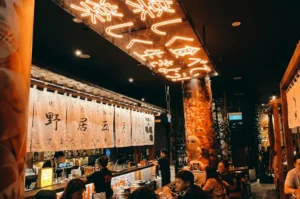
This is where Japanese cuisine becomes visual. A chef reaches for fresh seafood. A grill flares. A sake bottle tilts. Diners lean in over small plates, after work drinks, and the familiar good vibes that make many izakayas feel easy to return to.
Takeaway: Counter seats turn a dinner into a front-row view of the craft.
How to Report and Photograph This Story in Izakaya Singapore
Over a lot of trial and error, I’ve settled into a process that respects the room and still gets me the images I want. Here’s how I’d approach a night at one of the best izakayas in Singapore.
Step 1: Choose the Best Japanese Izakayas With Visible Craft
Prioritise open counters, charcoal grills, sake bars, and kitchens with movement you can actually see. For this kind of izakaya Singapore story, the chef should be part of the experience, not hidden completely behind a wall.
Here are the best Japanese izakayas I’d consider shooting from:
The Public Izakaya, Tanjong Pagar
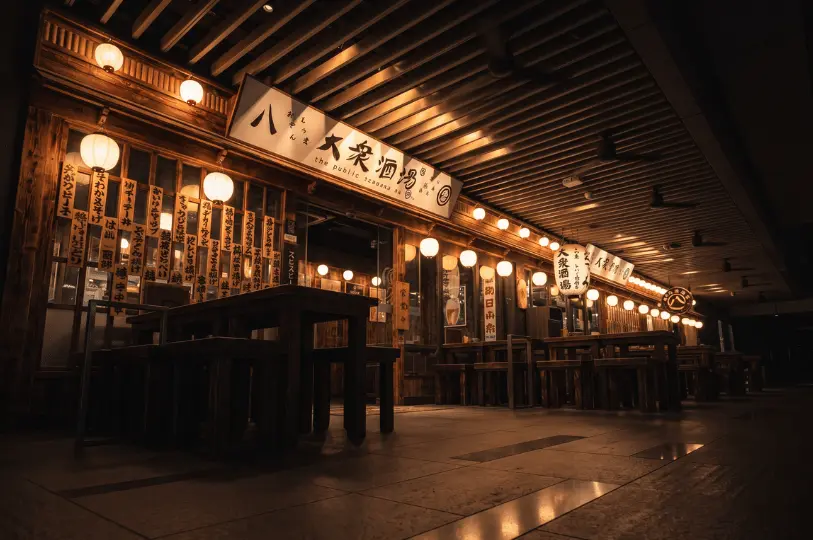
The Public Izakaya is a large after-work ecosystem with Japanese chefs, strong crowd energy, and real scale. It is the kind of place where diners come for work drinks, grilled skewers, sushi, sake, and all the izakaya favourites, while the kitchen keeps moving behind the warmth of the room.
Shunjuu Izakaya, Robertson Quay
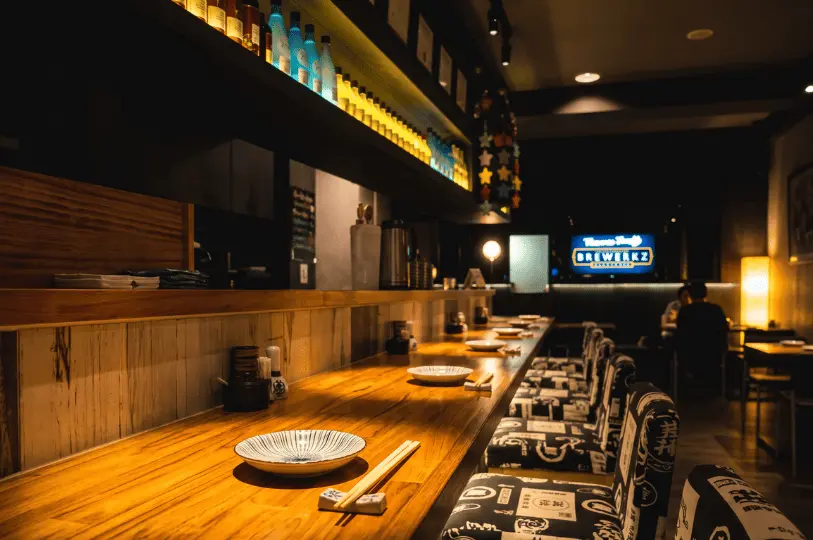
Shunjuu Izakaya is all charcoal, sake, and grill discipline by the river. It is especially useful for photographing yakitori, skewers, fresh seasonal produce, and the smoky rhythm of a friendly traditional izakaya.
Toku Nori, Telok Ayer
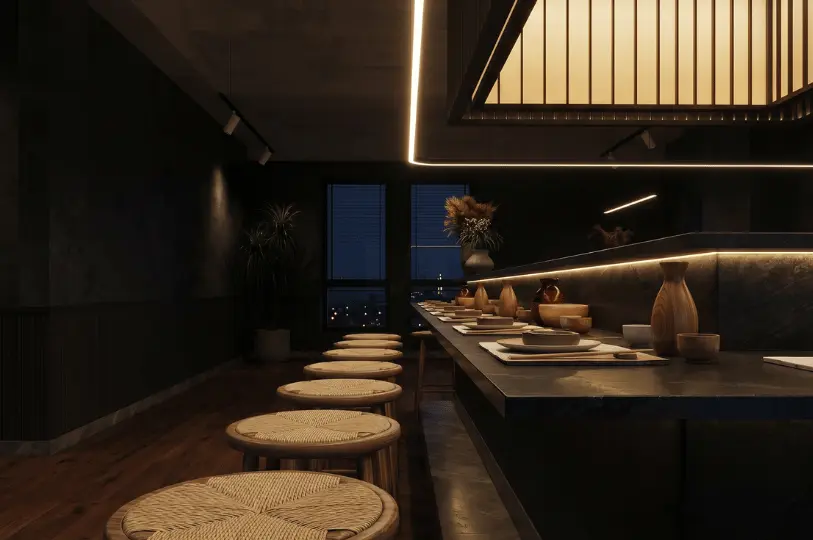
Toku Nori is useful if you want to explore a more modern side of izakaya-style dining. Its seared foie gras handroll, fresh seafood, scallops, salmon, bara chirashi, aburi wagyu, and handroll-focused menu show how authentic izakaya fare can sit beside newer expressions of Japanese cuisine.
Barrel Story, Collyer Quayt
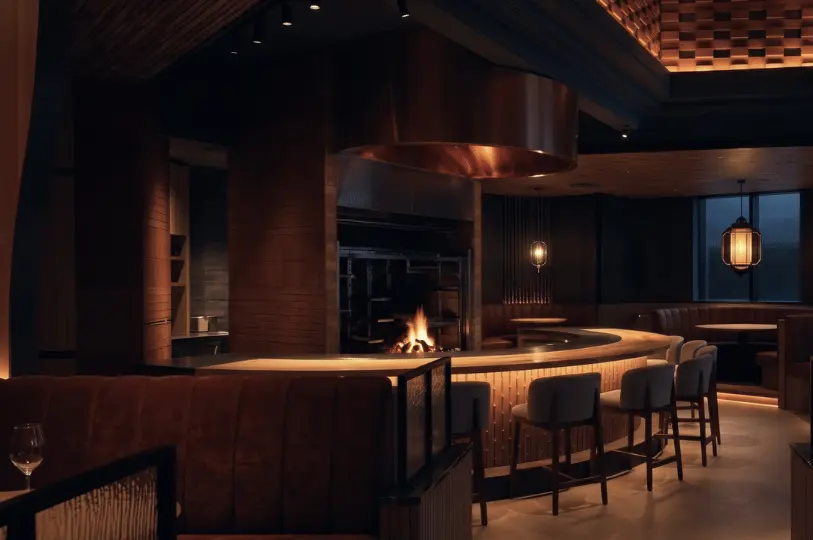
visual mood, combining smoky grilled dishes, cocktails, sake, shochu, wines, and a strong bar atmosphere. In a heritage building, it can be a perfect spot for a special occasion, after work drinks, or a casual meal with friends.
Step 2: Arrive Before the Rush
Reach the restaurant around opening or early dinner if they allow it. This is when you catch mise en place, clean counters, quiet skewers, the first drink orders, and the kitchen before the room fills.
It is also the best time to study the menu without rushing. Many izakayas in Singapore offer an extensive menu, from appetisers and sashimi to donburi, noodles, oden, seafood, grilled chicken, gyoza, sushi, and rice dishes. Knowing what is coming helps you prepare for the moments worth photographing.
Step 3: Stay Into the Later Rhythm of Many Izakayas
This is an after-hours story, so don’t leave after the first dish. The mood shifts once the drinks land, the grill fills up, and the kitchen starts moving in a loop. A lunch visit can show you the food. A late dinner shows you the atmosphere. But the later hours show you the pressure, repetition, and charm that define Singapore’s izakaya scene.
Step 4: Photograph Hands Before Faces in Japanese Izakayas
Hands are less intrusive and often far more expressive. A hand brushing tare, tilting a sake bottle, shaping sushi, lifting scallops, or lining up skewers tells the whole story without putting anyone on the spot.
This matters especially when photographing Singapore izakaya chefs during service. They are not performers. They are working. The camera should respect that.
Step 5: Capture the Transitions Behind Good Food
Shoot the ordering, grilling, plating, handover across the counter, wiping, pouring, and closing gestures. These small movements are the life of the place.
A diner sees a plate of yakitori. The camera can show the chef’s hand turning the chicken over the grill. A diner sees sashimi or fresh seafood at the table. The camera can show the knife, the towel, the tray, and the silence before the dish is served.
Step 6: Take Notes on Opening Hours, Menu Details, and Atmosphere
Jot down sounds, smells, pacing, opening hours, menu details, and how the light behaves. I do this on my phone between dishes. It’s the difference between writing that feels observed and writing that feels generic.
Note the rhythm of the restaurant. Is the room casual or polished? Are diners there for work drinks, a full meal, a special occasion, or a quick drink before heading home? Is the charm in the sake bar, the smoky grill, the chef’s quiet focus, or the way dishes keep landing at the table without fuss?
Pro tip: Watch for patterns. Skewers rotate, orders repeat, sake pours happen at the bar every few minutes. Once you learn the loop, you stop missing moments because you know they’re coming back.
Hands, Fire, Smoke: What to Photograph
Start with the chef’s hands over the grill, smoke crossing warm light. Then move closer: salt, tare brush, knife, skewers, sake glass, folded towel, order slips, a bowl of miso soup, or the edge of a donburi waiting to be served.
Pull back when the room gives you something larger. Counter stools, bottle shelves, narrow kitchens, lantern light, and diners settling into dinner all help place the food within the night. For action, watch for skewers turning, grilled chicken coming off the heat, sashimi being plated, cocktails being poured, sake being served, and food being passed across the counter.
The smoke matters more than you’d think. At Shunjuu Izakaya, the grill carries the mood. At places like Public Izakaya, the movement of the room becomes part of the image.
How the Best Izakayas Keep Their Doors Open After Dark
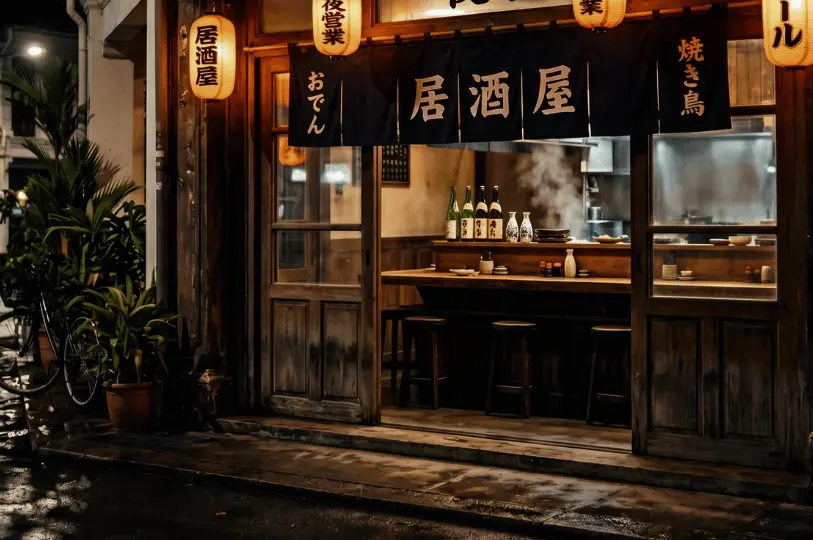
What keeps Singapore’s izakaya scene alive after dark is not only the good food, the sake, or the familiar comfort of grilled skewers, gyoza, sashimi, yakitori, and other izakaya favourites. It is the quiet discipline of Singapore izakaya chefs working behind the counter, sending out small plates, fresh seafood, grilled chicken, and rice dishes that make each meal feel casual, warm, and carefully held together.
In many Japanese izakayas, the charm sits somewhere between the menu and the people who make it move. Whether diners come for after work drinks, a relaxed dinner with friends, or a special occasion built around authentic izakaya fare, the best izakayas in Singapore remind us that traditional izakaya cuisine is carried by hands, heat, timing, and trust. Long after the first drink is poured, the chef remains at the centre of the room, keeping the smoke, rhythm, and appetite alive.
If you’re looking to taste and see more Japanese cuisine in Singapore, read Best Japanese Curry Singapore: Late-Night Comfort Food Rituals.

Capturing Singapore’s Nocturnal Soul
Sarah Teh | June 5, 2026
The heavy, damp air of Geylang Road clings to your skin at three in the morning. Long after the daily rush of commuters has faded, a different pulse awakens. Walking the neon-lit pavements with my camera, I look for the quiet pockets of life that only emerge in the dark. The city strips away its…
-
In the Footsteps of the Midnight Photographer
Sarah Teh | June 4, 2026
The city breathes differently after midnight. The relentless hum of daytime traffic fades, leaving behind a thick, humid silence punctured only by the hiss of hot oil and the clatter of ceramic bowls. Walking through the quiet alleys of Jalan Besar, I carry my camera not to document daylight perfection, but to capture the weight…
-
The Public Izakaya: Behind the Lens at a Singapore Izakaya Experience
Sarah Teh | June 3, 2026
I walked into The Public Izakaya 2.5 Nitengo on a Friday around 10:15 PM, right as the after-work drinks crowd in Tanjong Pagar was hitting its peak. Walking into a packed room with a proper camera always gives me a wave of anxiety. I worry about looking intrusive or annoying the diners trying to settle…
-
The Calm Before The Crowd
Sarah Teh | May 29, 2026
The light shifts abruptly in Singapore around six in the evening. The harsh afternoon sun softens into a bruised purple, and the ambient noise of the city begins to change. Standing at the edge of Old Airport Road Food Centre, I watch the heavy metal shutters roll up one by one. This is my favorite…
-
Izakayas Singapore: How to Capture Izakaya Food Under Warm, Low Light
Sarah Teh | May 27, 2026
I was sitting at a cramped counter in Cuppage Plaza, surrounded by the incredible smell of binchotan charcoal and roasting chicken fat. The mood was perfect. The dim tungsten lamps cast a beautiful, moody glow over the dark wooden planks of the counter, setting the quintessential izakaya in Singapore ambiance. But when I looked at…
-
Flavors in the Dark
Sarah Teh | May 22, 2026
How Low Light Changes the Way We See Food The streetlamps along Jalan Besar hum with a faint, electric buzz at two in the morning. At this hour, the city strips away its gloss. The flat, forgiving daylight is gone. What remains are isolated pools of amber and the stark white glow of fluorescent tubes….
-
Through the Lens of Curiosity
Sarah Teh | May 21, 2026
Exploring Hidden Culinary Gems at Midnight The world at midnight is different. The hum of the daytime rush fades away, and the streets become quieter, yet more alive with hidden stories. For me, the best stories are told after dark, when the city’s food scene reveals its secret treasures. As a food photographer, I’ve found…
-
Late-Night Izakayas in Singapore That Stay Open Past 1AM
Sarah Teh | May 20, 2026
When I find the late night izakayas Singapore offers, it’s not about extending a party. It’s about finding a space that holds this transition. These narrow, dimly lit rooms become my temporary sanctuary. They are places where the steady rhythm of charcoal grilling, the aroma of grilled meat, and the pour of cold sake, shochu,…
-
Sizzle and Steam
Sarah Teh | May 15, 2026
The Intimacy of Street Food Photography at Night The air at Newton Food Centre shifts noticeably at 1 AM. The chaotic dinner rush fades, replaced by a thick, humid stillness broken only by the sharp hiss of garlic hitting hot oil. Standing just beyond the fluorescent glare of a corner stall, I watch a solitary…
-
The Art of Patience
Sarah Teh | May 14, 2026
Waiting for the Perfect Shot in Bustling Hawker Centres The vibrant hum of the hawker centres at night is a rhythm I’ve come to love. The sizzling of satay skewers on the grill, the rhythmic chop of vegetables for a fresh plate of char kway teow, and the sharp hiss of oil bubbling in a…