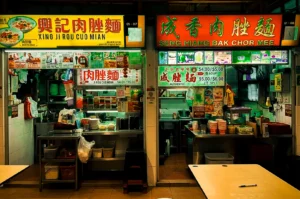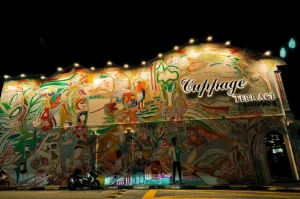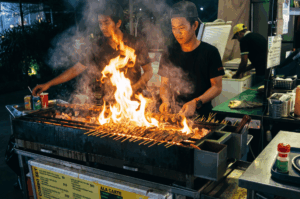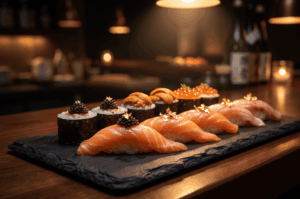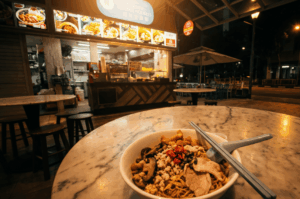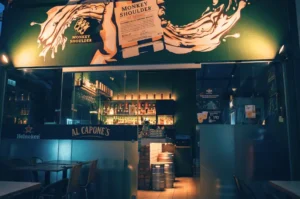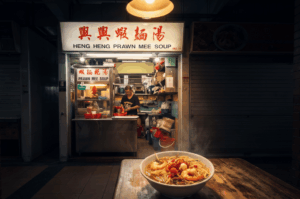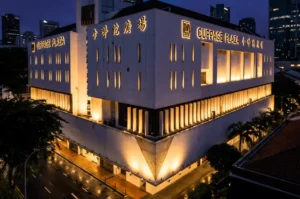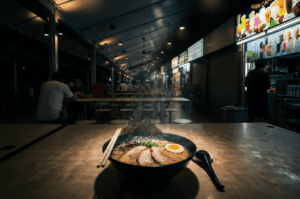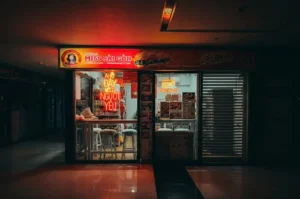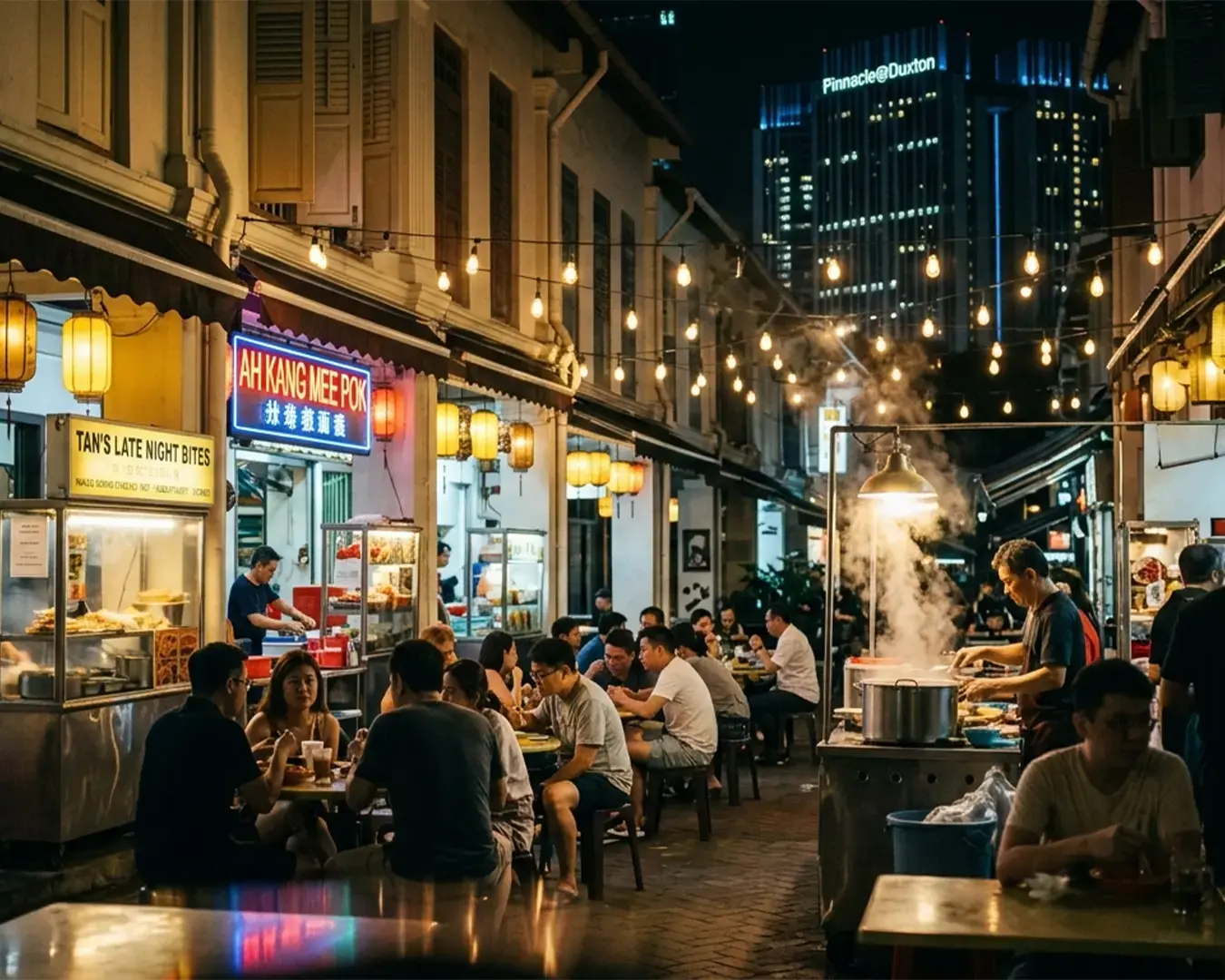
It’s close to midnight when the CBD quiets and Tanjong Pagar’s corridor lights ignite with warmth. The late MRT ride is the threshold to a world where tanjong pagar dining scenes unfold for my camera—tanjong pagar food under neon and rain-polished streets, kitchens humming long past regular opening hours. The tanjong pagar area stands out as a vibrant food destination, known for its diverse eateries and lively late-night atmosphere.
I arrive as the last fried rice leaves a food centre kitchen, glass doors fog with condensation, and the day’s bustle fades. My intent: to track the flicker of flame, capture steam drifting off a bowl, and document what remains after the crowds. This is Tanjong Pagar’s food story—told in glances, gestures, and the city’s luminous afterhours.
Introduction to Night Dining Photography
Night dining photography in Tanjong Pagar transcends mere documentation—it becomes a communion with the district’s luminous soul after twilight. Amber glows cascade onto rain-kissed pavements, while the gentle murmur of conversation drifts through Icon Village to eateries on Tanjong Pagar Road. Each restaurant and food stall emerges as a stage where light, shadow, and culinary heritage converge. Mastering this craft demands technical skill—embracing ambient light with wide-aperture lenses and steady composure—but also sensitivity to the essence within each space. Whether capturing steam rising from a bowl of noodles or the tranquility of late-evening coffee rituals, one must honor both atmosphere and fellow seekers of nourishment. Tanjong Pagar’s vibrant nocturnal energy and diverse culinary heritage offer endless inspiration for midnight photographer‘s chronicling the city’s after-hours culinary sanctuaries.
Tanjong Pagar Food Centre Map: Steam, Neon, and Hidden Kitchens
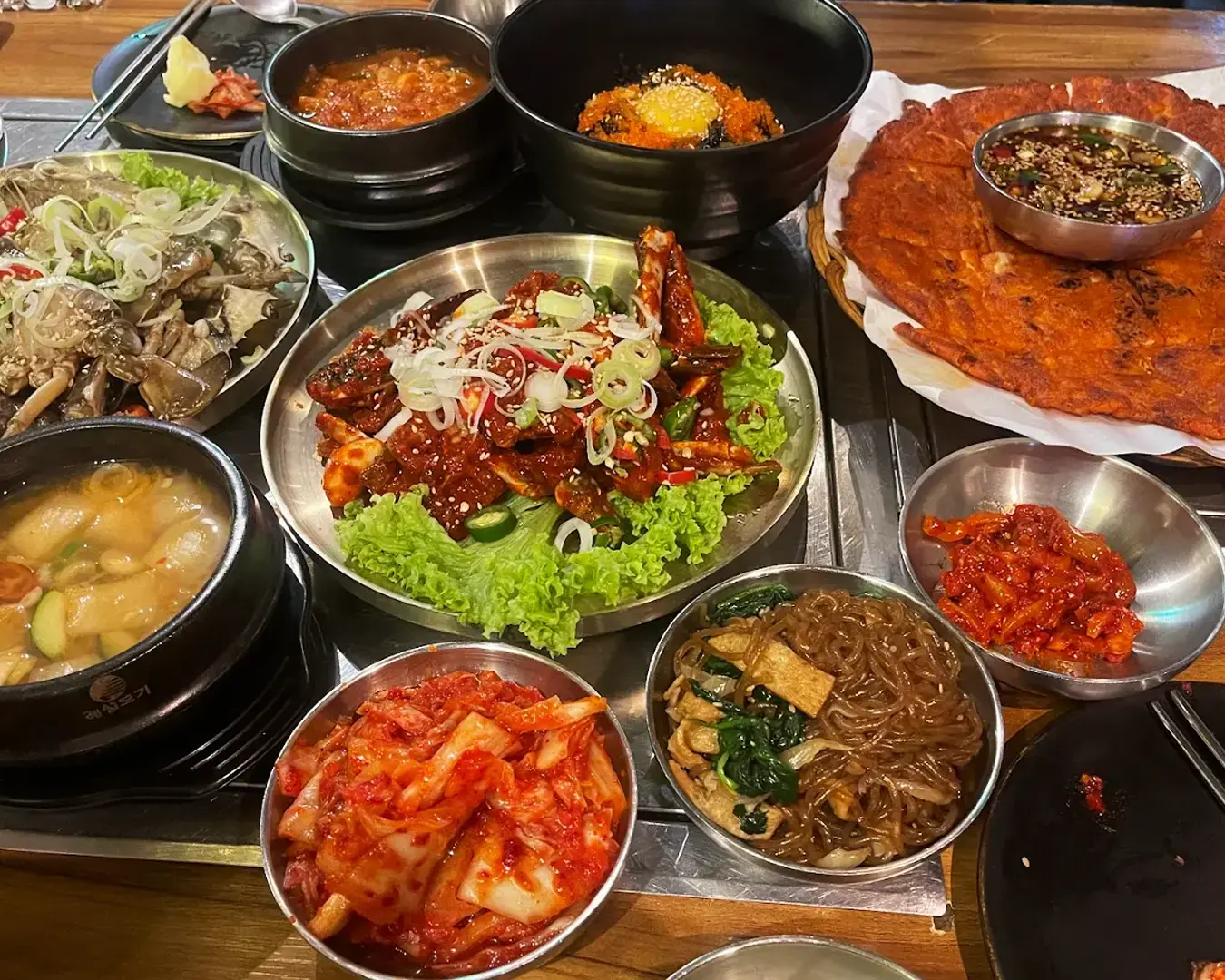
Every photo walk starts with a mental route. Stepping out of tanjong pagar mrt station, I weave through pagar food routes: the chopstick bustle at Tanjong Pagar Plaza Market, incense of knife cut noodles, and the glistened streets near guoco tower. Neon signage paints korean restaurant facades, and late-night hawker stalls, from prawn noodles to dumpling noodle, stay open for the patient. The area’s hawker centres are traditional food hubs offering diverse, budget-friendly dishes well into the night.
Culinary contrasts abound: the crunch of fried chicken from a packed korean food spot, bearded bella’s distinctive brunches, plates assembled by maguro brothers, the quiet clink at marmalade pantry, and aromatic pours at baristart coffee. Some cafes and specialty coffee spots are pricier, but deliver a premium experience. I slip by papi’s tacos, a must-visit for Mexican cuisine in Tanjong Pagar, known for authentic and diverse tacos, always seeking fleeting shots: a hand reaching for a taco, a spoon stirring robust broth, or reflections mirrored in rain-slick tile. For popular spots with long queues, arrive early or make reservations to avoid disappointment.
Every dish—be it rice bowl, taco, or a savory spread from a food centre—offers its own interplay: springy noodles glistening in light, hamburg steak keisuke sizzling on open flame, or late arrivals savoring free flow salad bar at an icon village hidden gem. Many eateries offer sharing plates, perfect for communal dining and sampling a variety of flavors with friends. Tanjong Pagar serves scenes worth capturing into the latest hours.
Popular Dining Spots in Tanjong Pagar
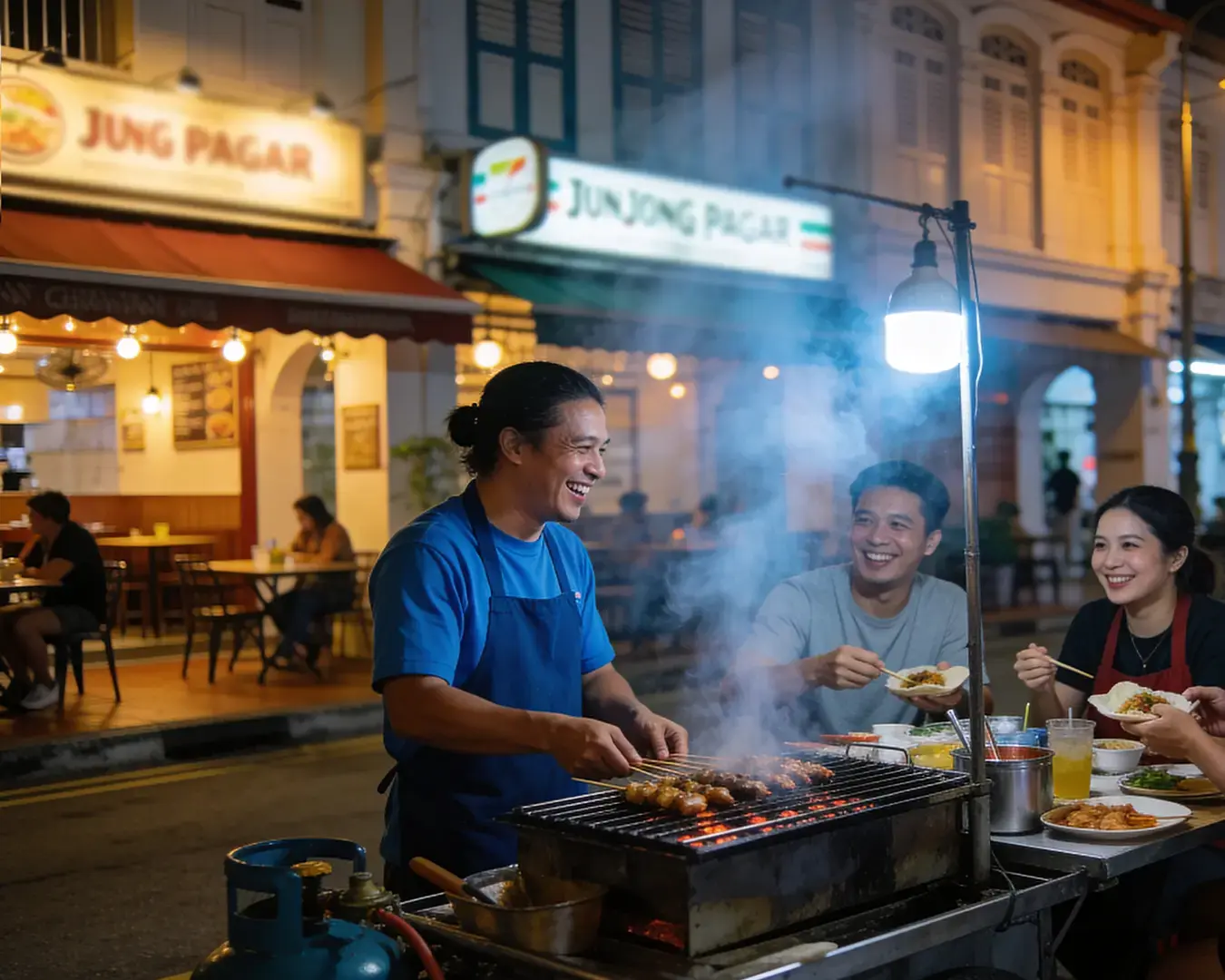
Tanjong Pagar offers a rich culinary tapestry where each meal is a celebration of flavor and craftsmanship. Korean cuisine shines at CHARIM Korean BBQ and Guiga Korean BBQ Restaurant, featuring slow-braised beef cheek, spicy grilled chicken, and kimchi pancake, alongside bubbling army stew. For authentic Korean classics, O.BBa Jjajang and Sin Manbok serve jjajangmyeon and bibimbap with generous hospitality.
Cafes like Baristart Coffee, Bearded Bella, and Nylon Coffee provide havens for artisanal coffee and matcha drinks such as strawberry matcha, perfect for quiet moments. The Marmalade Pantry delivers thoughtful dishes like Beef & Potatoes and No Avo Avo Toast for those seeking culinary distinction.
Tanjong Pagar’s fried chicken scene is notable, with Best Employee Fried Chicken and Papi’s Tacos offering refined, flavorful options. Iconic staples like prawn noodles at Tanjong Pagar Plaza Market and dumpling noodle bowls at International Plaza reflect generations of culinary heritage. Hamburg Steak Keisuke impresses with succulent steaks, free flow salad bar, and an egg buffet, while Ramen Keisuke Tori King is revered for its robust broth made from chicken bones, chicken feet, and Japanese seaweed.
From vibrant eateries in tanjong pagar plaza to intimate food centres, every meal invites savoring and appreciation, embodying the essence of tanjong pagar food culture.
Compact Kit for Night Shoots
Photographing Tanjong Pagar food, especially in crowded food centres or intimate japanese restaurants, demands a nimble kit. My choices are minimalist: a fast Sony, 35mm lens for wide contexts, 85mm for detail on rice bowls or fried rice closeups. No tripods—just a wrist strap and microfiber cloth to keep glass and glossy plates clean. I value speed and discretion, knowing the right shot often arrives between movements in a bustling korean restaurant.
High ISO—3200 for editorial style, 6400 for dramatic late-night pushes—keeps grain controlled. Shutter speeds of 1/125 freeze hands at a dumpling noodle station; 1/60 holds billowing steam, catching textures from slow braised beef cheek to spicy grilled chicken. No hard lights: true feel comes from working inside the environment and staying invisible as I frame a set meal or late bowl of pork ribs.
Nightlife in Focus: Steam, Hands, and Tabletop Stories
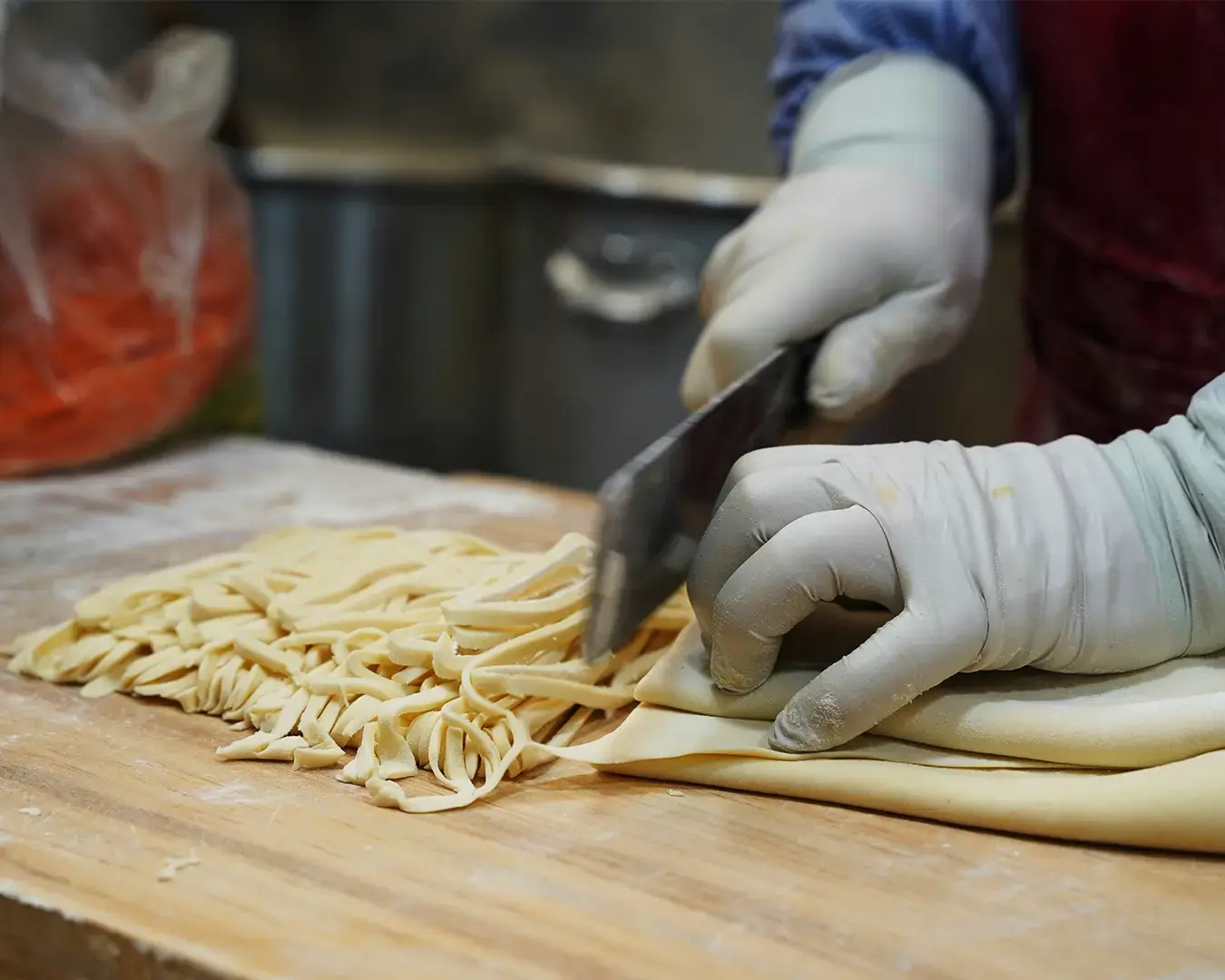
Tanjong Pagar’s night reveals itself through movement. Hands pull apart fried chicken, toss fried rice, or arrange pork loin beside japanese rice. At the egg buffet or tossing up chicken cutlet, each gesture is a visual anchor. A silky, custard-like onsen egg topping adds glossy allure to rice bowls and cutlets, enhancing texture and visual appeal. I shoot low—0° to 45°—for diner perspective, shifting overhead only when backgrounds are calm.
Shadow Play: Using Contrast for Dramatic Food Photography is key here. To reduce visual noise, trays and napkins become micro-backdrops. A pool of sauce, stray chicken bones, or shifting steam from chicken feet become centerpieces. For salmon pistachio rosti or bubbling army stew, backlight guarantees steam texture, while a sweet cream pour highlights desserts for dessert lovers.
Night color is complex, with tungsten lights, LEDs, and neon competing. White balance is set near 3800K, tint adjusted to keep vegetables, seafood, and beef rendang true-to-life. Magenta signage or green fluorescence are flagged with menus, not corrected with flash. Kimchi pancake or spicy food pops when natural color cues are respected.
Reflections, Rain, and Tabletop Mirrors
Rain transforms every glass door, window, or table into a creative tool. Shooting through glass catches layered stories: a group with papi’s tacos in foreground, neon reflections from icon village or a public izakaya beyond. Metering for highlights reveals sheen of chilli oil or reflection on glossy unagi don.
Shadows are lifted in post, not recovered from clipped highlights. Shine on springy noodles and spill from a cup of baristart coffee add atmospheric depth. Crowds thin after peak lunch hours at marmalade pantry or bearded bella, leaving reflective surfaces clean for late-night compositions. Plates of ang ku kueh and ikan bilis tell their own story in the tableau of leftovers.
Crowd Navigation and Human Element
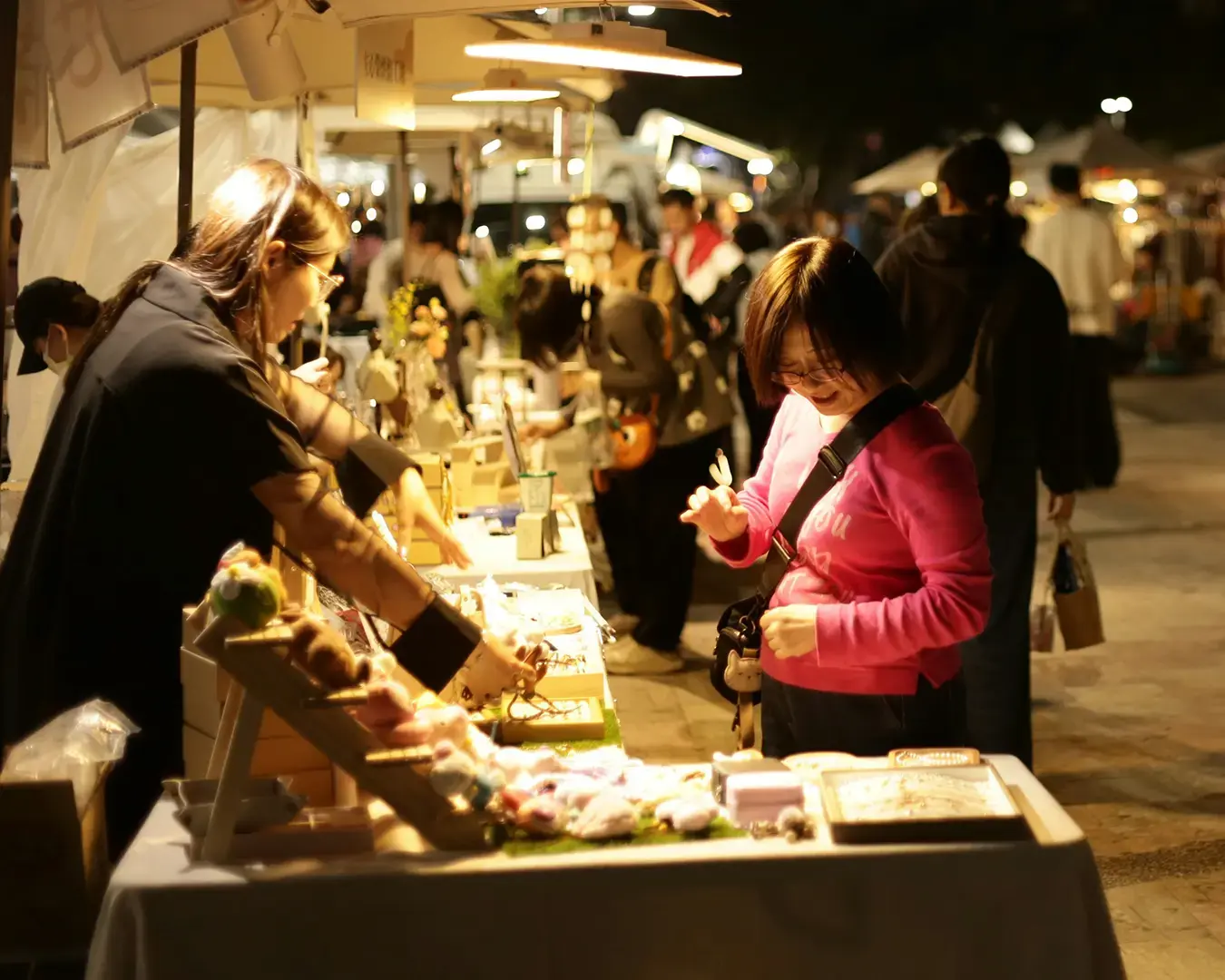
Tanjong Pagar’s pulse shifts: long queues dissolve after dinner, giving way to calm in places like international plaza, tanjong pagar plaza, or tucked-away hawker centres. My approach is respectful—never obstructing noodles or chicken deliveries on busy lanes.
When photographing people, I focus on hands: the twist of noodles, grasp on a dish, pour of a coffee at a restaurant table. I ask with a nod; trust and anonymity are honored. Gestures over faces, rhythm over chaos—the candid becomes genuine, the scene remains alive.
Storytelling Sequence: Plates, Pour, and Aftermath
Each outing, I craft a mini-sequence: first, the unopened menu or arrival of a business lunch at a new restaurant, often paired with coffee from a bustling stall. The climax: the main action—steam from beef bowls, texture of maguro brothers rice, sauce falling over a chicken cutlet—captured rhythmically.
The end frame is aftermath: the cleaned bowl, dribble of sauce, or farewell to a sharing plate at a now-quiet dinner table. Colors remain honest—hue and saturation tweaks only to pop greenery or subdued glazes. Highlights stay gentle for the real feel of a late meal.
Minimalist Night Post-Workflow
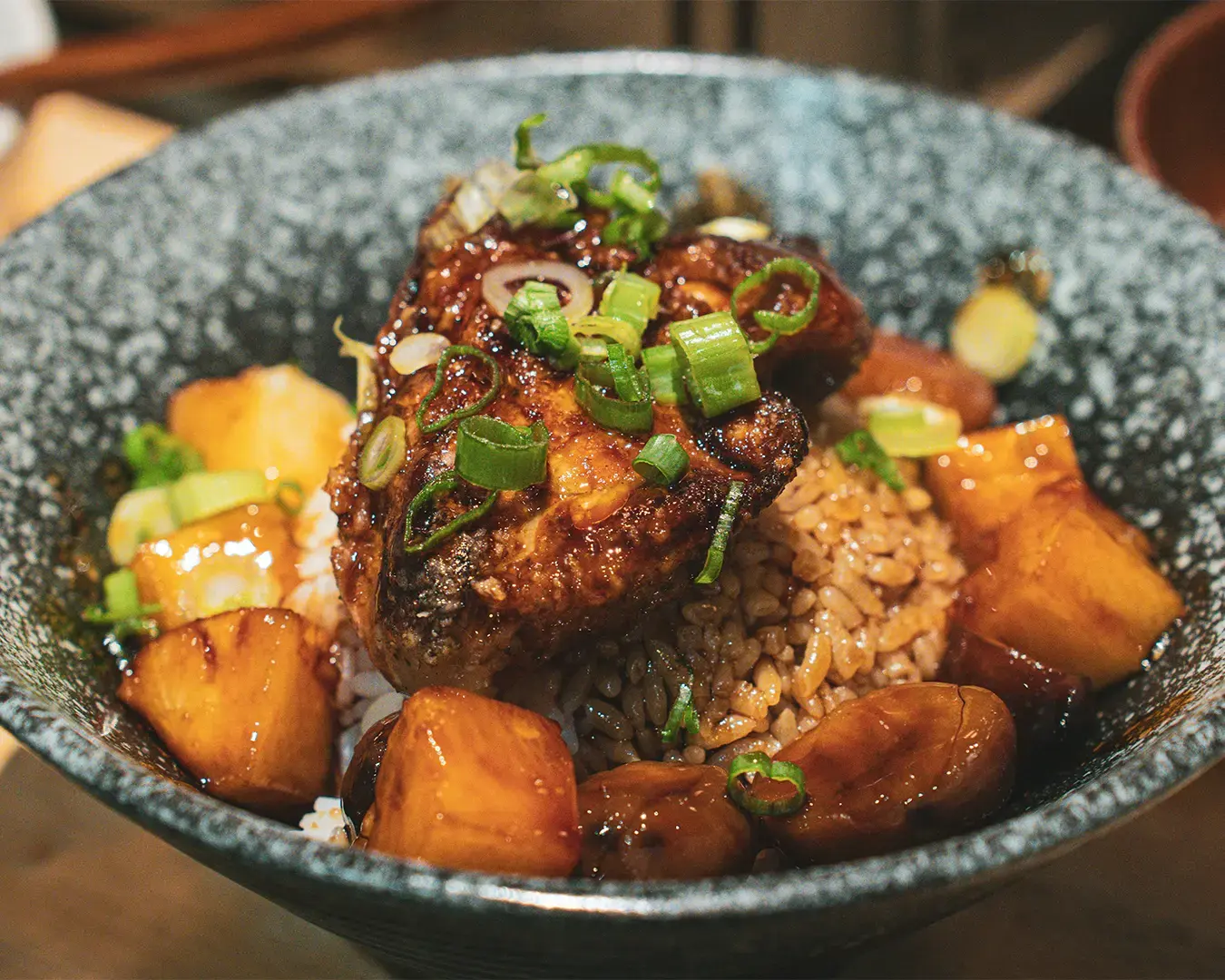
On the return MRT, my workflow is quick: exposure and white balance edits favor ambient light’s honest glow, gentle S-curves keep highlights believable. I target noise reduction only on background shadows, never at expense of food texture—leaving japanese restaurant fare, rice bowls, or glossy egg true to life. A touch of vibrance for matcha drinks, restraint elsewhere.
Nimble Logistics for Tanjong Pagar Shoots
Tanjong pagar dining means moving often. Cashless payments are prevalent, though I pocket change for last-minute dessert. My bag is light—charger, microfiber, spare card—just enough for streets between tanjong pagar plaza and an impromptu stop at a bearded bella outpost or hidden bowl of beef rendang.
When planning food photography outings, always check specific opening hours of eateries—some operate Mon-Fri, others Mon-Sat, Sat-Sun, or Sun-Thurs—since schedules vary widely in the Tanjong Pagar area.
The train home signals the end—plates scraped clean, heat curving from last meal, neon glancing off glass, hands and light colliding in the corridor. These fleeting intersections of food and rhythm keep me returning, camera in hand, to Tanjong Pagar’s endless midnight feast. For a deeper dive into night strategy and lighting, see Tanjong Pagar After Dark — A Midnight Photographer’s Field View to Food & Light.

Two Bowls After Dark: Photographing Xing Ji and Seng Hiang at Bedok 85
Sarah Teh | August 20, 2026
It was past ten when I got to Bedok 85, and the steam was doing all the talking. Fong Seng was long shut by then, but the hawker centre still hummed. A few tables of men in singlets nursing beers. The clack of a wok somewhere behind me. And that particular fluorescent glare that flattens…
-
6ix 6ix: Framing a 24-Hour Sichuan Kitchen Hidden Along Cuppage Road
Sarah Teh | August 19, 2026
6ix 6ix After Midnight Cuppage Road goes quiet after the dinner crowds thin out. The shophouses along Cuppage Terrace dim, Cuppage Plaza rescinds into darkness, and the street holds only the low hum of a few late cars and the occasional figure walking home. Then there is 6ix 6ix, spilling warm light onto the pavement…
-
Stillness Amidst the Chaos: Finding the Quiet Moments in the Noise of Nightly Eats
Sarah Teh | August 13, 2026
The wok never stopped roaring. It was almost midnight at a zi char stall in Geylang, and the flames kept leaping up in short, angry bursts. Trays clattered. Someone shouted an order across the aisle. A cleaner dragged a bin past my chair. I sat there with my camera in my lap, waiting for a…
-
Low-Light Sushi Photos: How to Frame Nigiri, Sashimi, and Maki During Dinner
Sarah Teh | August 12, 2026
The first time I tried to photograph nigiri at a proper counter, I ruined the piece. I fussed. I tilted the plate. I leaned back for a better angle, checked the screen, tried again. By the time I actually ate it, the rice had cooled and the fish had warmed, and that careful balance the…
-
From Smoke to Plate: The Delicate Dance of Food Photography at Midnight
Sarah Teh | August 6, 2026
The smoke reached me before the food did. It was close to one in the morning, and I was standing at a satay stall near Lau Pa Sat, watching a man fan his coals in slow, practiced strokes. Each pass sent up a curl of grey that caught the streetlight and vanished. I had my…
-
Inside Al Capone’s: A Late-Night Italian Photo Story at Cuppage Terrace
Sarah Teh | August 5, 2026
I nearly walked into Cuppage Plaza by mistake. That’s the thing people get wrong about Al Capone’s. It’s not inside the plaza at all. It sits a short walk away at 37 Cuppage Terrace, along that covered open-air stretch where the tables spill almost onto the walkway. I found it by following the sound first….
-
Beyond the Lens: How Food Photography Connects Us to the Heart of the Night
Sarah Teh | July 30, 2026
The first time I lowered my camera mid-shot, I knew something had changed in me. It was past midnight at Geylang Lor 9 Fresh Frog Porridge, a kway chap stall nearby still going strong. The uncle had just ladled broth over the rice, the steam curling up into the dim light, and instead of framing…
-
Cuppage Plaza Food After 12AM: A Late-Night Dining List on Cuppage Road
Sarah Teh | July 29, 2026
Most people know Cuppage Plaza food during daylight hours. But I know it better after midnight. For the past two years, I’ve made a quiet habit of ending my nights here, camera slung over one shoulder, appetite following close behind. I’ve watched the building change character after 11pm, when the lifts go slow and the…
-
Late-Night Lighting: How to Embrace Darkness
Sarah Teh | July 23, 2026
The first time I tried to photograph a bowl of noodles in the dark, I lost. I was at a supper stall past midnight, fiddling with settings, raising the brightness, fighting the shadows like they were the enemy. By the time I got a clean shot, the broth had gone tepid and the moment had…
-
Miss Saigon: A 2AM Bánh Mì in the Quiet of Orchard Plaza
Sarah Teh | July 21, 2026
I went looking for air, not dinner. It was late, the kind of late where Orchard Road empties out and the malls go soft and grey. I wandered up to the second floor of Orchard Plaza, located at 150 Orchard Road #02-56, and there it was, lit and open, a little Vietnamese store that doesn’t…