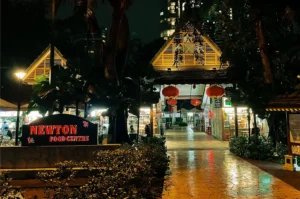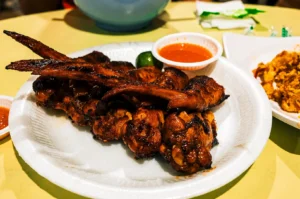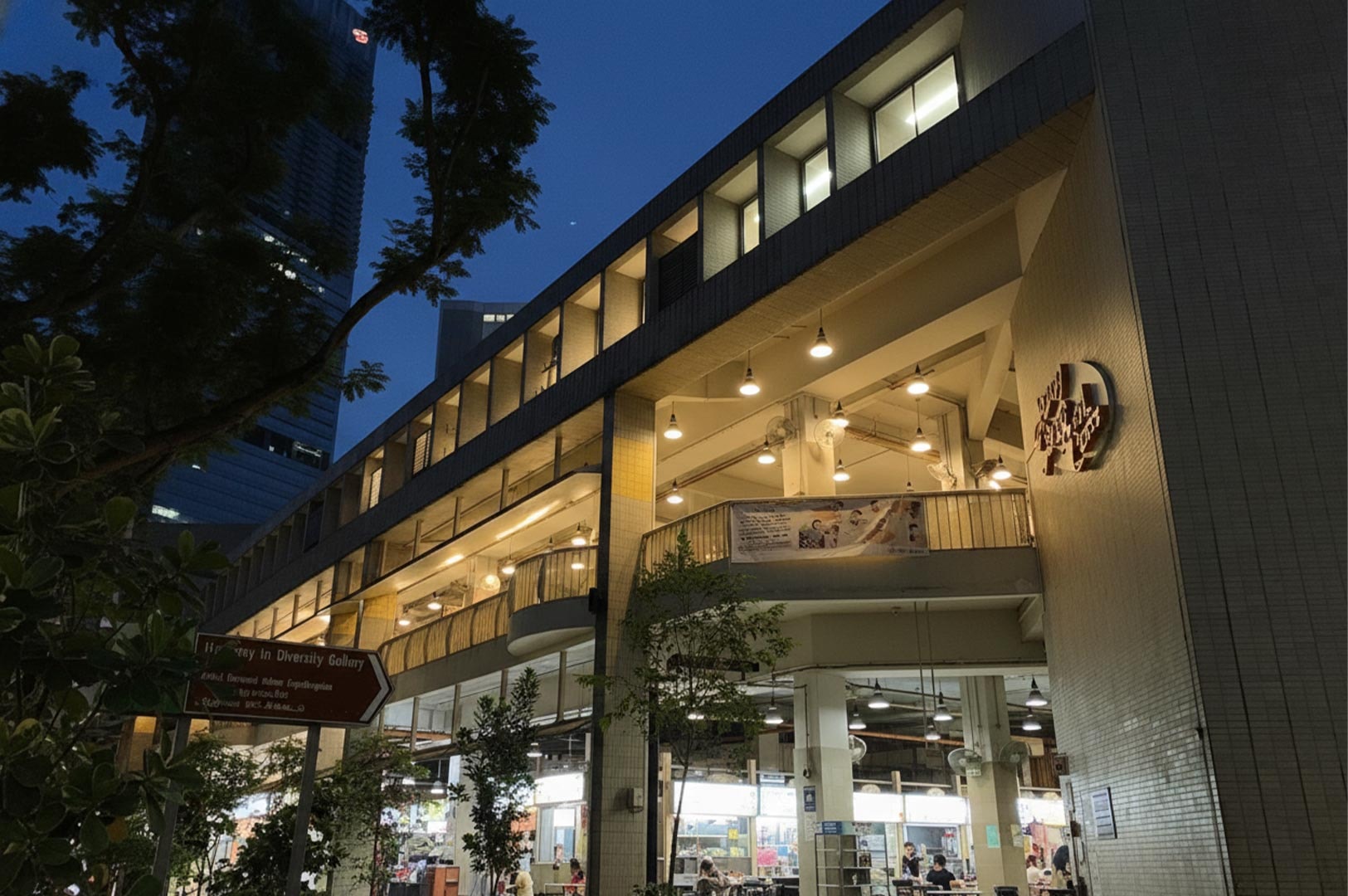
As the dinner rush subsides at Amoy Street Food Centre Singapore, the true choreography begins. Seasoned hawker stall owners move with precision honed over decades, their wok fire dancing in rhythms that predate Singapore’s modern skyline. Six Michelin Bib Gourmand stalls operate within this 1983-established food centre, transforming what began as a government cleanliness initiative into Singapore’s most accessible archive of disappearing hawker techniques.
Located at 7 Maxwell Road within Singapore’s Central Business District, this street food centre serves as both a practical dining destination and a cultural archive. The choreography of traditional cooking methods unfolds daily against the backdrop of gleaming office towers, creating a temporal intersection where vanishing culinary arts persist through institutional preservation and economic validation.
What is Amoy Street Food Centre Singapore?
Amoy Street Food Centre Singapore is a two-storey hawker centre housing 134 food stalls within the Ministry of National Development Building Annexe B. Established on April 11, 1983, the centre spans 3,539 square meters and represents a government strategy to preserve street hawking culture while improving sanitary conditions.
Situated at the junction of Telok Ayer Street and Amoy Street in Singapore’s historical Chinatown district, it is accessible via three MRT stations: Tanjong Pagar, Maxwell, and Telok Ayer. This location within the financial district creates a unique dynamic, serving office workers during lunch and food enthusiasts during off-peak hours.
Currently home to six Michelin Bib Gourmand stalls, including renowned hawker stalls like Han Kee Fish Soup and A Noodle Story, the centre validates traditional hawker expertise. Swan City Noodle House is also a destination here, known for authentic Sarawakian noodles such as kampua noodles and kolo mee, and Fuzhou specialties from Sibu, Sarawak, making it a must-visit for those seeking traditional Sarawakian cuisine. Michelin recognition elevates family recipes into internationally acknowledged culinary achievements, preserving knowledge that might otherwise vanish due to economic pressures and generational succession challenges. Ah Seng, a long-standing traditional coffee shop stall, is celebrated for its charcoal-grilled bread and classic Hainanese kopi, further exemplifying the centre’s commitment to authentic Singaporean breakfast fare.
Operating hours are Monday through Saturday from 06:30 to 21:00, and Sunday from 06:30 to 18:00. Individual stalls maintain varied schedules, often closing on weekends, influencing optimal visiting times.
Historical Context: From Street Hawkers to Culinary Archive at Amoy Street Food Centre
Established during Singapore’s 1983 cleanliness drive, Amoy Street Food Centre was one of five hawker centres built in the Central Business District. Originally hosting 144 stalls built at a cost of S$5.83 million, it preserved traditional cooking methods while addressing public health concerns.
Street vendors from Stanley Street, Boon Tat Street, Cecil Street, Amoy Street, and Telok Ayer Street were relocated here, marking a shift from street hawking to institutionally supported cultural preservation.
Telok Ayer Street, bordering the centre, historically faced the sea and was a landing site for migrants from South China and South India in the 1800s. Stamford Raffles designated this area as a Chinese district in 1822, shaping culinary traditions preserved in the centre’s offerings. Teochew, Hokkien, and Hainanese techniques remain distinct across generations.
A renovation between 2002 and 2003 invested S$2.8 million in modernizing infrastructure, reducing stalls from 144 to 134, reflecting both preservation and evolution.
Evening Atmosphere and Wok Hei Choreography in Amoy Food Centre
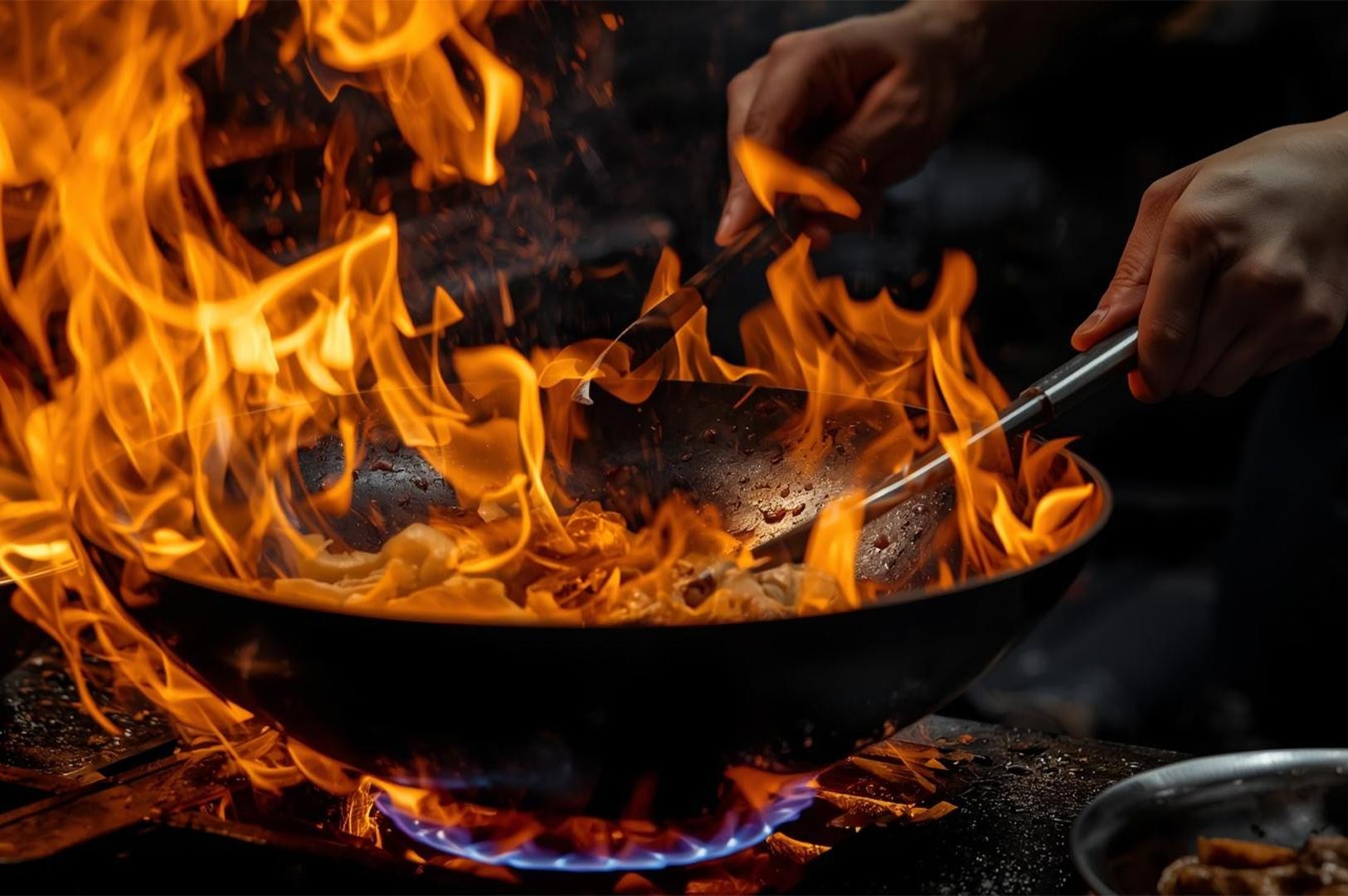
Evening service transforms the centre from a bustling lunch hub to a stage for authentic cooking techniques. After 17:00, reduced crowds allow detailed observation of individual order preparation.
Seasoned hawker stall owners’ wok hei choreography becomes dramatic under low light, with high-BTU burners producing visible flames that vary by ingredient. Thermal stratification in woks is manipulated through precise tossing and timing. The acoustic metal-on-metal sounds are more discernible without lunch-hour noise.
The two-storey layout creates varied atmospheres; second-floor seating offers unobstructed observation, while first-floor stalls near entrances experience different foot traffic and pacing.
Techniques like curry powder toasting, homemade sambal preparation, and dark soy sauce caramelization become visible during lower volume periods, revealing precise temperature control and timing.
Wok hei—the distinctive smoky flavor from high-heat cooking—is especially apparent during evening service when dishes receive individualized attention. Accumulated fond on wok surfaces throughout the day adds complexity to late orders.
Best Food Stalls at Amoy Street Food Centre After Peak Hours
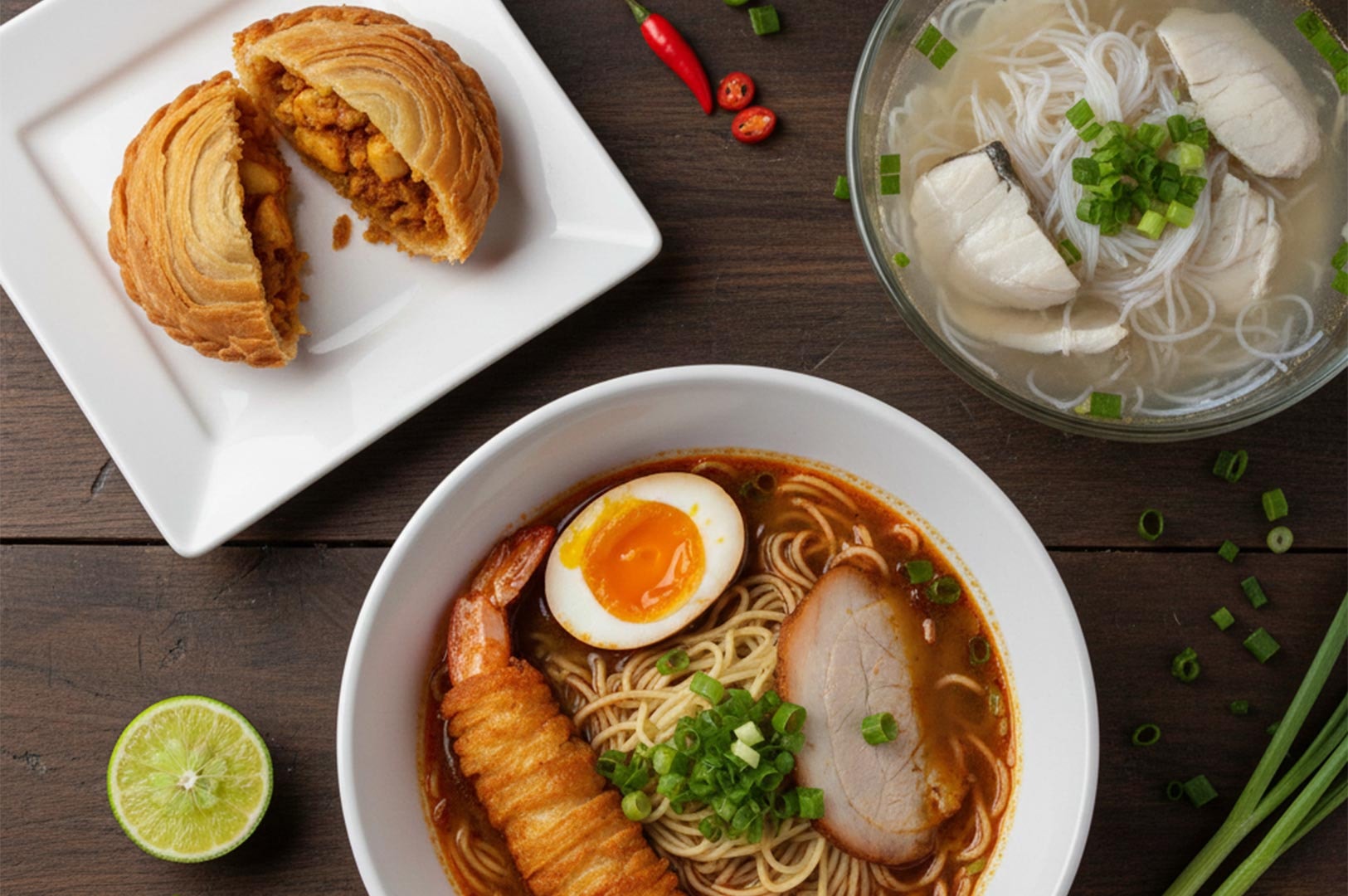
Michelin Bib Gourmand Winners
- A Noodle Story: Known for innovative Singapore style ramen, combining traditional char siew with Japanese ramen techniques, including wanton mee, potato-wrapped fresh prawns, and onsen egg. Their precise wok timing is observable during individual orders.
- Han Kee Fish Soup: Renowned for clear, umami-rich sliced fish soup using fresh fish, rice noodles, and balanced seasoning. Maintains third-generation preparation with generous portions reflecting traditional hawker values. Their fish soup is often paired with rice bowls or bee hoon.
- J2 Famous Crispy Curry Puff: Handcrafted flaky curry puffs filled with spiced minced meat and curry potato, showcasing Peranakan heritage with individual wrapping and deep-frying. Their crispy sardine puff is a crowd favorite.
- Hoo Kee Bak Chang: Specializes in Hokkien rice dumplings with stir-fried glutinous rice seasoned with five-spice and dark soy sauce, marinated pork, and chestnuts. Complex folding and filling techniques are visible during assembly.
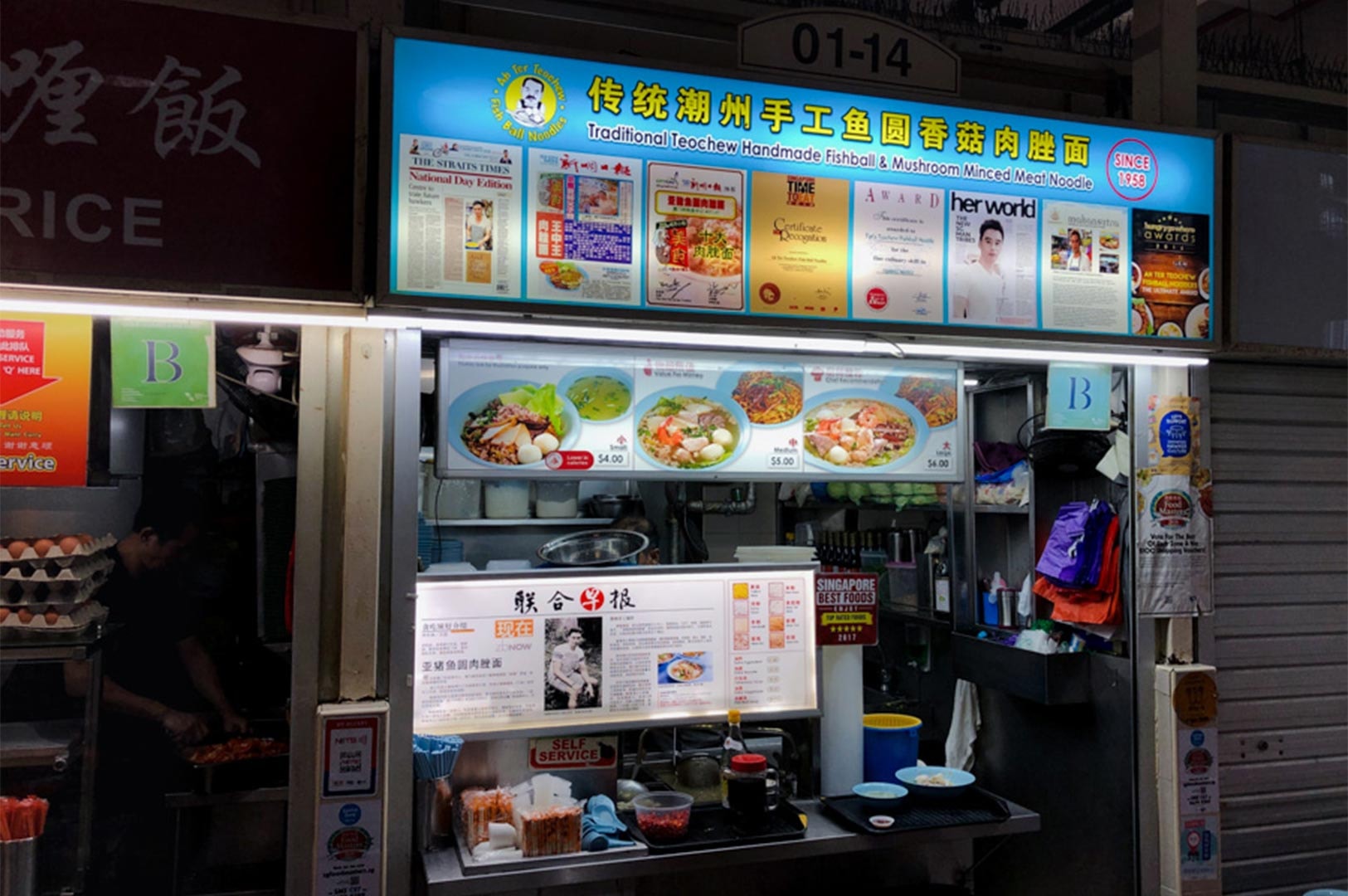
- Ah Ter Teochew Fishball Noodles: Third-generation Teochew stall making handmade fish balls, fish cakes, and traditional mee pok noodles, reflecting fishing community heritage through seasoning and chewy noodles texture.
- Yuan Chun Famous Lor Mee: Known for thick, savory gravy made without commercial starch, using traditional reduction methods. Their lor mee features balanced umami and excellent ngoh hiang, pork belly, and shark’s meat.
Vanishing Technique Specialists and Traditional Food Centre Favorites
- 308 Coffee Shop: Preserves charcoal-roasted traditional kopi methods rare in modern centres. Their kaya toast preparation complements the coffee, showcasing traditional Singaporean breakfast techniques and pairing well with a hot drink.
- Cha Dian: Maintains hand-pulled kueh techniques performed by original aunties, representing irreplaceable tacit knowledge. Their carrot cake and other kueh are made fresh daily.
- Soon Lee: Traditional you tiao and ham chim peng preparation using hand-kneaded dough and oil temperature control developed over decades.
- Quan Ji: Third-generation zi char stall known for sour pork ribs, black pepper beef rice, and spring onion pork rice, where chopped spring onions are used as a key ingredient to enhance both the flavor and presentation of their dishes, demonstrating complex multi-dish wok coordination and precise seasoning.
- Pepper Bowl: Popular for black pepper chicken and black pepper beef rice, this stall offers generous portions at affordable prices, often complemented by an onsen egg.
Technical Tasting and Photography Documentation at Amoy Street Food
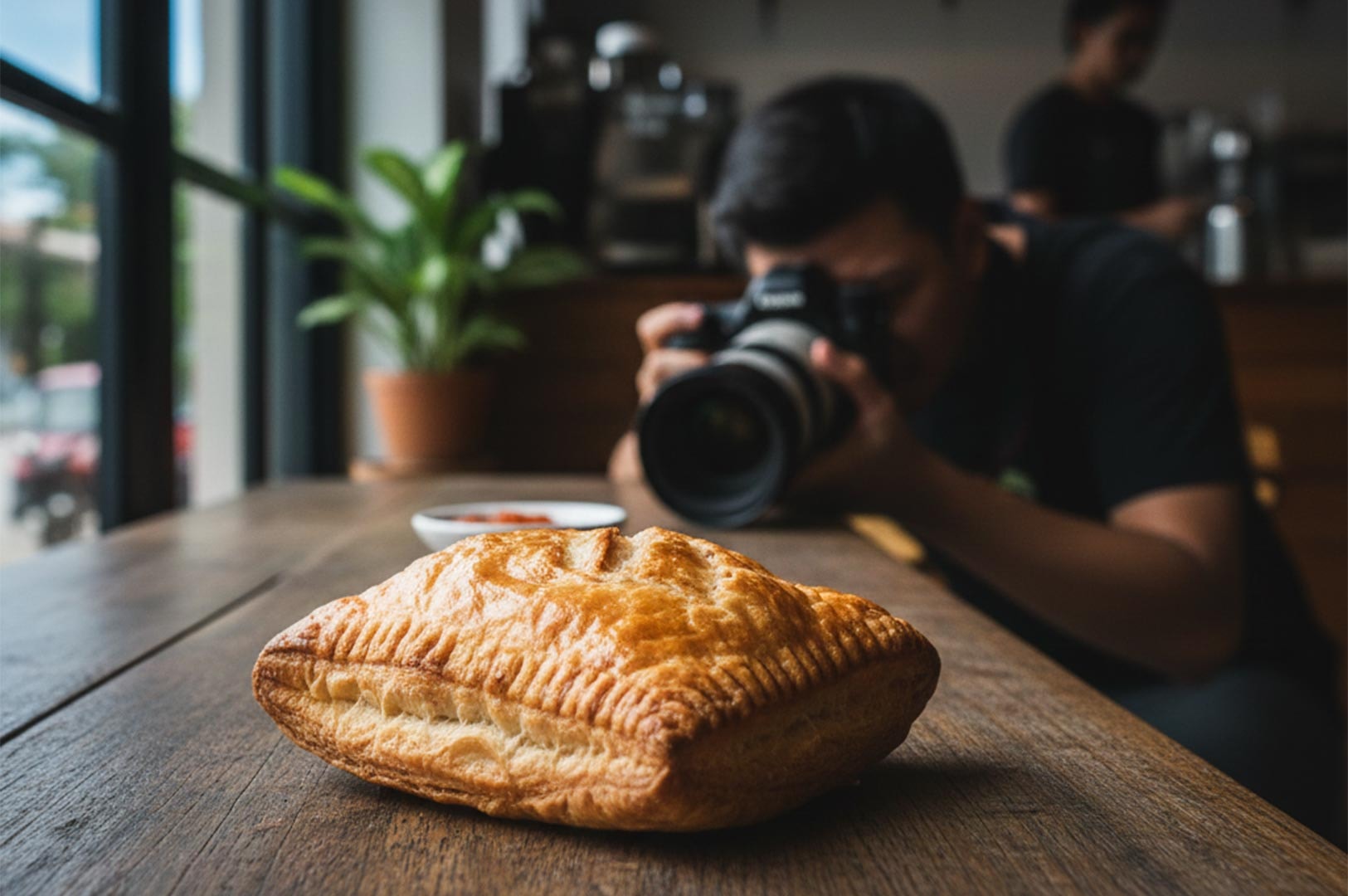
Optimal Documentation Times
- Afternoon (2:30-4:00 PM): Natural light penetrates the two-storey structure, allowing photography without flash and capturing authentic preparation during transition periods.
- Evening (6:00-8:00 PM): Reduced ambient lighting highlights wok flames for dramatic visual effects. Heat distortion near burners requires careful positioning.
- Morning (7:00-9:00 AM): Ingredient preparation phases like prawn cleaning, sliced pork preparation, and pork rib marination are visible, ideal for documenting vanishing techniques.
Photography Considerations
- Use high ISO and fast aperture lenses to capture rapid wok movement without blur.
- Macro lenses help capture textures like crispy curry puff crusts, onsen egg yolk, and iberico pork char siew.
- Manage heat distortion by positioning slightly off direct flame.
- Avoid flash to respect hawker workflow and customer comfort.
Those seeking to capture the essence of hawker fare in Amoy Street Food Centre Singapore’s intimate low light will find useful tips in My Guide to Mastering Low-Light Food Photography. It offers practical advice to preserve vibrant atmosphere and detail, matching the dynamic, authentic setting of this culinary hub.
Practical Visiting Logistics for Amoy Street Food Centre Singapore
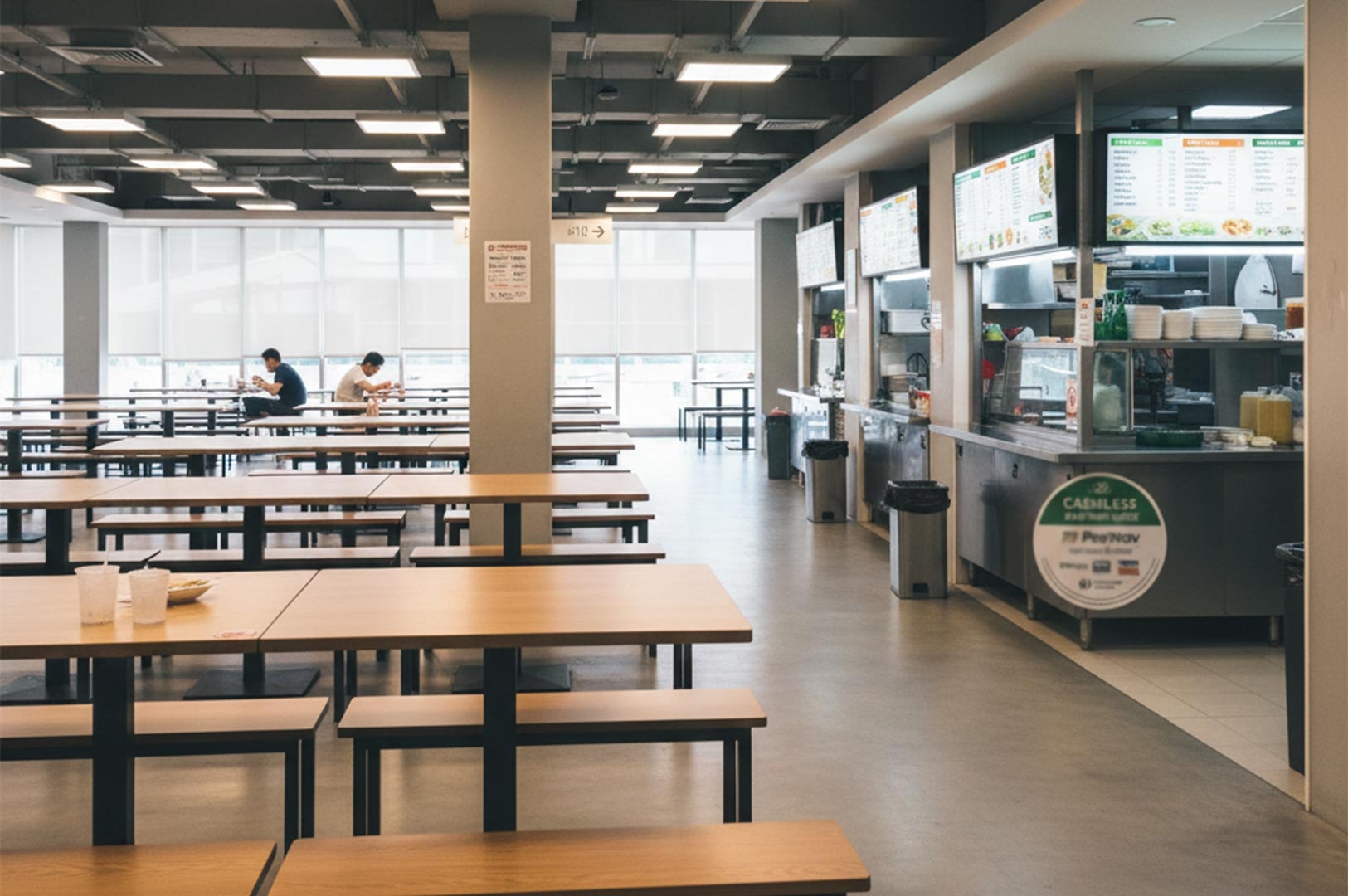
Operating Hours and Stall Availability
- Centre open Monday to Saturday 06:30-21:00, Sunday 06:30-18:00.
- Most stalls operate weekdays with limited weekend hours.
- Morning coffee and breakfast stalls open around 7:00 AM; lunch service peaks 11:00-14:30.
- Evening service varies, with some stalls closing early.
Navigation and Seating
- Ground floor hosts high-volume lunch stalls; second floor features specialized and traditional offerings including hawker stalls known for kampua noodles and wanton mee.
- Lift available for mobility needs; stairs standard for most.
- Queue and payment methods vary; cash widely accepted though cashless options increasing.
- Communal seating with table sharing during peak hours; off-peak offers better seating for observation.
- Parking nearby is costly; MRT access recommended.
Photography and Ordering Etiquette at Amoy Street Food Centre Singapore
- Seek hawker permission before photographing their work.
- Avoid obstructing queues or cooking processes.
- Use natural light when possible; minimize flash use.
- Approach documentation with respect for cultural preservation and livelihood.
Signature Amoy Street Food Worth Documenting
- Hand-pulled mee tai mak noodles requiring dexterity and timing.
- Multi-generational recipe variations showing evolution within family ownership.
- Seasonal specialties like rice dumplings during Dragon Boat Festival.
- Cross-cultural fusion dishes like Singapore style ramen, Mexican food adaptations, and truffle char siu noodle.
- Labor-intensive preparations such as handmade wanton wrappers, traditional you tiao, and precise stir-frying for wok hei.
- Traditional zi char dishes like black pepper chicken, fried kway teow, and char kway teow demonstrating timing and flame control.
- Bean sprout texture management and layering with pork lard and dark soy sauce caramelization.
- Contemporary innovations like pulled pork burrito and kampua noodles showing hawker adaptability.
- Use of premium ingredients like truffle powder in traditional dishes maintaining authenticity while appealing to modern palates.
- Traditional curry preparation involving whole spices, coconut milk reduction, and complex seasoning balance, highlighting vulnerable culinary knowledge.
These techniques and dishes collectively preserve the culinary heritage of Amoy Street Food Centre Singapore, making it a living archive of vanishing hawker arts and a vibrant destination for authentic Singaporean street food.
At its core, Amoy Street Food Centre is more than just a place to eat—it is a living archive of Singapore’s rich street food heritage. Here, seasoned hawker stall owners meticulously craft ancestral recipes with deep reverence, while patrons find solace in bowls of thoughtfully prepared noodles and vibrant dishes. Each meal served is a humble yet profound tribute to the past, present, and future of Amoy Street’s culinary legacy. For food photographers, mastering Shadow Play: Using Contrast for Dramatic Food Photography, enhances textures and creates striking, captivating images.

The Last Sweet Bowl: Photographing 75 Ah Balling Peanut Soup After Dinner
Sarah Teh | October 22, 2026
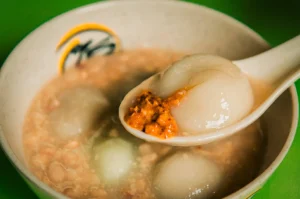
The steam went up before I was ready for it. I had my camera against my chest, waiting, and the vendor lifted the ladle without warning. Warm vapour curled off the surface of the peanut soup and caught the fluorescent tube overhead. I raised the lens and pressed the shutter, but the moment had already…
-
Best Chirashi Don Singapore: Fresh Sashimi Bowls from Daylight to City Lights
Sarah Teh | October 21, 2026
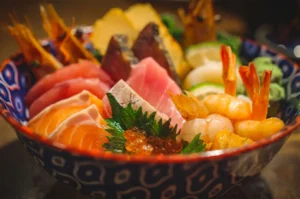
The city cools slowly after sunset. The neon signs warm up, and the crowds thin into something quieter. This is the hour when a bowl of fluffy Japanese rice topped with cold raw fish starts to make sense. Not the flash of a grill or the roar of a wok, but something still. Cubed sashimi…
-
The 3AM Bowl: Why Hock Heng Fish Soup Feels Different Before Sunrise
Sarah Teh | October 21, 2026
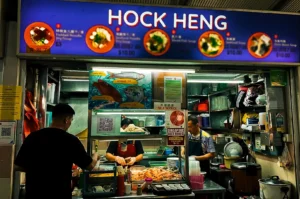
The steam rose before the light did. I stood with my camera lowered, watching a hand lift a ladle over the pot, waiting for the moment the vapour would catch the fluorescent tube overhead. It came in a slow curl, thin and pale, drifting up past the vendor’s wrist. Then the fish slices went in….
-
Prawns Beneath Fluorescent Light: A Late Shoot at ONE.85 Big Prawn Mee
Sarah Teh | October 15, 2026
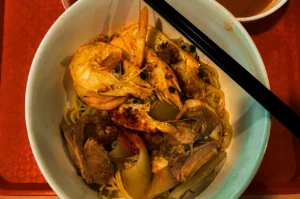
The broth was the reddest thing in the stall, and the light was doing its best to kill it. It was past eleven at ONE.85 Big Prawn Mee, and I had been standing at the counter for a while, camera down, watching the uncle work the pot. He lowered a metal basket of noodles into…
-
Discover the Flavors of Issho Izakaya: A Complete Review and Menu Guide
Sarah Teh | October 14, 2026
As the office towers empty, Issho Izakaya at Marina One fills with diners. Located at #01-14, 5 Straits View, West Tower, Singapore 018935, this contemporary Japanese izakaya offers a warm, inviting space at the heart of the CBD. Issho means “together“ reflecting its focus on shared plates, communal dining, and a cozy atmosphere with both…
-
A Bowl That Only Makes Sense at Night: Chai Chee Pork Porridge at Bedok 85
Sarah Teh | October 8, 2026
The steam was the first thing I lost. It was well past midnight at Bedok 85, and I had been standing at Chai Chee Pork Porridge for a while, camera down, watching the auntie work the pot. She lifted the ladle, let the porridge fall back in a slow white ribbon, then lifted it again….
-
Gochi-So Shokudo: Discover This Japanese Comfort Food Spot For Your Night Food Crawl
Sarah Teh | October 7, 2026
Comfort food rarely announces itself. It waits in a mall corridor, somewhere between a shoe shop and an escalator, holding the smell of grilled pork and warm rice until you slow down enough to notice. That is where you find Gochi-So Shokudo ご, also known as ご ち 惣 食堂. Not a place chasing attention….
-
Oil, Oyster and Broken Light: Photographing Bedok North Fried Oyster at 1am
Sarah Teh | October 1, 2026
The first thing I noticed was the light. It was not the kind of light a photographer usually looks for. The fluorescent tubes above the stalls at 85 Fengshan Centre cast a pale, uneven glow across the tables, flattening some colours while exaggerating others. But at 1am, standing in front of the fried oyster stall…
-
When the City Goes Quiet, XO Minced Meat Noodles Begin
Sarah Teh | September 30, 2026
The last bus has gone. Newton Food Centre keeps a few lights on. I walk in past shuttered stalls, chairs stacked, floors still wet from a mop. Then I hear it: the scrape of a ladle, the low hiss of a pot. At 500 Clemenceau Ave N, #01-10, one stall is awake. XO Minced Meat…
-
Fire, Lime and Chicken Wings: A Night with Sin Bedok North BBQ
Sarah Teh | September 24, 2026
The wings went on before I found my angle. It was close to midnight at Bedok North, and I had been standing at Sin Bedok North BBQ for a while, camera down, watching the wings land on the grate in a neat row. The uncle laid them out without looking, the way you do a…