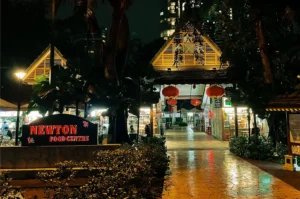
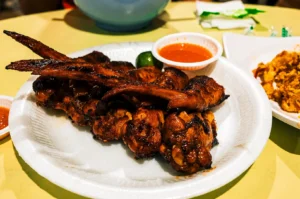
The rain stops, but the streets of Shinjuku still gleam. Reflections of a thousand neon signs shimmer on the wet asphalt, painting the world in electric blue and vibrant pink. For a photographer, Tokyo at night is an endless playground. Nestled within this cinematic landscape, down a narrow alley and behind humble doorways, are the glowing lanterns of the izakaya, the heart of Japanese nightlife. This photography guide explores the intersection of Tokyo photography and the atmospheric appeal of these cosy bars.
For a slower kind of Japanese comfort after dark, follow the warm glow of roux and rice into this guide to midnight Japanese curry spots in Singapore.
The Best Izakayas for Good Food and Japanese Sake in Singapore
Shunjuu Izakaya
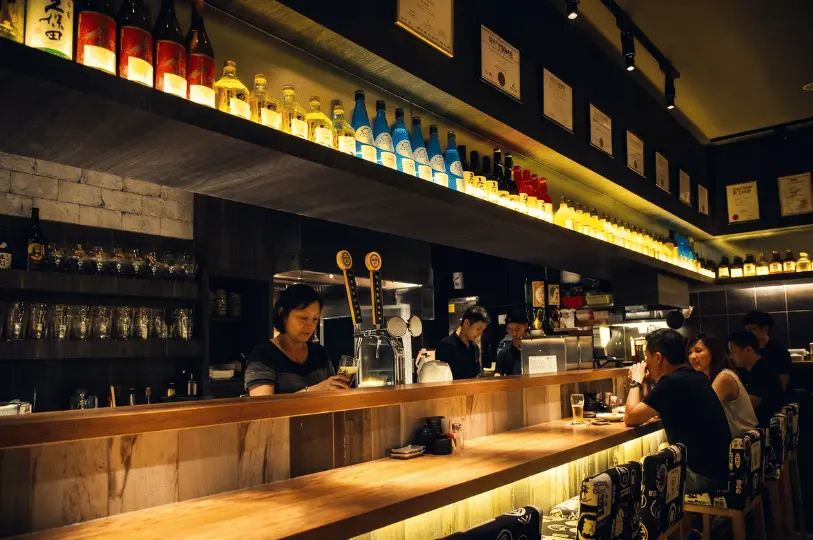
Shunjuu Izakaya is a perfect spot for food photographers who appreciate the visual appeal of traditional izakaya cuisine. The charcoal-grilled skewers showcase rich textures, from the caramelized glaze to the subtle char marks, all beautifully highlighted by the warm, inviting lighting. The gentle wisps of smoke rising from the grill add an atmospheric touch that enhances every shot.
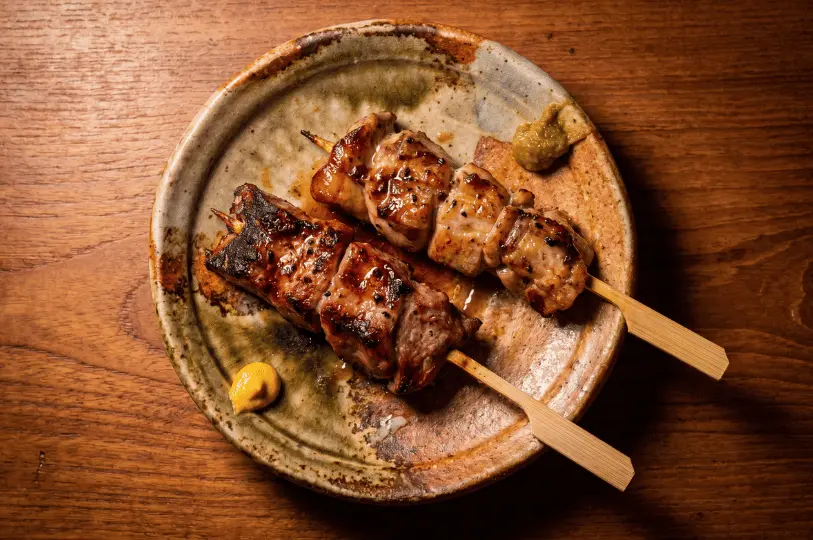
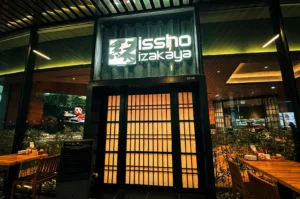
Issho Izakaya
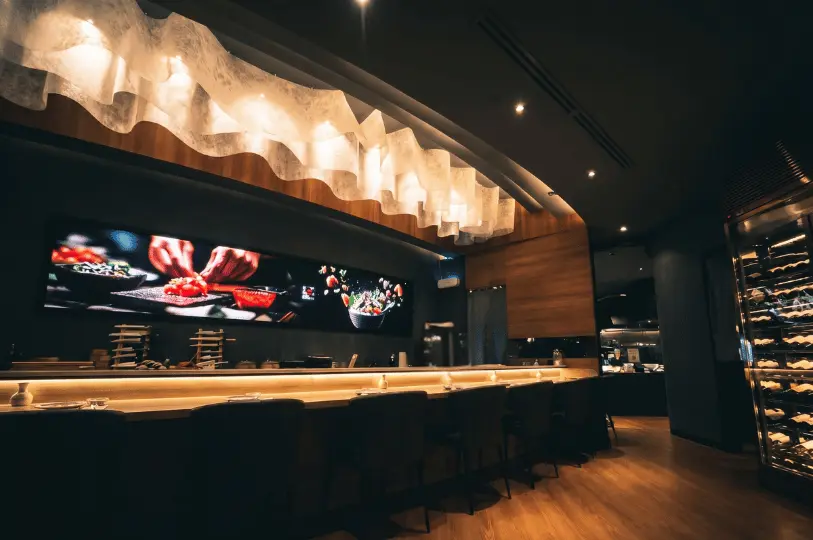
Issho Izakaya offers dynamic scenes ideal for capturing the lively spirit of izakaya dining. Photographers can find compelling moments in the shared plates, the movement of chopsticks reaching into dishes, and the casual interactions around the table. The varied textures and colors of the food, combined with the natural, candid energy, create engaging compositions beyond static food shots.
Public Izakaya
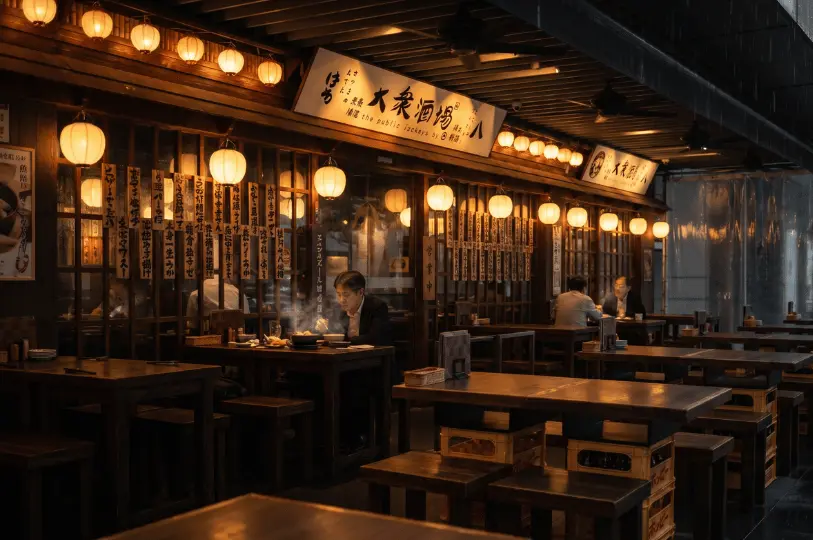
Public Izakaya brings a vibrant, bustling atmosphere that translates well into food photography. The interplay of bright lighting, clinking glasses, and an array of all the izakaya favourites, from grilled skewers and fresh seafood to fried food and shared plates, creates a rich visual narrative. Capturing the convivial mood alongside the food makes each image tell a story of authentic Japanese bar culture.
For more places where grilled skewers, sake glasses, and midnight conversations gather under warm light, explore this guide to late-night izakayas in Singapore.
The Allure of Japanese Izakaya Experience
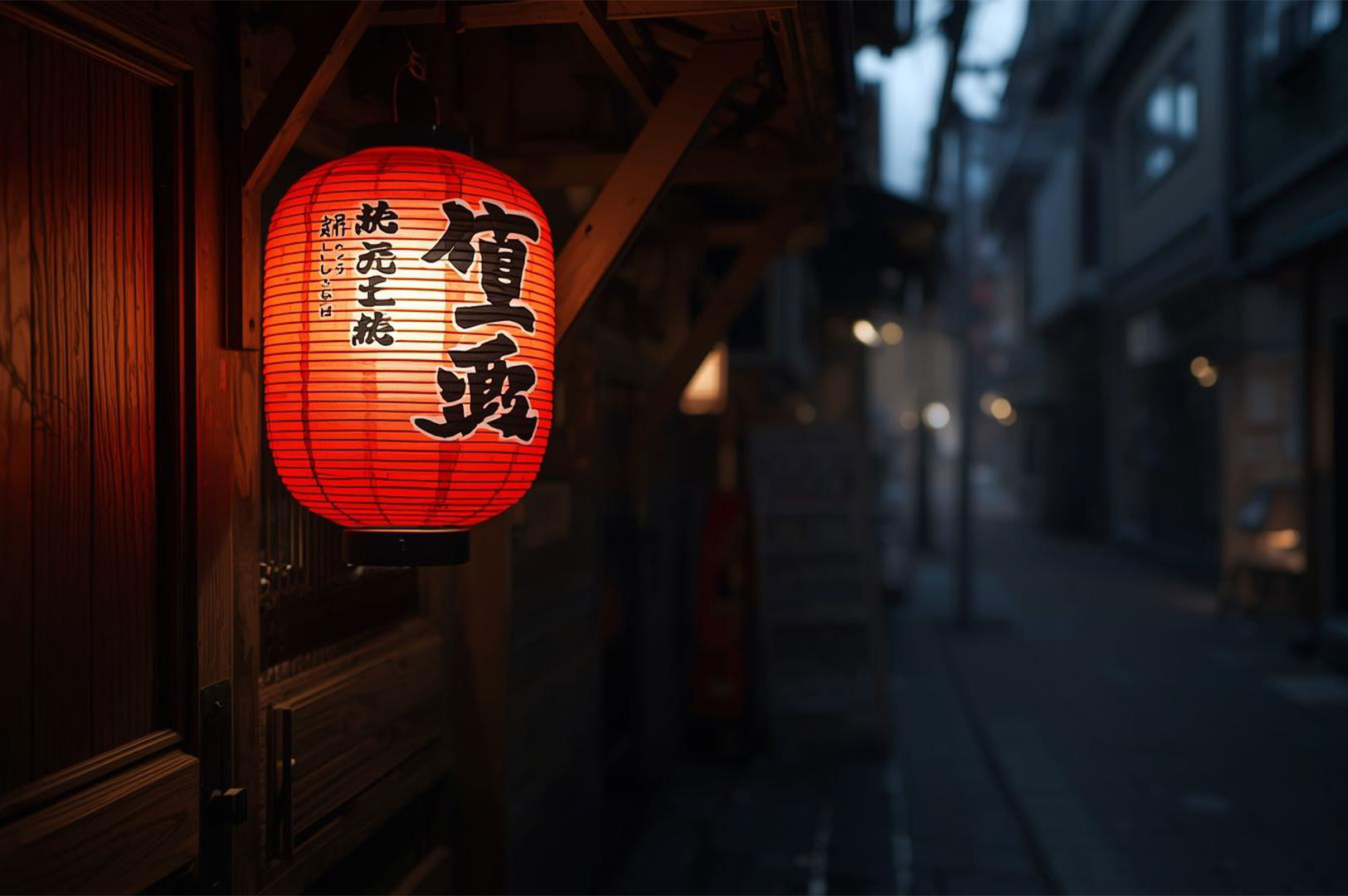
Why do so many photographers gravitate toward izakaya restaurants? An izakaya is more than just a place to drink alcohol; it’s a self-contained universe of visual stories, making it a perfect Tokyo photo spot.
The lighting is a key element. A warm interior glow from paper lanterns creates pockets of light and shadow, perfect for dramatic street photography. The iconic red lantern, or akachōchin, hanging outside contrasts beautifully with the cool tones of the city.
Inside, you’ll find an atmosphere of authenticity. These lived-in spaces are filled with the energy of human connection as patrons clink glasses and share stories. From stacks of mismatched bowls to handwritten menus, every detail tells a tale. Capturing the laughter of friends, the focused intensity of the chef grilling chicken skewers, and the steam rising from small dishes creates genuine, compelling images.
Understanding Izakaya Culture
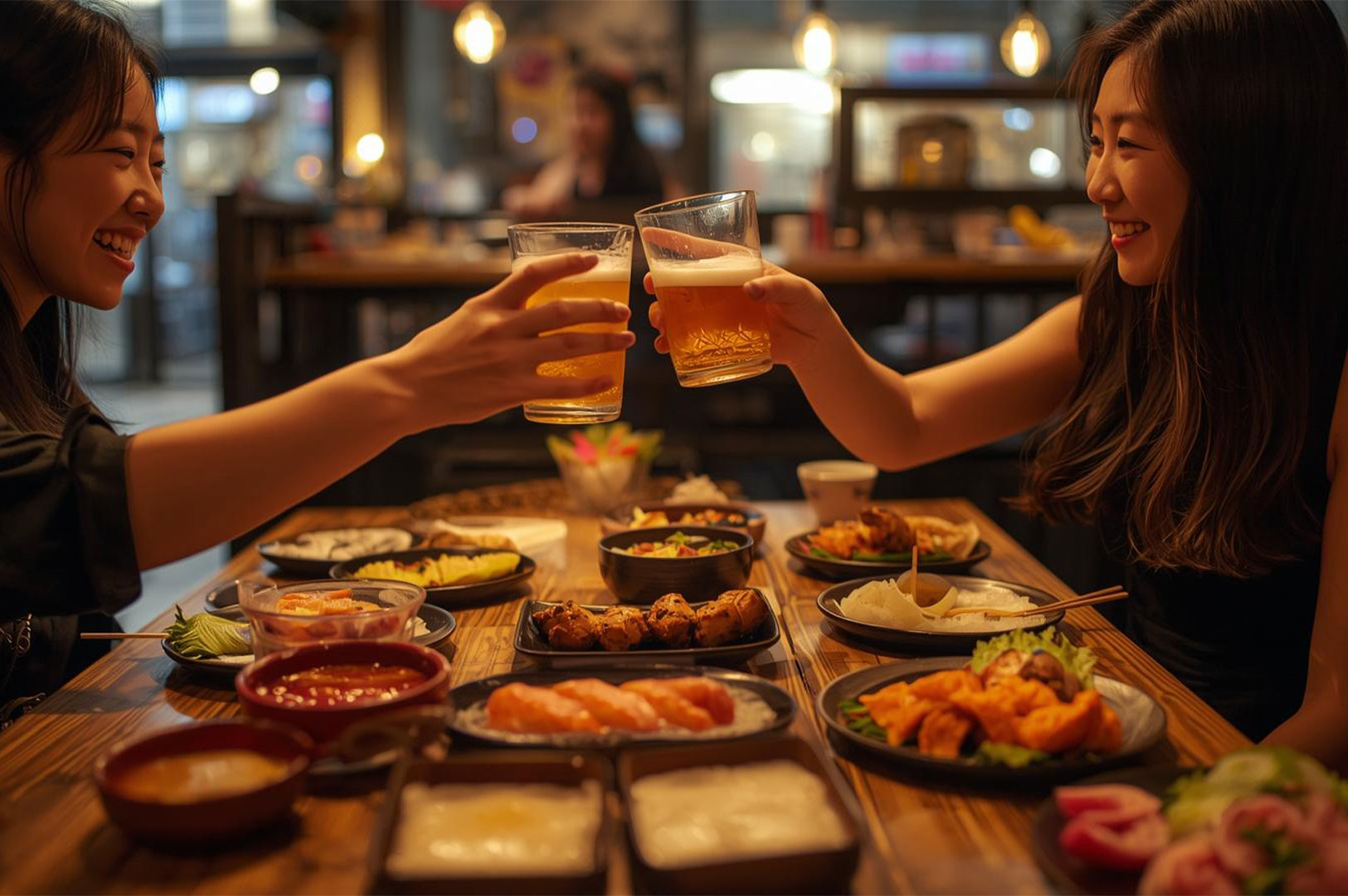
The izakaya began as sake shops where patrons could stand and drink. Today, they are Japan’s version of tapas bars. When you arrive, you’ll be given a wet towel (oshibori) and a small appetizer (otoshi). The menu is designed for sharing, featuring items like grilled chicken skewers (yakitori), grilled fish, raw fish (sashimi), and fried tofu. While many people come to enjoy alcoholic drinks like draft beer or sake, you can always order soft drinks like oolong tea or other non alcoholic drinks.
While some chain izakaya offer private rooms and extensive menus with items like french fries, the best izakaya experiences are often found in smaller, independent establishments on the side streets. The recent indoor smoking ban has also changed the atmosphere in many places.
What Izakaya Food to Shoot
The best izakaya food to photograph is usually the food that carries heat, texture, or movement. Start with grilled skewers: yakitori, tsukune, pork belly, or vegetables with charred edges. They catch the light well, especially when the glaze reflects a little warmth from the table lamp or bar counter. Fried dishes like karaage, tempura, or croquettes also work beautifully because their crisp surfaces create small shadows that make the image feel tactile.
| Frame Shot | What to Capture | Why It Works |
|---|---|---|
| The Charred Close-Up | A tight shot of grilled skewers, focusing on glaze, smoke, and char marks | Highlights the heat, texture, and fresh seasonal produce that define izakaya food |
| The Table Spread | A wider frame with skewers, sashimi, miso soup, grilled meat, and drinks | Conveys the abundance and good vibes of a friendly traditional izakaya dining experience |
| The Hands-in-Frame Shot | Chopsticks lifting gyoza, pouring sake or shochu, or reaching for skewers | Adds a fun, lively feel that captures the social spirit of many izakaya diners |
| The Drink-and-Dish Pairing | Beer, sake barrels, highball with soda water beside a strong dish like buta kakuni or bara chirashi | Anchors the meal visually and showcases the perfect pairing of drinks and izakaya dishes |
Essential Photography Tips
- Embrace Low Light: Use a fast lens (f/1.4-f/2.8) to let in more light. Don’t be afraid to increase your ISO; a little grain adds to the atmospheric feel.
- Capture Details: Focus on close-ups: hands pouring sake, the texture of grilled fish, or condensation on a beer glass. These more photos tell a powerful story.
- Be Discreet: Izakayas are intimate. Use a small camera, never use flash, and always be respectful. Ask for permission before taking portraits.
- Find Unique Angles: Don’t just shoot from eye level. Get low to the ground or find a higher vantage point to create a different angle for a more interesting experience.
Where the Lantern Light Lingers
Tokyo photography in Singapore is not about pretending the city is somewhere else; it is about noticing the small overlaps, the glow of a noren curtain, the quiet geometry of a sake glass, the smoke rising from skewers under warm artificial light. In these izakayas, Singapore does not disappear. It simply takes on another rhythm after dark, where food, shadow, and city light make a table feel like its own little midnight district.

The Last Sweet Bowl: Photographing 75 Ah Balling Peanut Soup After Dinner
Sarah Teh | October 22, 2026
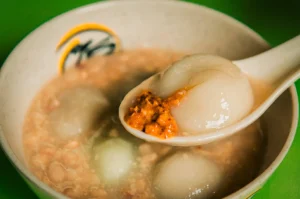
The steam went up before I was ready for it. I had my camera against my chest, waiting, and the vendor lifted the ladle without warning. Warm vapour curled off the surface of the peanut soup and caught the fluorescent tube overhead. I raised the lens and pressed the shutter, but the moment had already…
-
Best Chirashi Don Singapore: Fresh Sashimi Bowls from Daylight to City Lights
Sarah Teh | October 21, 2026
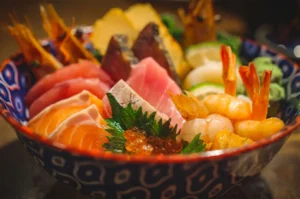
The city cools slowly after sunset. The neon signs warm up, and the crowds thin into something quieter. This is the hour when a bowl of fluffy Japanese rice topped with cold raw fish starts to make sense. Not the flash of a grill or the roar of a wok, but something still. Cubed sashimi…
-
The 3AM Bowl: Why Hock Heng Fish Soup Feels Different Before Sunrise
Sarah Teh | October 21, 2026
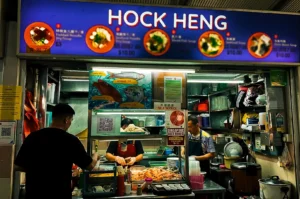
The steam rose before the light did. I stood with my camera lowered, watching a hand lift a ladle over the pot, waiting for the moment the vapour would catch the fluorescent tube overhead. It came in a slow curl, thin and pale, drifting up past the vendor’s wrist. Then the fish slices went in….
-
Prawns Beneath Fluorescent Light: A Late Shoot at ONE.85 Big Prawn Mee
Sarah Teh | October 15, 2026
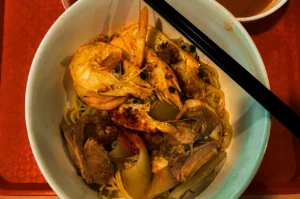
The broth was the reddest thing in the stall, and the light was doing its best to kill it. It was past eleven at ONE.85 Big Prawn Mee, and I had been standing at the counter for a while, camera down, watching the uncle work the pot. He lowered a metal basket of noodles into…
-
Discover the Flavors of Issho Izakaya: A Complete Review and Menu Guide
Sarah Teh | October 14, 2026
As the office towers empty, Issho Izakaya at Marina One fills with diners. Located at #01-14, 5 Straits View, West Tower, Singapore 018935, this contemporary Japanese izakaya offers a warm, inviting space at the heart of the CBD. Issho means “together“ reflecting its focus on shared plates, communal dining, and a cozy atmosphere with both…
-
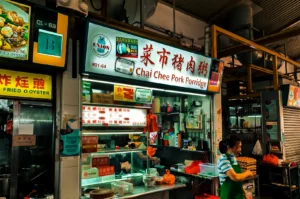
A Bowl That Only Makes Sense at Night: Chai Chee Pork Porridge at Bedok 85
Sarah Teh | October 8, 2026
The steam was the first thing I lost. It was well past midnight at Bedok 85, and I had been standing at Chai Chee Pork Porridge for a while, camera down, watching the auntie work the pot. She lifted the ladle, let the porridge fall back in a slow white ribbon, then lifted it again….
-
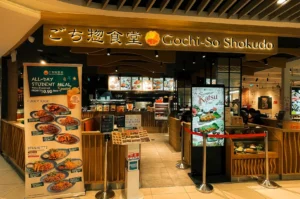
Gochi-So Shokudo: Discover This Japanese Comfort Food Spot For Your Night Food Crawl
Sarah Teh | October 7, 2026
Comfort food rarely announces itself. It waits in a mall corridor, somewhere between a shoe shop and an escalator, holding the smell of grilled pork and warm rice until you slow down enough to notice. That is where you find Gochi-So Shokudo ご, also known as ご ち 惣 食堂. Not a place chasing attention….
-
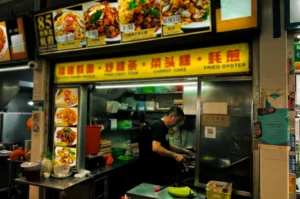
Oil, Oyster and Broken Light: Photographing Bedok North Fried Oyster at 1am
Sarah Teh | October 1, 2026
The first thing I noticed was the light. It was not the kind of light a photographer usually looks for. The fluorescent tubes above the stalls at 85 Fengshan Centre cast a pale, uneven glow across the tables, flattening some colours while exaggerating others. But at 1am, standing in front of the fried oyster stall…
-
When the City Goes Quiet, XO Minced Meat Noodles Begin
Sarah Teh | September 30, 2026
The last bus has gone. Newton Food Centre keeps a few lights on. I walk in past shuttered stalls, chairs stacked, floors still wet from a mop. Then I hear it: the scrape of a ladle, the low hiss of a pot. At 500 Clemenceau Ave N, #01-10, one stall is awake. XO Minced Meat…
-
Fire, Lime and Chicken Wings: A Night with Sin Bedok North BBQ
Sarah Teh | September 24, 2026
The wings went on before I found my angle. It was close to midnight at Bedok North, and I had been standing at Sin Bedok North BBQ for a while, camera down, watching the wings land on the grate in a neat row. The uncle laid them out without looking, the way you do a…