In Singapore’s michelin starred restaurants, moments of cultural memory unfold alongside fine dining. The michelin guide singapore is more than a ranking; it maps spaces where tradition, mastery, and aesthetics converge into experiences that exist briefly before becoming memory. Singapore stands out as a notable gastronomic destination in the Asia-Pacific region and the country’s culinary scene continues to grow.
These venues achieve global recognition through Michelin’s star system—one michelin star, two michelin stars, and the coveted three michelin stars—yet their essence lies in intimate moments: a chef’s precise knife work, steam rising from a dish, the choreographed ballet of service staff. This guide is essential for those seeking the best dining experience across Singapore.
Michelin Guide SG and Singapore as Cultural Memory, Not Just Culinary Ranking
The michelin guide singapore serves as a cultural archive mapping spaces where tradition, mastery, and aesthetics converge. Since its 2016 launch, it has documented not only excellent cuisine but Singapore’s evolving culinary identity—from hawker heritage to global fine dining innovation. It provides a comprehensive overview of all the restaurants that define the city’s gastronomic scene.
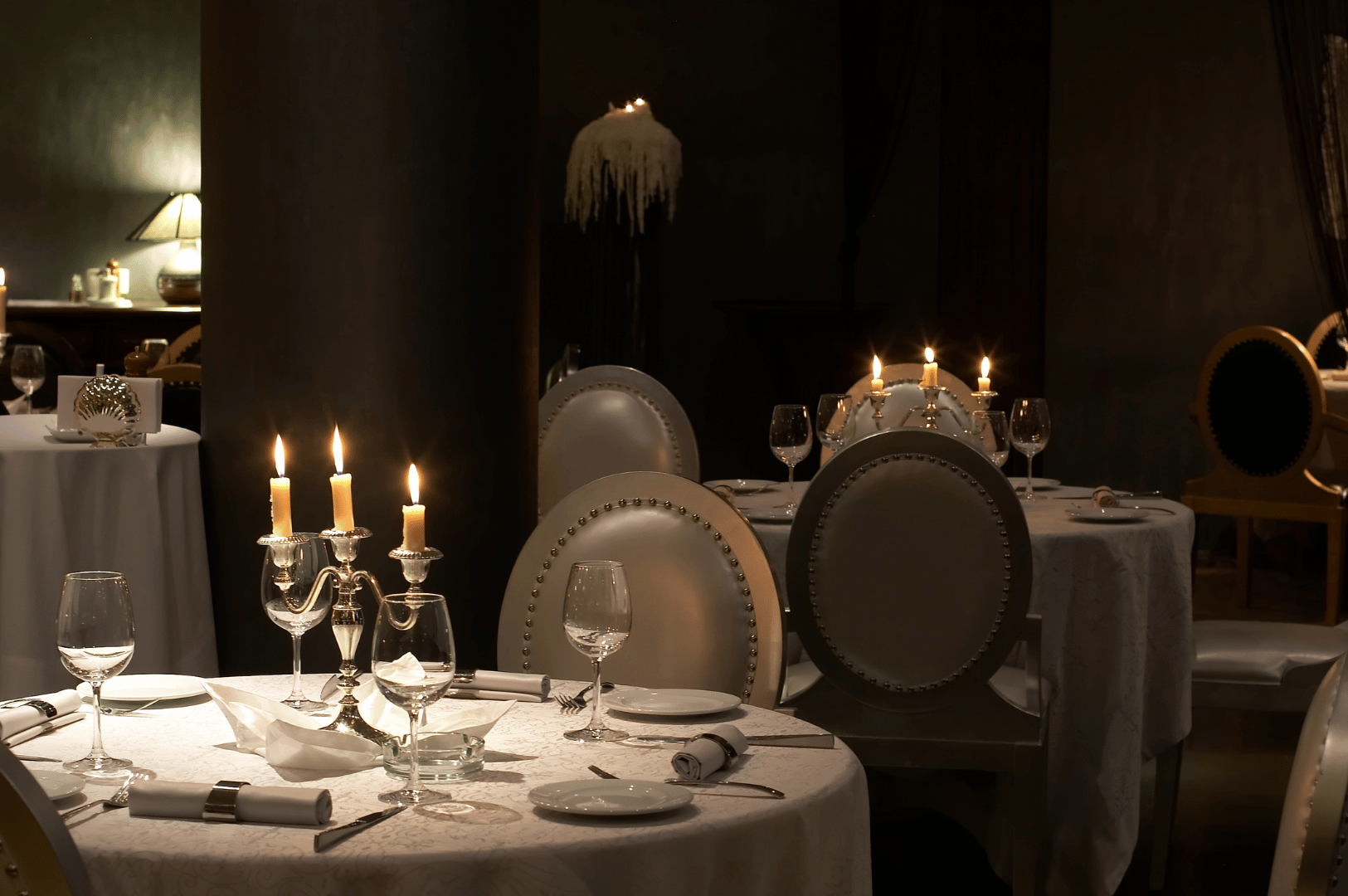
These michelin starred restaurants matter to photographers beyond food styling. Each venue creates a unique atmosphere—intimate lighting, ritualistic service, ephemeral artistry. Experiences vary greatly, with the best dishes lasting seconds before consumption and service moments happening in peripheral vision. The atmosphere defines the restaurant and can only be felt, never fully described.
What is the Michelin Guide Singapore? Understanding the Bib Gourmand and Michelin Selected Awards
Launched in 2016 as the first michelin guide in Southeast Asia, the Singapore edition introduced Michelin’s standards to a diverse culinary landscape. The guide evaluates restaurants based on five criteria: ingredient quality, cooking technique mastery, the chef’s personality expressed through cuisine, harmony of flavours, and consistency across visits.
The michelin guide singapore recognizes restaurants with one to three michelin stars, bib gourmand selections for value-for-money dining, michelin selected venues showcasing culinary diversity, and the green star for sustainability. By the ninth edition in 2025, it featured 42 michelin starred restaurants, many located in Orchard, 89 bib gourmand establishments, and 157 michelin selected venues. Notable restaurants include Summer Pavilion, Ma Cuisine, Saint Pierre, and Restaurant Labyrinth. Some venues feature dedicated bar areas enhancing the dining experience. Awards mark milestones such as first star, one star, two stars, and three stars. International influences from Paris, Tokyo, and Japan inspire Singapore’s Michelin scene.
The success of these restaurants depends on the dedicated team, including the helm (head chef), sous chef, and staff who uphold standards. Notable dishes, such as Restaurant Labyrinth’s reinterpretation of local classics, set these establishments apart.
Singapore’s Michelin Guide SG Story: Heritage, Evolution, and Identity Through Imperial Treasure and Ma Cuisine
Singapore’s michelin guide journey mirrors the nation’s broader cultural narrative. Since the 2016 debut, when hawker stalls Hill Street Tai Hwa Pork Noodle and Hong Kong Soya Sauce Chicken Rice & Noodle became the world’s first street food vendors awarded michelin stars, Singapore has celebrated its democratic food culture.
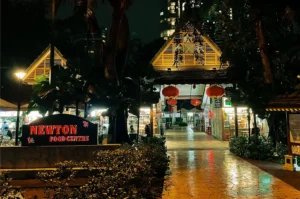
The contrast between humble hawker stalls—with fluorescent lighting and plastic furniture—and traditional fine dining aesthetics posed unique challenges for photographers aiming to convey excellence in unconventional spaces.
As the michelin landscape grew to 42 starred restaurants, it reflects Singapore’s full culinary spectrum—from $2 hawker dishes to $680 omakase experiences—illustrating cultural inclusivity and influencing visual documentation. The dedicated teams behind these restaurants are crucial to their recognition.
Cultural Significance of Michelin Guide SG Spaces: Architecture, Ritual, and the Green Star Commitment
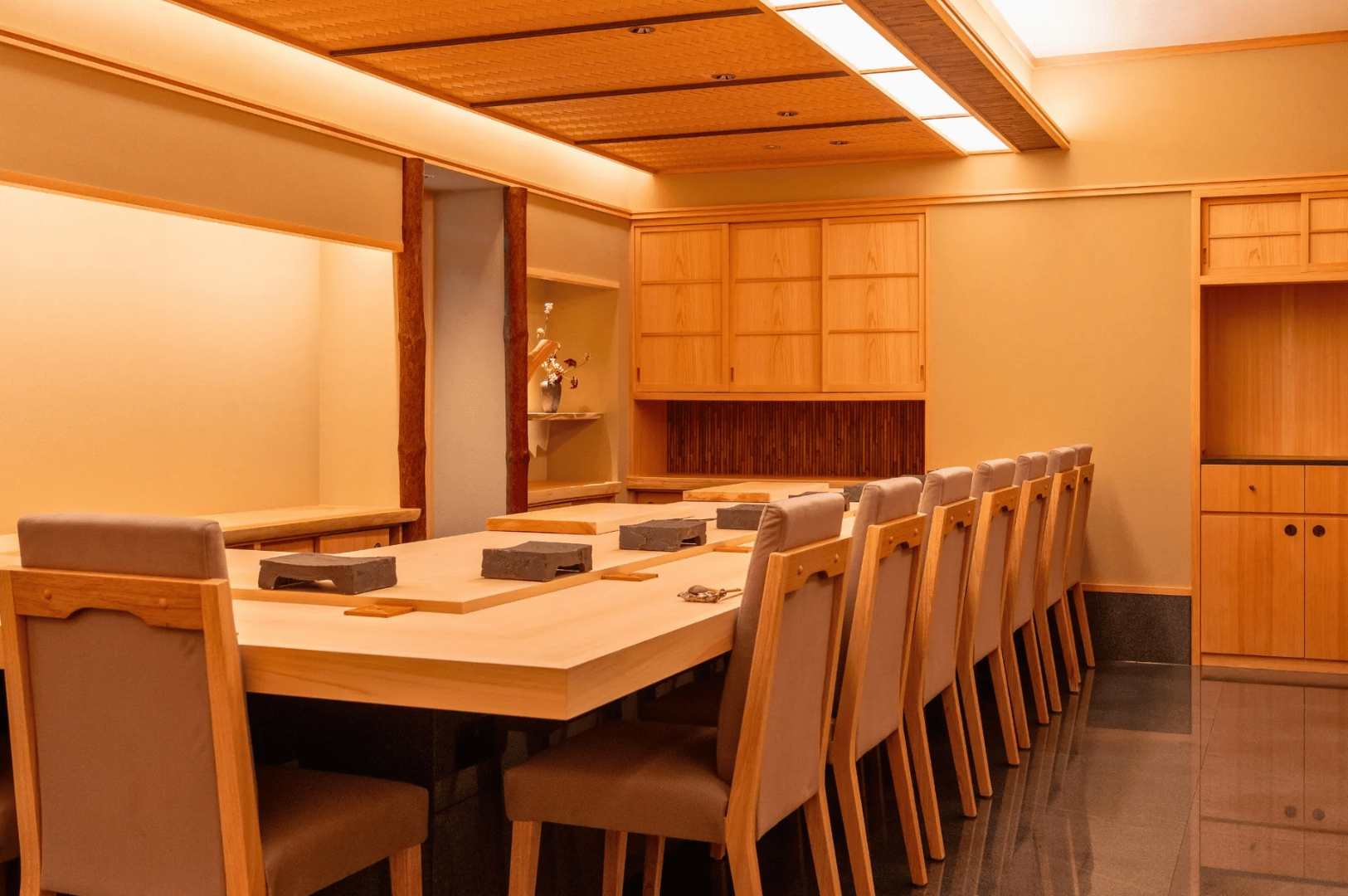
Singapore’s Michelin starred restaurants embody heritage, adaptation, and cultural fusion through their distinctive spaces. From Orchard’s prestigious addresses and colonial bungalows like Buona Terra to heritage shophouses housing three-starred Zen, these venues blend preservation with innovation. Notable restaurants such as Summer Pavilion, Ma Cuisine, Saint Pierre, and Restaurant Labyrinth each tell unique architectural stories influenced by international cities like Paris and Tokyo. Many feature bar areas enhancing the guest experience.
Materials like Sushi Sakuta’s 200-year-old cypress counter symbolize tradition and craftsmanship. The culinary team, led by the helm and supported by the sous chef, ensures harmony between design and service.
Settings like Pangium in Singapore’s UNESCO World Heritage Botanic Gardens combine natural and built environments, creating unified experiences. Signature dishes often reflect these architectural inspirations. Photographers capture how design shapes atmosphere, lighting, and the choreography of service to convey the dining experience’s mood and intimacy.
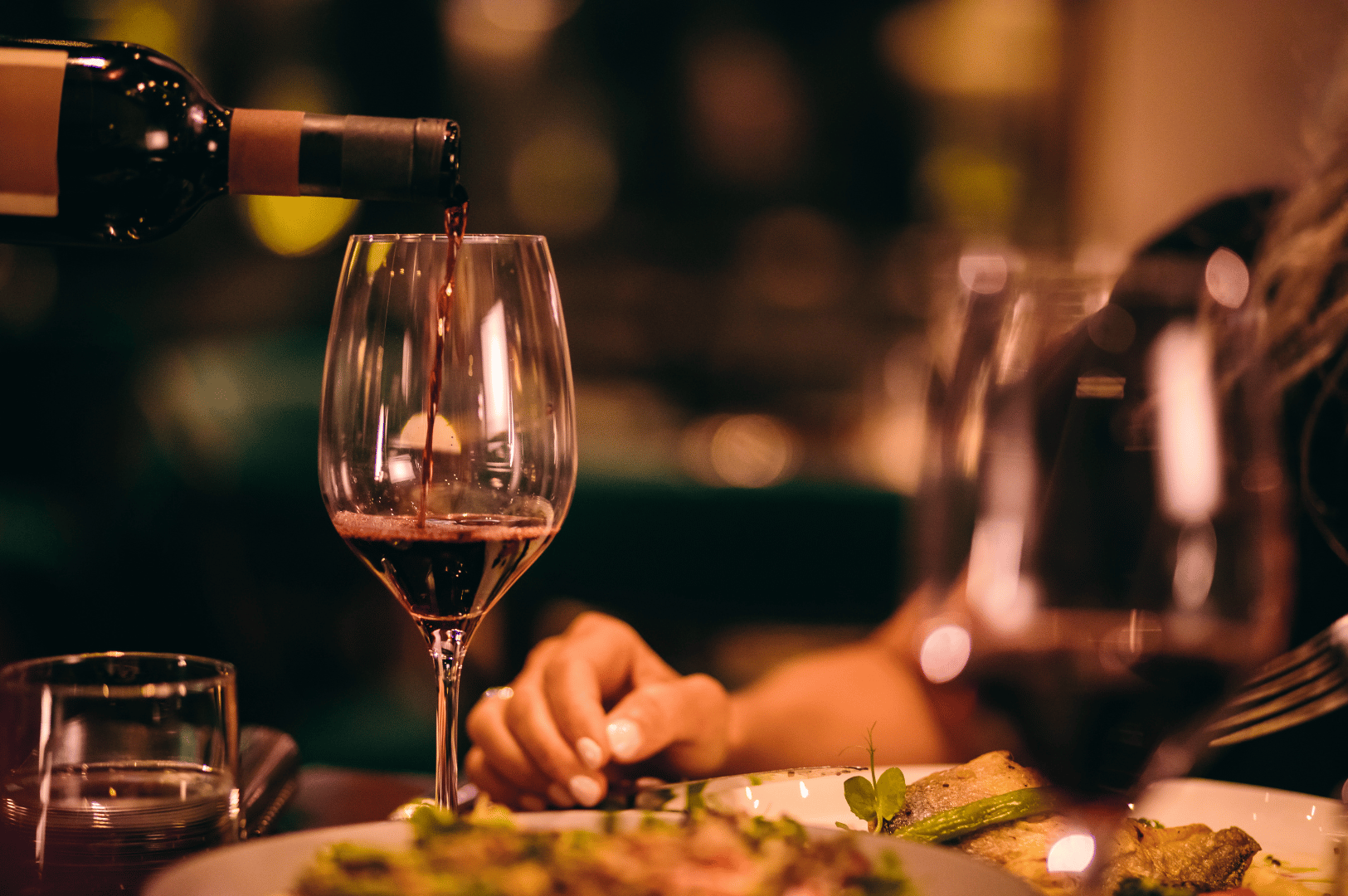
Service choreography in michelin starred restaurants is a precise performance. The helm leads, supported by the sous chef, as servers move quietly with timed wine pairings and course arrivals. These rituals unfold in controlled settings with lighting and acoustics designed to enhance the experience. Photographers document this craft and respect, balancing intimacy and discretion.
At Omakase @ Stevens’ 10-seat sushi counter, young chef Kazuki Arimoto’s philosophy shapes a visual story through each omakase course. Dim, warm lighting creates an intimate atmosphere, challenging photographers to capture contrast and mood without disruption. Venues like Odette, Sushi Sakuta, and Raffles Hotel each have distinct lighting styles that reflect their identity, guiding photographers in their approach to authentic visual storytelling.
Documenting Michelin Guide Experiences: Photography as Preservation of Singapore’s Best Restaurants and Their Stories
A. Capturing the Ephemeral: From First Star to Green Star Moments
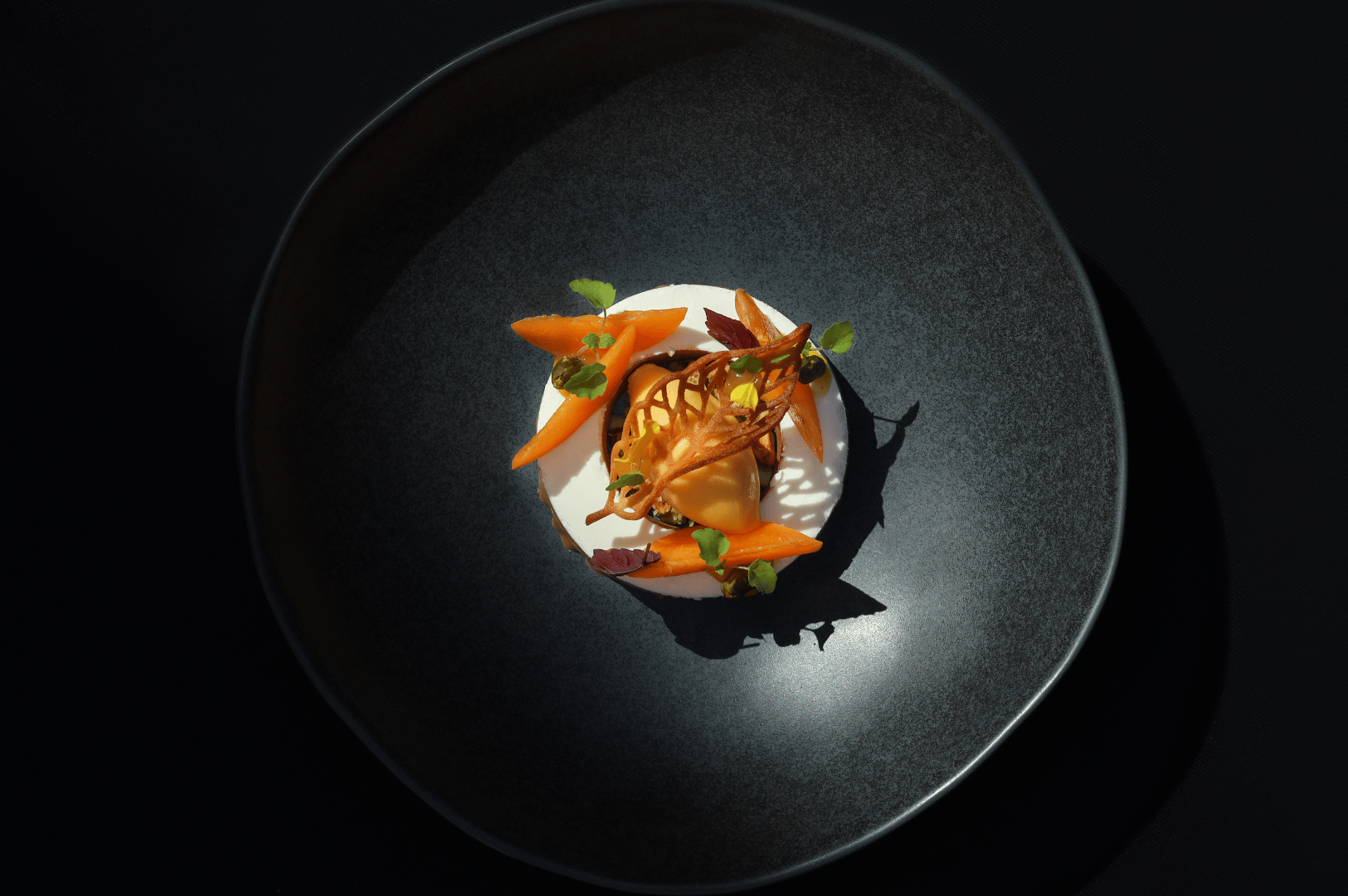
Michelin starred dining’s most compelling aspects are fleeting. Plating artistry lasts seconds; seasonal ingredients and cultural presentations change. Documentation is urgent and valuable.
Photographers become cultural preservationists, recording techniques, presentations, and moments otherwise existing only in memory. They must anticipate moments while working unobtrusively.
Behind each moment is a dedicated team, with the helm guiding culinary direction and the sous chef supporting operations. Notable dishes exemplify excellence and merit documentation.
Seasonal menu changes add preservation value, illustrating how michelin starred restaurants serve as repositories of cultural knowledge and innovation.
Documenters must understand why moments matter culturally. Documenting heritage fine teochew cuisine involves grasping cultural significance within contemporary contexts.
B. The Challenge of Low-Light Fine Dining Photography in Michelin Guide SG Venues
Ambient lighting in michelin starred restaurants creates technical challenges. Flash is prohibited to preserve atmosphere and respect diners.
Restrictions also limit tripods, camera movements, and setup times. Photographers work handheld, efficiently and quietly, maintaining technical standards. Specialized equipment and technique are essential.
The helm manages ambiance and documentation balance, preserving atmosphere while allowing quality imagery.
Maintaining texture, colour fidelity, and mood demands knowledge of camera performance at high ISO, lens effects on depth of field, and post-processing that preserves natural atmosphere.
Successful photographers pre-plan compositions, understand lighting patterns, and build relationships with staff for smoother sessions.
C. The Midnight Food Photographer: A Case Study in Documenting Michelin Guide SG Excellence
The Midnight Food Photographer specializes in atmospheric, after-dark documentation of michelin starred venues. Their work shows photography as cultural preservation, treating venues as unique environments for thoughtful visual interpretation.
This requires technical mastery in low light and artistic sensitivity to mood and cultural significance. Collaboration with the helm ensures images reflect the restaurant’s vision and standards.
They work within constraints, avoiding disruptive lighting or equipment, creating authentic images that meet professional standards.
Their work supports marketing, cultural documentation, and artistic interpretation, helping viewers understand these spaces beyond dining.
D. Photography as Archival Work: Preserving Singapore’s Michelin Guide SG Legacy
Restaurants preserve cultural information beyond venue photography. Images capture technique lineage, chef philosophies, and cultural influences shaping modern presentations.
Documenting the team, including helm and sous chef, highlights collaboration maintaining excellence.
Chef philosophies become visible through documenting work processes, ingredient choices, and plating. Capturing Kirk Westaway’s approach at Jaan preserves intellectual and creative heritage.
Photographers must understand broader cultural contexts: how dishes reflect multicultural heritage, trade, and immigration.
Dining room evolution and design documentation serve as historical records for future research, showing how Singapore’s culinary landscape develops.
Icons of Excellence in Michelin Guide SG: Les Amis, Kirk Westaway, Saint Pierre, and Singapore’s Best Restaurants
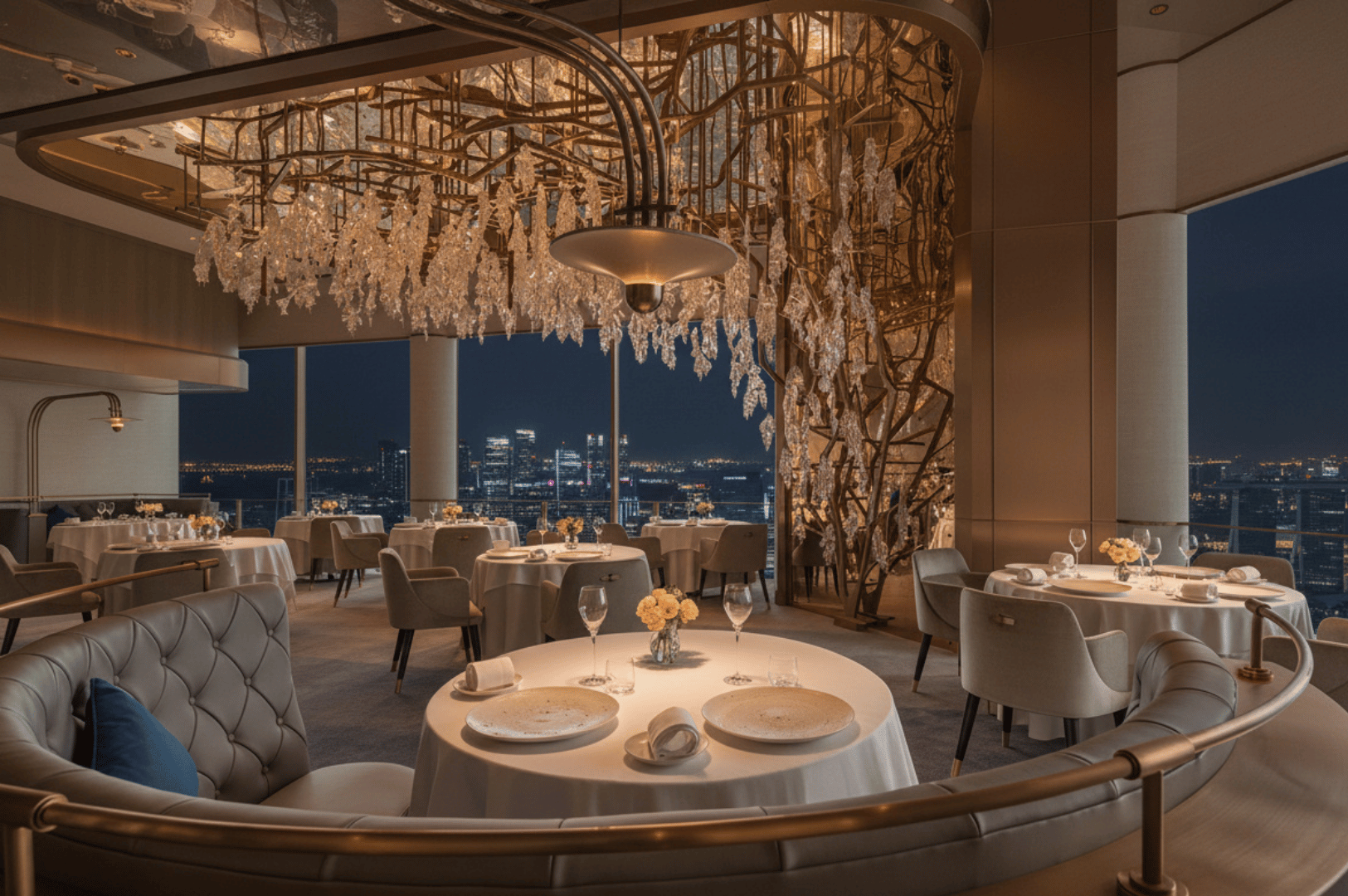
Singapore’s culinary landscape is a sanctuary of refinement, where Michelin starred establishments like Les Amis, Odette, Zen, Saint Pierre, and Jaan by Kirk Westaway blend craftsmanship, heritage, and innovation into intimate, meditative dining experiences. Led by visionary chefs such as Sebastien Lepinoy and Julien Royer, these sanctuaries transcend mere dining to become cultural repositories, balancing global recognition with serene intimacy. The Michelin Guide Singapore captures this delicate interplay, documenting a vibrant tapestry of fine teochew cuisine, modern French, and innovative creations across all the restaurants. Upholding Michelin’s five criteria, the guide remains an essential archive celebrating Singapore’s culinary heritage, inspiring chefs, and guiding diners to discover the city’s best restaurants with quality, taste, and atmosphere at its core.
Whether you are searching for a memorable dining experience or looking to eat at one restaurant that exemplifies Singapore’s culinary excellence, this guide provides an invaluable account of the city’s gastronomic treasures. And if you are looking for an interesting food journey beyond the Michelin guide, you can also explore our top picks from the Midnight Eatery Guides, designed to capture your interest and satisfy your taste buds.

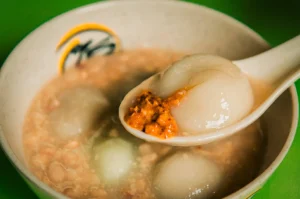
The Last Sweet Bowl: Photographing 75 Ah Balling Peanut Soup After Dinner
Sarah Teh | October 22, 2026
The steam went up before I was ready for it. I had my camera against my chest, waiting, and the vendor lifted the ladle without warning. Warm vapour curled off the surface of the peanut soup and caught the fluorescent tube overhead. I raised the lens and pressed the shutter, but the moment had already…
-
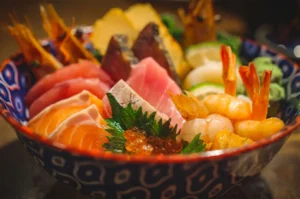
Best Chirashi Don Singapore: Fresh Sashimi Bowls from Daylight to City Lights
Sarah Teh | October 21, 2026
The city cools slowly after sunset. The neon signs warm up, and the crowds thin into something quieter. This is the hour when a bowl of fluffy Japanese rice topped with cold raw fish starts to make sense. Not the flash of a grill or the roar of a wok, but something still. Cubed sashimi…
-
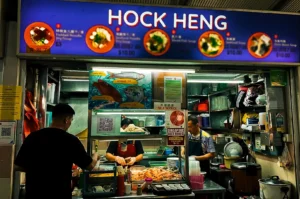
The 3AM Bowl: Why Hock Heng Fish Soup Feels Different Before Sunrise
Sarah Teh | October 21, 2026
The steam rose before the light did. I stood with my camera lowered, watching a hand lift a ladle over the pot, waiting for the moment the vapour would catch the fluorescent tube overhead. It came in a slow curl, thin and pale, drifting up past the vendor’s wrist. Then the fish slices went in….
-
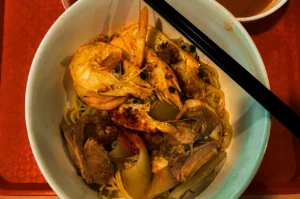
Prawns Beneath Fluorescent Light: A Late Shoot at ONE.85 Big Prawn Mee
Sarah Teh | October 15, 2026
The broth was the reddest thing in the stall, and the light was doing its best to kill it. It was past eleven at ONE.85 Big Prawn Mee, and I had been standing at the counter for a while, camera down, watching the uncle work the pot. He lowered a metal basket of noodles into…
-
Discover the Flavors of Issho Izakaya: A Complete Review and Menu Guide
Sarah Teh | October 14, 2026
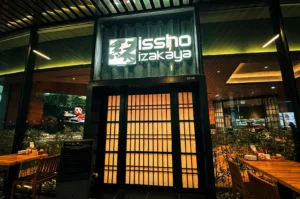
As the office towers empty, Issho Izakaya at Marina One fills with diners. Located at #01-14, 5 Straits View, West Tower, Singapore 018935, this contemporary Japanese izakaya offers a warm, inviting space at the heart of the CBD. Issho means “together“ reflecting its focus on shared plates, communal dining, and a cozy atmosphere with both…
-
A Bowl That Only Makes Sense at Night: Chai Chee Pork Porridge at Bedok 85
Sarah Teh | October 8, 2026
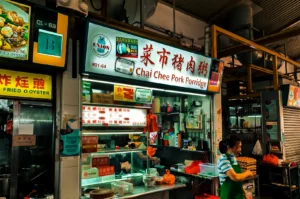
The steam was the first thing I lost. It was well past midnight at Bedok 85, and I had been standing at Chai Chee Pork Porridge for a while, camera down, watching the auntie work the pot. She lifted the ladle, let the porridge fall back in a slow white ribbon, then lifted it again….
-
Gochi-So Shokudo: Discover This Japanese Comfort Food Spot For Your Night Food Crawl
Sarah Teh | October 7, 2026
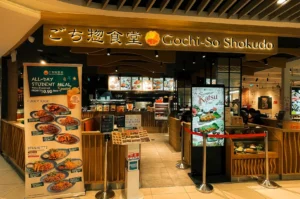
Comfort food rarely announces itself. It waits in a mall corridor, somewhere between a shoe shop and an escalator, holding the smell of grilled pork and warm rice until you slow down enough to notice. That is where you find Gochi-So Shokudo ご, also known as ご ち 惣 食堂. Not a place chasing attention….
-
Oil, Oyster and Broken Light: Photographing Bedok North Fried Oyster at 1am
Sarah Teh | October 1, 2026
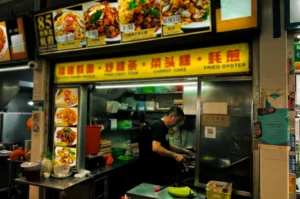
The first thing I noticed was the light. It was not the kind of light a photographer usually looks for. The fluorescent tubes above the stalls at 85 Fengshan Centre cast a pale, uneven glow across the tables, flattening some colours while exaggerating others. But at 1am, standing in front of the fried oyster stall…
-
When the City Goes Quiet, XO Minced Meat Noodles Begin
Sarah Teh | September 30, 2026
The last bus has gone. Newton Food Centre keeps a few lights on. I walk in past shuttered stalls, chairs stacked, floors still wet from a mop. Then I hear it: the scrape of a ladle, the low hiss of a pot. At 500 Clemenceau Ave N, #01-10, one stall is awake. XO Minced Meat…
-
Fire, Lime and Chicken Wings: A Night with Sin Bedok North BBQ
Sarah Teh | September 24, 2026
The wings went on before I found my angle. It was close to midnight at Bedok North, and I had been standing at Sin Bedok North BBQ for a while, camera down, watching the wings land on the grate in a neat row. The uncle laid them out without looking, the way you do a…