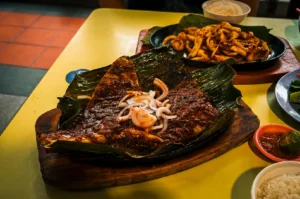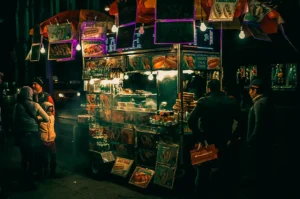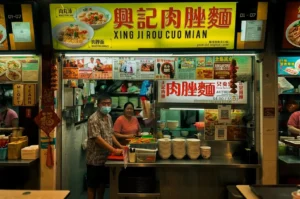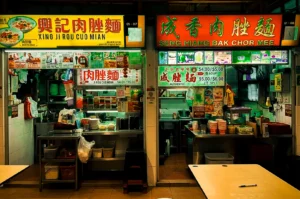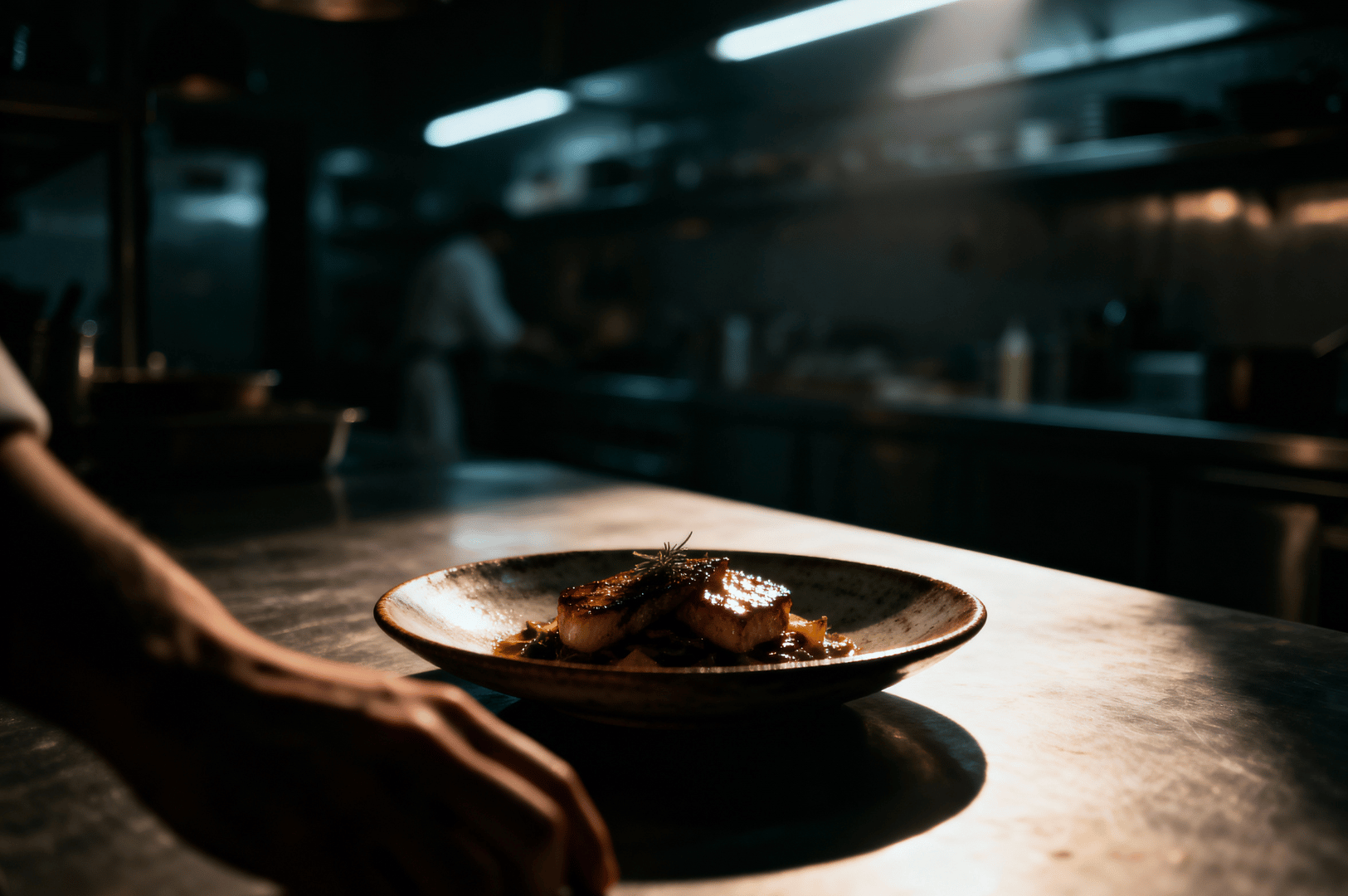
Most food photographers chase the light. They seek bright, airy scenes with soft, even illumination to make food look fresh and appealing. But after the sun goes down, or on a dark and moody day, a different kind of magic emerges. I've learned to stop chasing bright light and start embracing the darkness. The secret to truly dramatic food photography, especially in low light, isn't about creating brighter images—it's about controlling shadows. This is where moody food photography comes to life, and contrast becomes your most powerful tool.
Shadows create a moody atmosphere, depth, and mystery. They guide the viewer’s eye, highlight texture, and carve a subject out from its surroundings. In creating food images with a dark and moody look, a well-placed shadow tells as much of the story as a highlight. It transforms a simple meal into a compelling, dramatic scene.
This detailed post will walk you through the photography tips needed to master contrast and create beautiful images after dark.
The Power of a Single Light Source
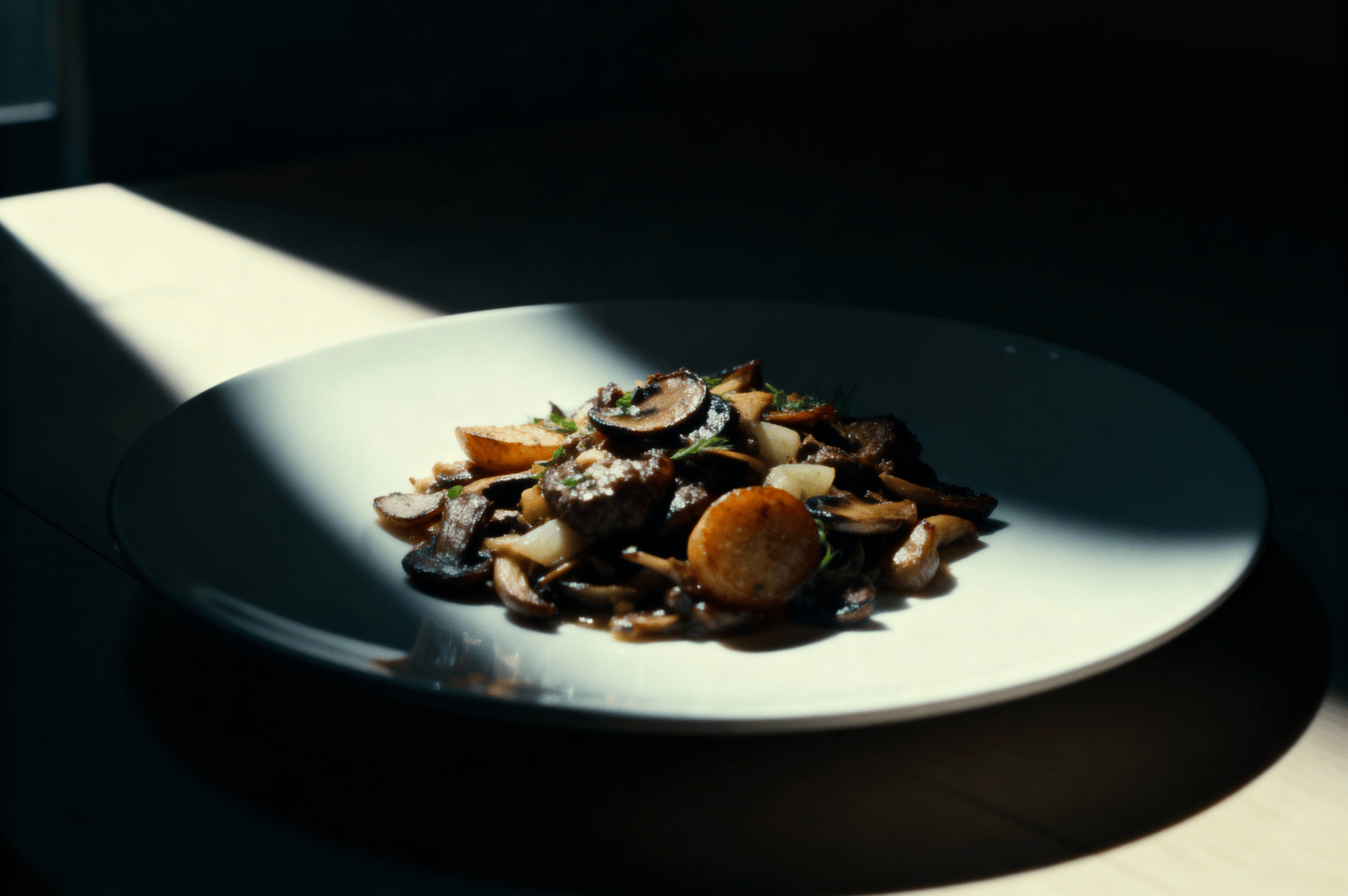
The key to creating intentional deep shadows is understanding directional lighting. For dramatic food photos, you often only need one strong light source. Think of your light as a paintbrush. The direction from which the light is coming determines the shape, length, and hardness of the shadows it creates on your subject.
Whether you're using natural light from a single window or a small artificial light source, the principle is the same. Side light is your best friend. By placing your light to the side of your dish, you create beautiful, cascading shadows that reveal every detail. This technique gives food a three-dimensional quality, making the texture look so real you could almost feel it. You have to learn to manipulate light, not just accept it as it is.
Embracing a Moody Atmosphere
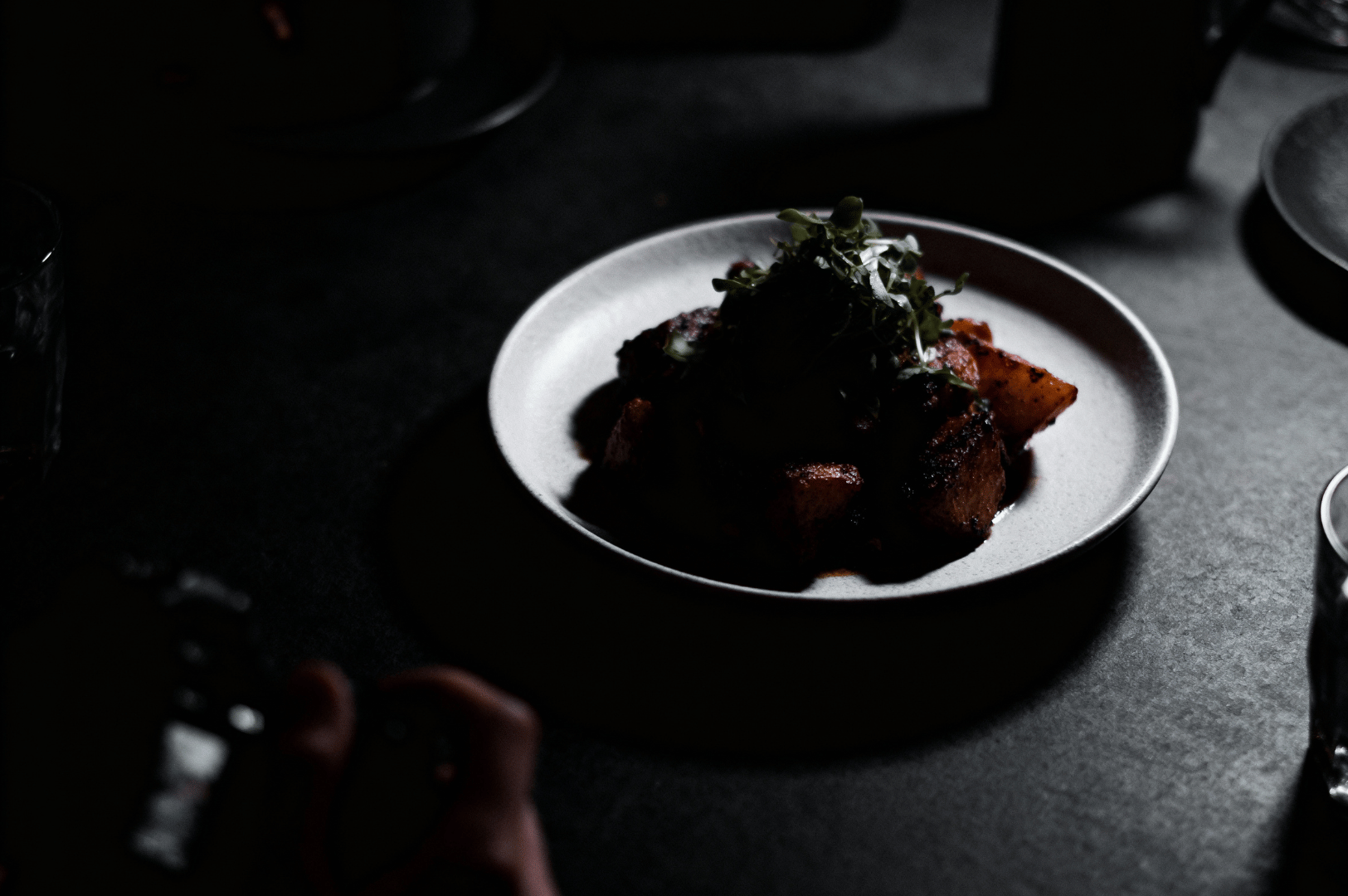
Shadows are more than just dark areas; they are an active element in your composition. In moody food photography, the darkness surrounding your dish is just as important as the dish itself. Instead of trying to fill the entire frame with light, allow the shadows to create pockets of negative space.
This technique simplifies the composition, removing distracting props and forcing the viewer's eye directly to the illuminated part of the food. It also builds atmosphere. Dark backgrounds can suggest an intimate late-night setting or a cozy corner, adding a narrative layer to your photo. Don't be afraid to let a significant portion of your frame fall into complete blackness. Let the shadows play their part in your story.
The Practical Setup for a Dark and Moody Look
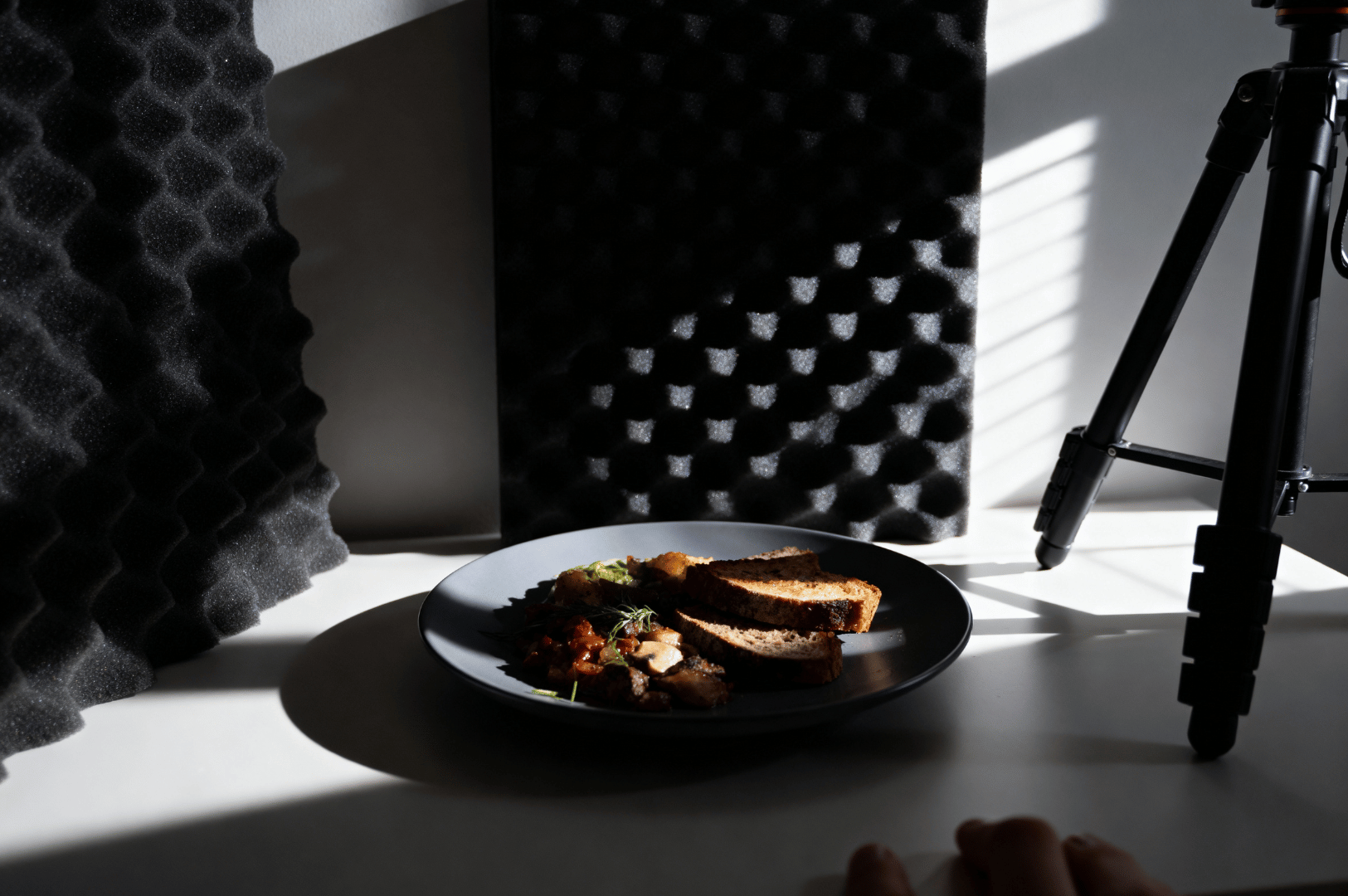
You don’t need a lot of complicated gear to shoot food in this style. My kit is designed to be simple and portable.
- One Light Source: This could be natural light from a window or a small, dimmable LED panel for artificial light. A constant light source is often better than a flash because you can see exactly how the shadows fall as you move it.
- A Tripod: Essential for low light photography. It keeps your camera steady, preventing camera shake and allowing you to use a slower shutter speed for a clean exposure without needing a higher ISO.
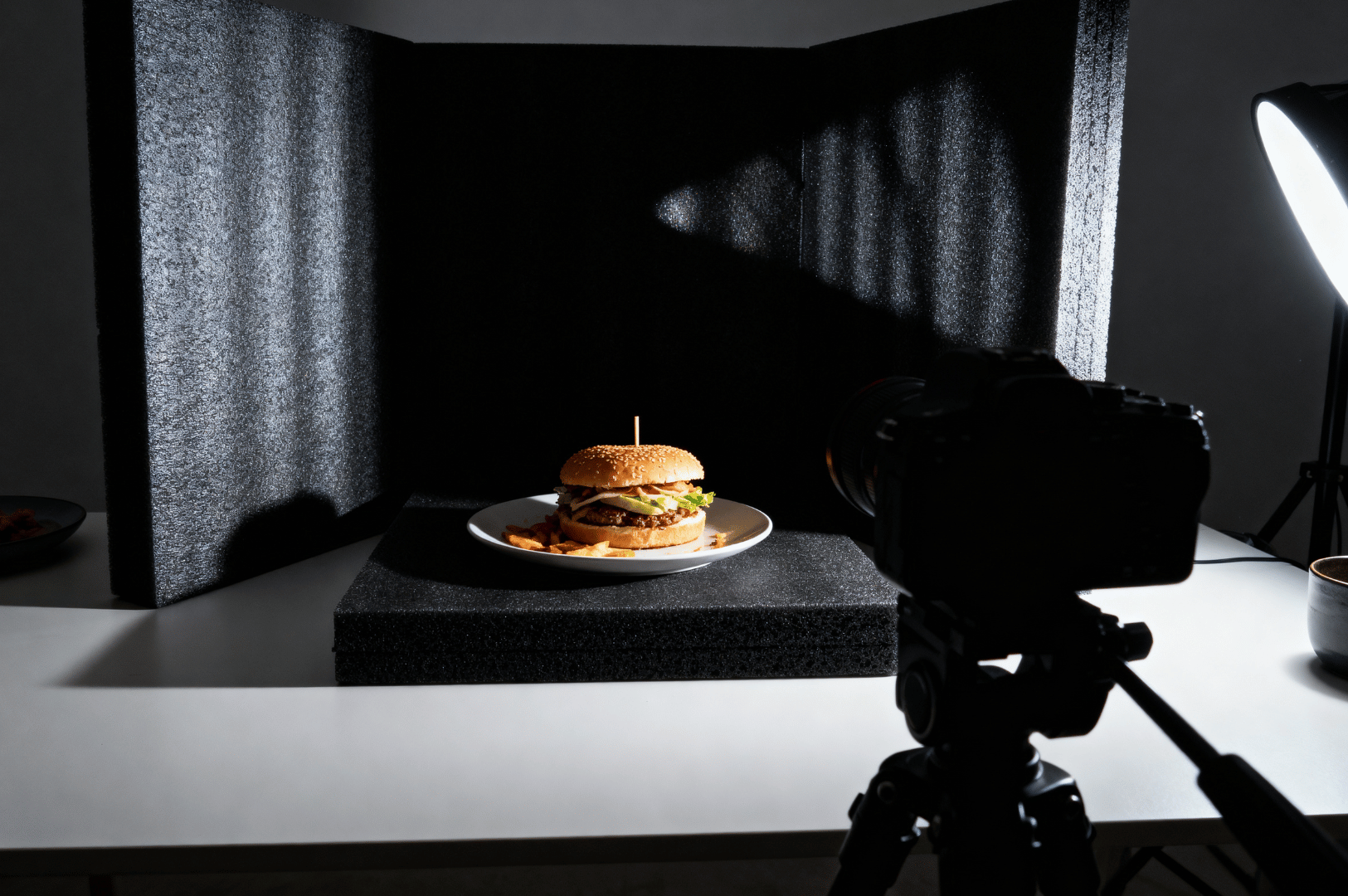
- A Black Card: A piece of black foam core is perfect. While a white card bounces light to soften shadows, a black card placed opposite your light source will absorb light and deepen the shadows, increasing contrast.
Setup Steps:
- Place your subject on a table, often with dark backgrounds or surfaces.
- If using artificial light, turn off all ambient light to gain complete control.
- Position your light source to the side. Watch how the shadows change as you move the light.
- Place the black foam core on the brighter side, opposite the light, to absorb any bounce and intensify the shadows. Adjust until you have a composition that feels balanced and moody.
Editing for Maximum Drama in Post-Production
Post-production is where you can refine and enhance the contrast you created in-camera.
- Increase Contrast: Start by gently increasing the global contrast slider in your editing software.
- Deepen the Blacks: Use the "Blacks" slider to make the darkest parts of your image even darker. This makes your highlights pop and reinforces the dark and moody atmosphere.
- Dodge and Burn: Manually paint light (dodge) and shadows (burn). Use a radial filter to create a subtle vignette, darkening the edges of the frame to draw focus to the meal. This is a great way to guide the eye.
- Control Your ISO: When you shoot, aim for the lowest ISO your camera can handle to reduce noise. Modern cameras can handle ISO well, but a lower number always produces a cleaner image.
Final Thoughts
Mastering shadows is a transformative skill in food photography. It allows you to move beyond simply documenting a meal and start creating art. The next time you shoot, don't just hope for good light. Learn to control it. Embrace the shadows, play with contrast, and experiment. You will be surprised by the power and drama you can create in your food photos. I hope these ideas help you capture your own beautiful images.
For more tips on shooting in low light and fine-tuning your settings, check out this guide on low-light food photography. Continue your creative journey with Midnight Food Photography: The Secret Life of Restaurant Kitchens After Closing

Sambal in the Shadows: Shooting Chomp Chomp BBQ at Bedok 85
Sarah Teh | September 10, 2026
The smoke found me before the food did. It was close to midnight at Bedok 85, and I had been standing at Chomp Chomp BBQ for a while, camera down, letting my eyes settle. The uncle worked the grill with his back half turned to the crowd, a pair of tongs in one hand, the…
-
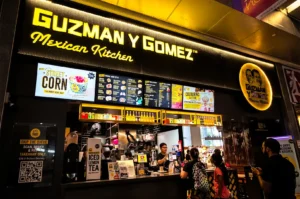
Guzman y Gomez Singapore: When The Lights Stay On at Orchard Gateway
Sarah Teh | September 9, 2026
Orchard Road empties from the top down. By a quarter to midnight, storefronts have started pulling their shutters, glass gone dark over displays that glowed all day. Escalators still run. A few people drift toward the Somerset MRT with shopping bags softened at the handles, while red tail lights smear across the wet glass outside….
-
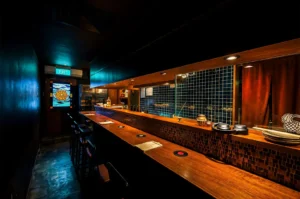
Apollon AM-Bar Review: Photographing an Intimate Izakaya in Orchard Plaza
Sarah Teh | September 4, 2026
Finding Apollon AM-Bar on the First Floor The first floor of Orchard Plaza’s dining oasis is quiet in that way old shopping centres go quiet at night. The bright shops of Orchard Road felt far away by the time I found unit #01-29. Inside, there isn’t much room. A counter, a handful of seats, staff…
-
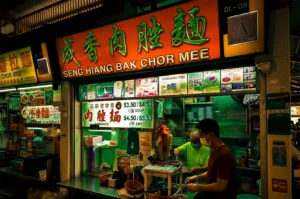
Waiting Beside the Soup Pot: Photographing Seng Hiang Bak Chor Mee at Midnight
Sarah Teh | September 3, 2026
The pot never stopped moving. It was near midnight at Bedok 85, and I had been standing at Seng Hiang for a while, doing more watching than shooting. The auntie worked the noodles in a wire basket, dipping them into the boiling water, lifting, shaking off the drops in three quick beats. She did not…
-
Night Market in Singapore Photography Guide: Capturing Street Food After Dark
Sarah Teh | September 2, 2026
It’s past eight, and the lingering heat warms the pavement. A grill flares beneath bare bulbs, smoke rising as a vendor fans the coals. Satay skewers sizzle, coins exchange hands, and the queue shifts, a fleeting moment in the vibrant night market in Singapore. Most visitors miss this dynamic scene. They arrive ready to photograph…
-
Steam Above the Orange Chopsticks: A Night at Xing Ji Rou Cuo Mian
Sarah Teh | August 27, 2026
The steam came up in one thin ribbon, and I almost missed it. It was near eleven at Bedok 85, and I had been standing at Xing Ji Rou Cuo Mian for a while, watching more than shooting. The uncle worked the noodles in a wire basket, dunking them into the boiling water, lifting, shaking…
-
Somerset Food by Night: Food Spots Open Until Midnight and Beyond
Sarah Teh | August 26, 2026
The malls close first. Restaurants dim their lights behind glass, chairs are stacked, and the daytime shopping crowds begin to leave Orchard Road. Somerset, which spends most of the day moving between lunch queues and retail floors, quietly becomes something else. I walk the streets around Somerset MRT Station with a camera after dark: down…
-
Two Bowls After Dark: Photographing Xing Ji and Seng Hiang at Bedok 85
Sarah Teh | August 20, 2026
It was past ten when I got to Bedok 85, and the steam was doing all the talking. Fong Seng was long shut by then, but the hawker centre still hummed. A few tables of men in singlets nursing beers. The clack of a wok somewhere behind me. And that particular fluorescent glare that flattens…
-
6ix 6ix: Framing a 24-Hour Sichuan Kitchen Hidden Along Cuppage Road
Sarah Teh | August 19, 2026
6ix 6ix After Midnight Cuppage Road goes quiet after the dinner crowds thin out. The shophouses along Cuppage Terrace dim, Cuppage Plaza rescinds into darkness, and the street holds only the low hum of a few late cars and the occasional figure walking home. Then there is 6ix 6ix, spilling warm light onto the pavement…
-
Stillness Amidst the Chaos: Finding the Quiet Moments in the Noise of Nightly Eats
Sarah Teh | August 13, 2026
The wok never stopped roaring. It was almost midnight at a zi char stall in Geylang, and the flames kept leaping up in short, angry bursts. Trays clattered. Someone shouted an order across the aisle. A cleaner dragged a bin past my chair. I sat there with my camera in my lap, waiting for a…