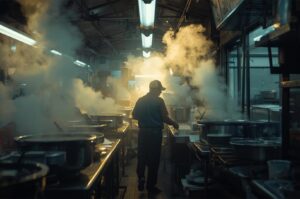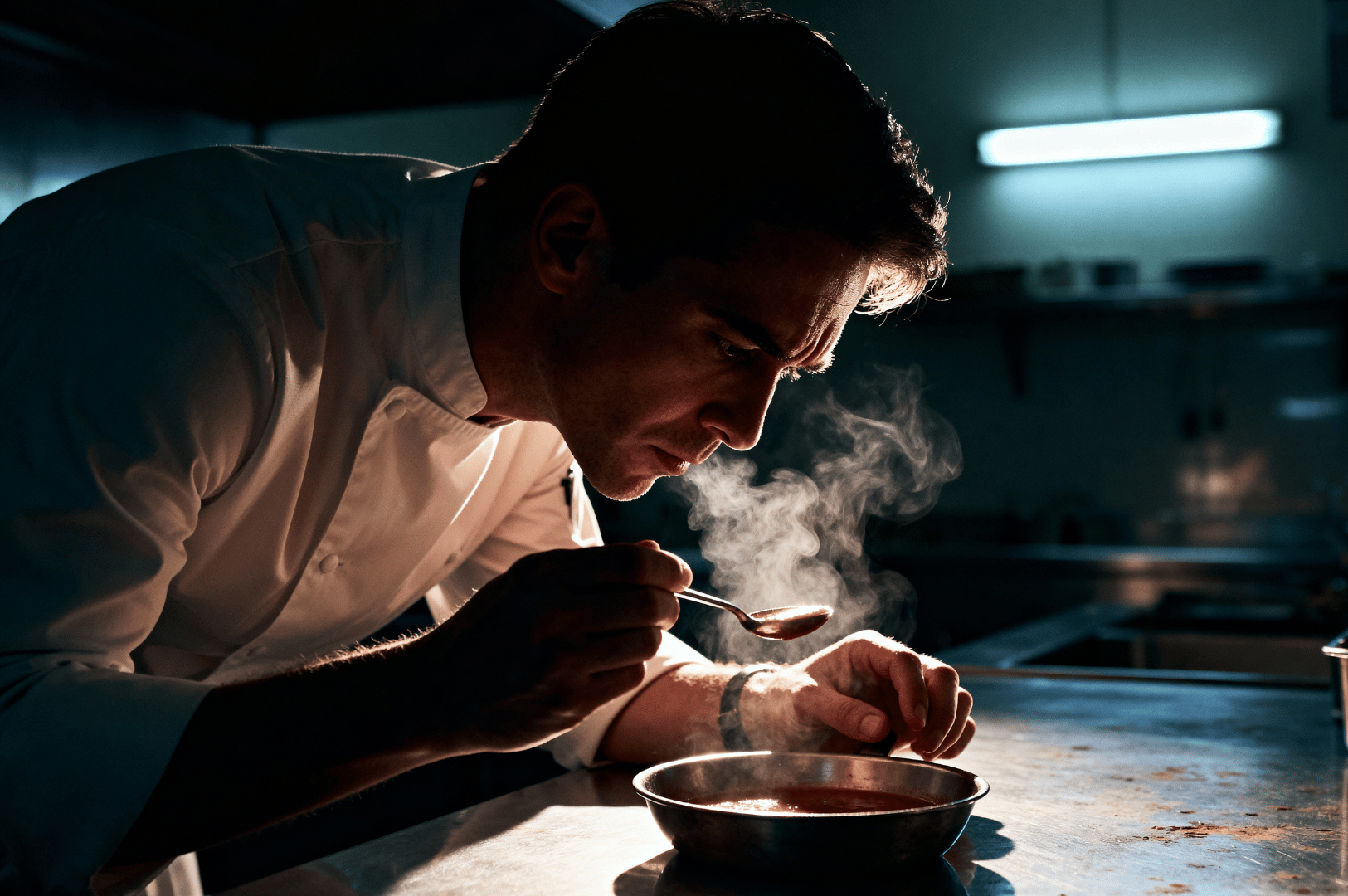
The kitchen closes. The last server clocks out, and the dining room succumbs to a deep, restful silence. As a photographer who specializes in capturing culinary scenes after dark, I’ve learned that the most profound moments don't happen during the frantic pace of service. They unfold in the quiet hours that follow, when a chef is free from tickets and timers. This is the heart of my work: capturing culinary creativity in its most authentic state.
Photographing a chef in their element is not about asking them to pose with a knife or smile over a perfectly plated dish. It’s an exercise in patience, a practice that requires you to become a silent observer in a sacred space. You must wait for the moment when the chef forgets you’re there. That is when the real magic happens. The thoughtful gaze as they taste a new sauce, the focused intensity of their hands arranging a delicate garnish—these are the moments that reveal the soul behind the food and create powerful chef portraits photography.
The Psychology of a Creative Space
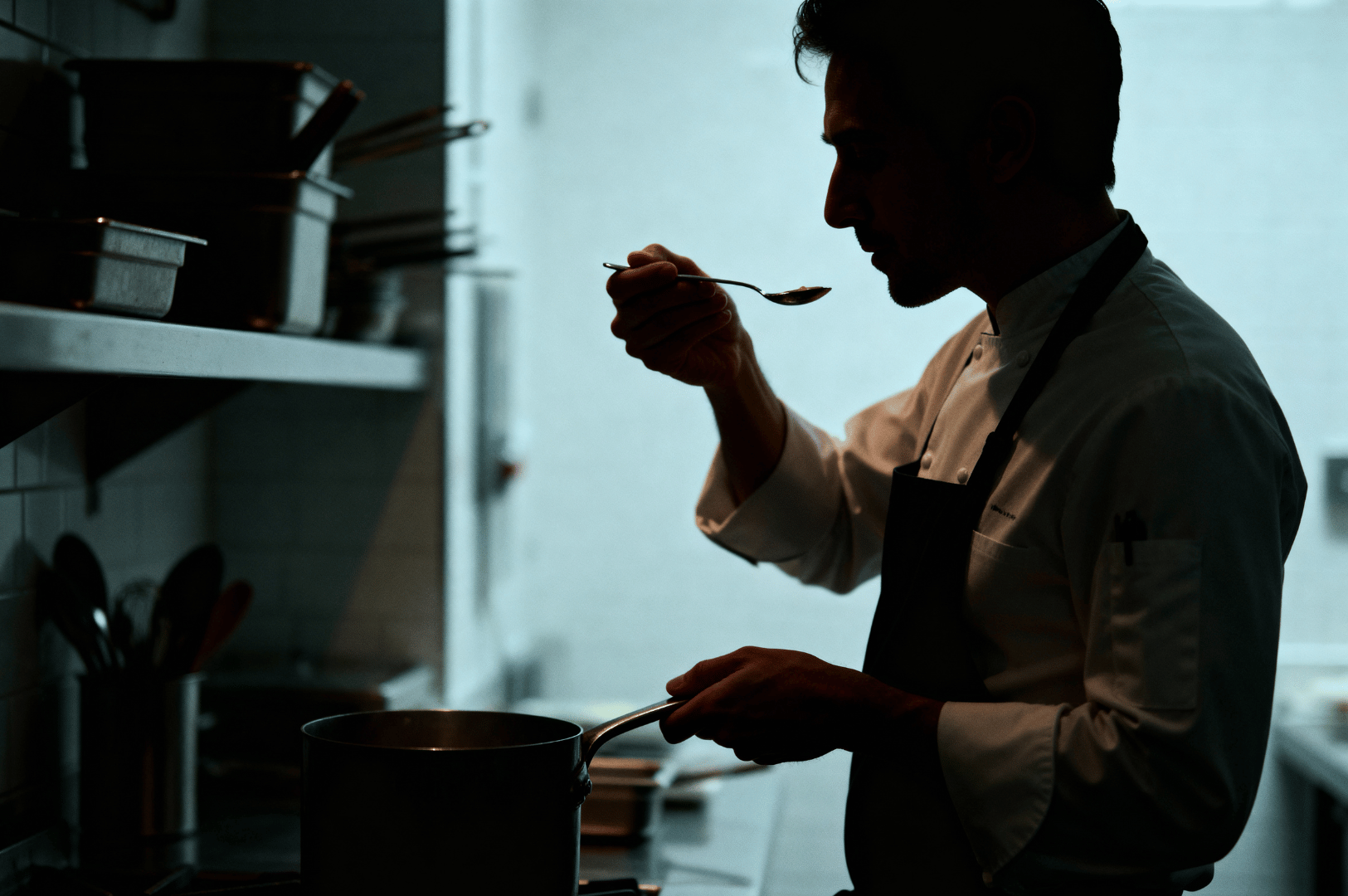
A kitchen after hours is a unique psychological landscape. The external pressures have vanished, replaced by an internal drive. This is where a chef’s creativity flourishes. They aren’t cooking for customers; they are exploring an idea for novel recipes, solving a puzzle, or reconnecting with the very reason they started to cook. My goal in these behind-the-scenes sessions is to showcase that internal dialogue.
To achieve this, you must first earn trust and then make yourself invisible. I spend the first hour just being present, often without my camera to my eye. I watch their rhythm and learn their movements. True chef portraits are not about the face, but about the process. The image should communicate a story of passion and focus. It’s about capturing the quiet confidence that comes from years of honing a craft, visible in something as simple as the way they hold a spoon. This understanding is key to this niche of photography.
Technical Challenges of Low Light Photography
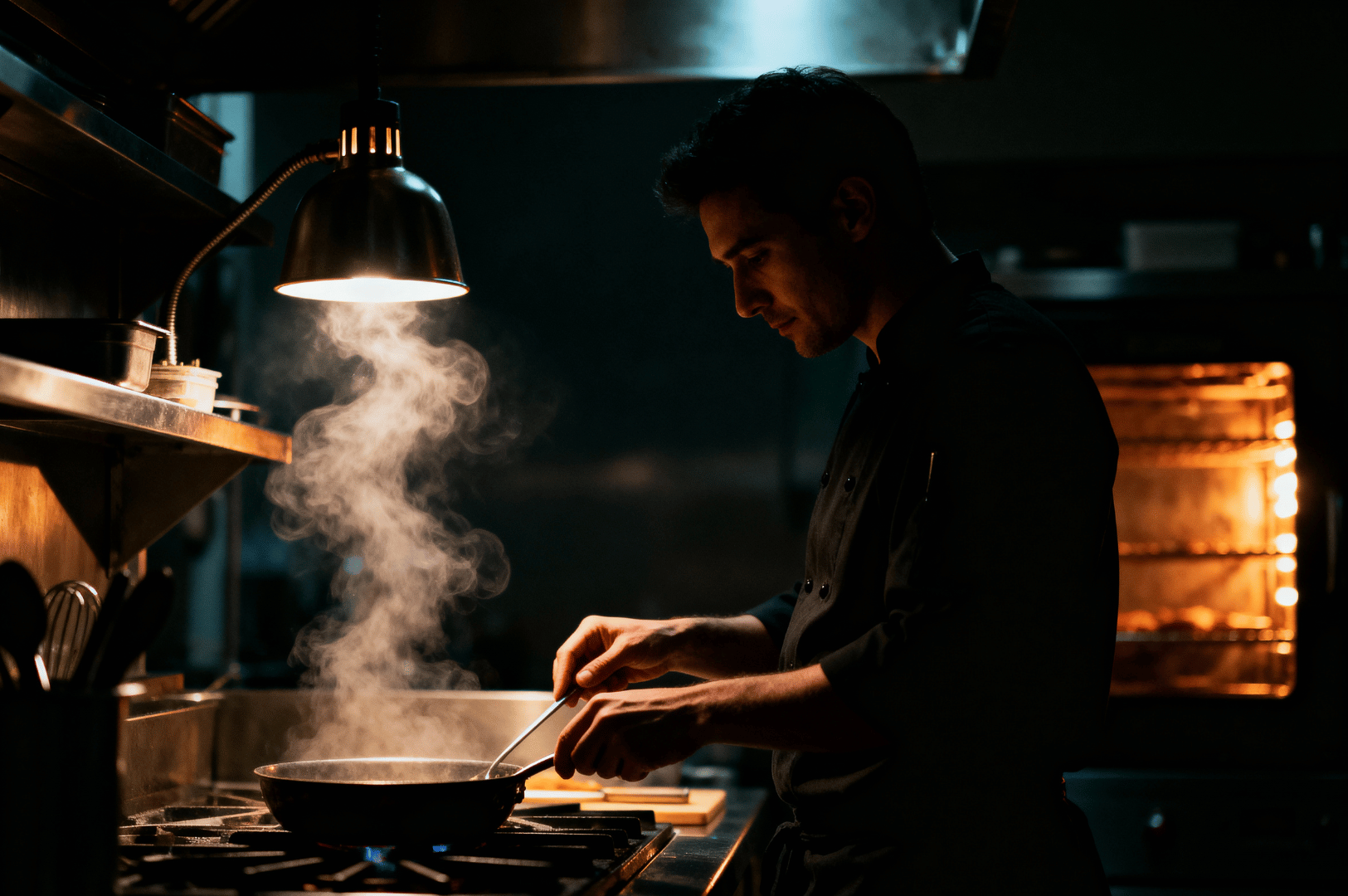
Of course, these environments are a technical minefield. The term "low light" is an understatement. Often, my only light source is a single prep-station lamp or the warm glow from an oven. This is where your technical knowledge becomes crucial.
Embrace a Fast Lens
- My bag almost always contains a 50mm f/1.4 lens. The wide aperture is essential for gathering every last photon of light, allowing me to keep my shutter speed just fast enough to freeze the subtle movements of a chef's hands without needing a tripod. It also creates a beautiful, soft background that isolates the subject.
Manual Camera Settings are Key
- In near-darkness, autofocus systems hunt and fail. I switch to manual focus almost exclusively. Your camera settings should be in full manual mode to control the exposure. You will inevitably need to push your ISO. I’d rather have a sharp image with a bit of grain, or noise, than a blurry one. Grain can add to the atmosphere; motion blur just ruins the shot.
Work with the Light
- Resist the urge to bring in bright, artificial light that kills the mood. Use the single light source to create dramatic shadows and contrast. Position yourself so the light highlights the texture of the food or the concentration on the chef’s face.
A Novel Approach to Capturing Culinary Creativity
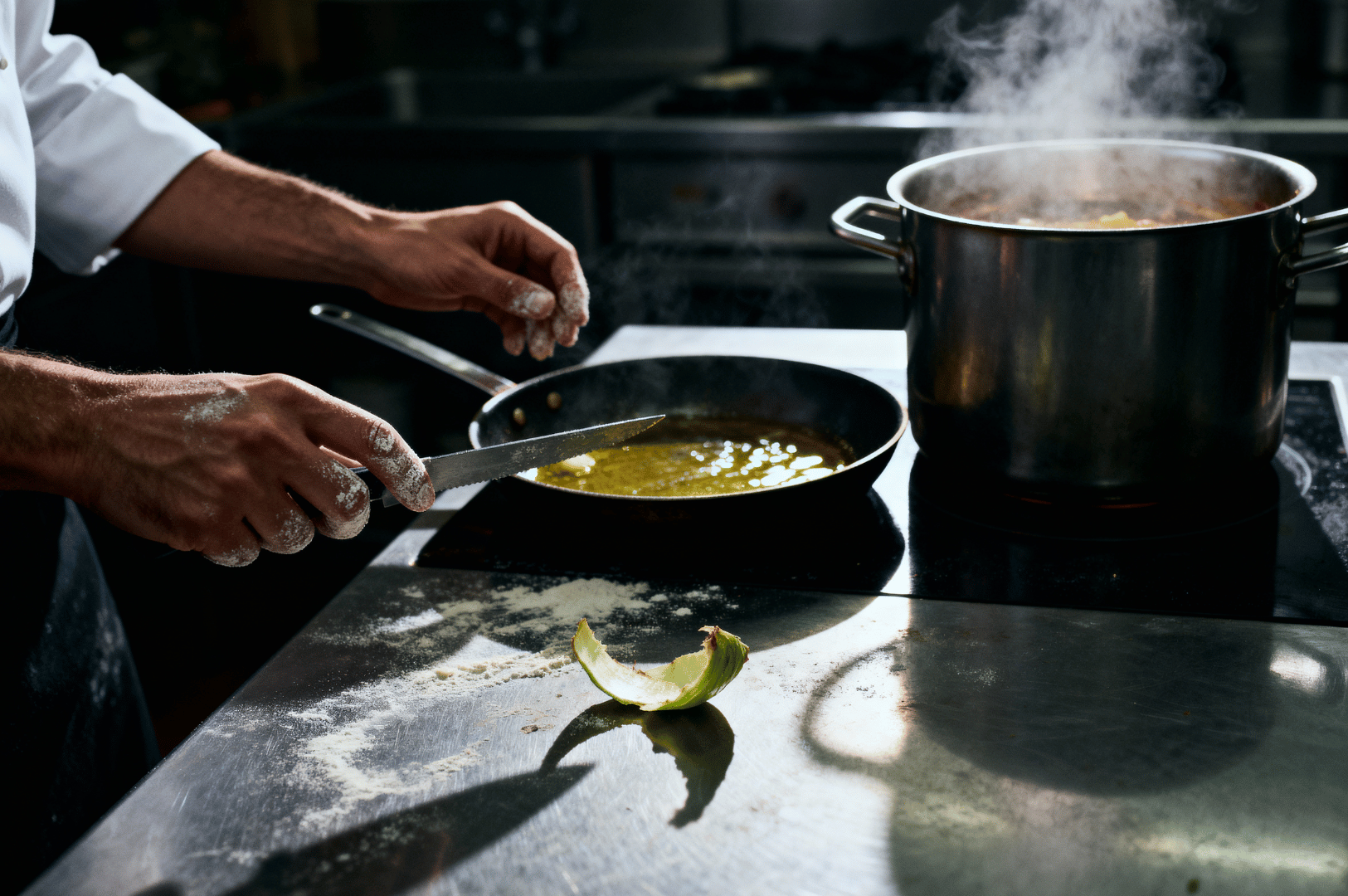
The goal of this style of kitchen photography is to capture life as it is. Resist the urge to clean up the scene or ask the chef to move into better light. The stray vegetable peel, the smudges on the stainless steel—these are not imperfections. They are artifacts of the creative process and add a layer of authenticity that cannot be staged. This novel approach is what separates a snapshot from a portrait.
The worlds of culinary arts and photography are closely linked. Both are about presenting something in a way that evokes a sense of desire. My study focused on how to best capture executive chefs in their element. One of the most effective techniques is to focus on details. A few tricks, like using the existing shadows to frame your subject, can enhance the end result.
This great post is designed to explain how you can contribute to this area of photography by taking a different path. Don't just shoot the final dishes; capture the journey. Document the experiment. Show the hard work that goes into creating the perfect balance of flavors. The end result will be a collection of images that are not just beautiful, but also deeply meaningful and helpful for anyone in the hospitality world, from hotel management students to food bloggers.
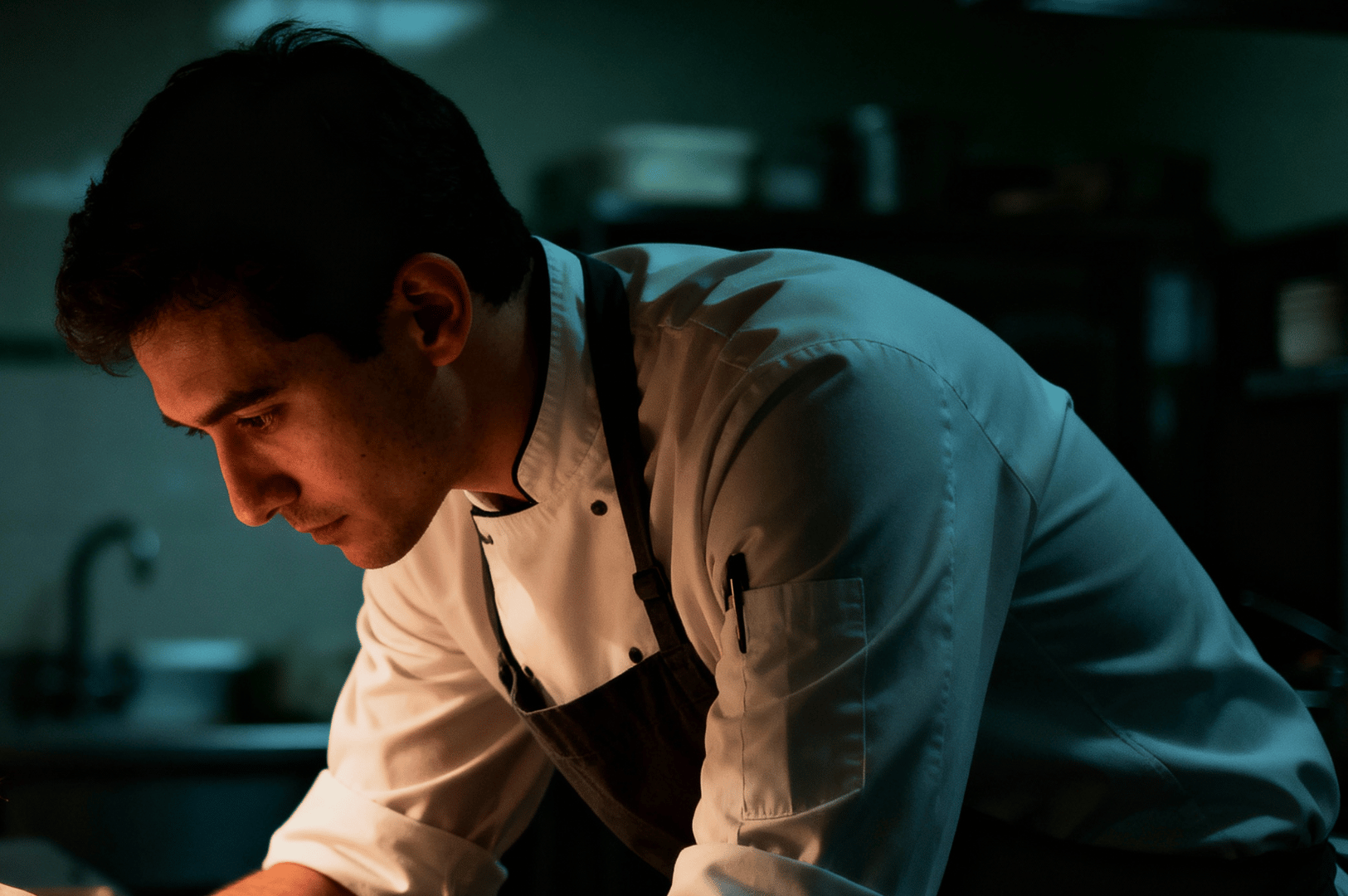
Ultimately, photographing chefs is a slow, contemplative dance. It requires you to be technically proficient so you can forget about your camera and focus on the human being in front of you. It's about waiting for those unguarded moments of vulnerability and genius.
This is where having the right settings comes in, especially in low-light environments, which are often present in kitchens. Knowing your gear well enough to shoot with precision allows you to capture those fleeting moments without missing a beat. If you're looking for guidance on how to optimize your settings in such situations, you can check out this guide on low-light food photography settings to help you master the technical side and keep your attention where it matters most—on the subject. For more insights and inspiration, explore Midnight Photographer, where late-hour culinary storytelling comes to life.

Western Food In Singapore After Dark: A Midnight Photographer’s View
Sarah Teh | April 1, 2026
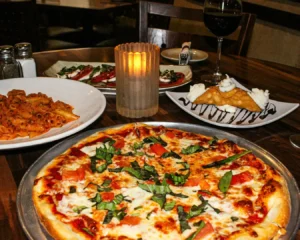
I often find myself photographing western food late at night, when the city softens and the dining table becomes quieter. Western food in Singapore does not always live inside polished restaurants. Sometimes it sits under fluorescent lights at a food center, sometimes at a hawker stall with a flat top grill that has seen decades…
-
The Art of Night Dining Photography: Tanjong Pagar Food
Sarah Teh | March 25, 2026
It’s close to midnight when the CBD quiets and Tanjong Pagar’s corridor lights ignite with warmth. The late MRT ride is the threshold to a world where tanjong pagar dining scenes unfold for my camera—tanjong pagar food under neon and rain-polished streets, kitchens humming long past regular opening hours. The tanjong pagar area stands out…
-
Chinatown Food in Singapore: A Photographer’s Guide to Street Food After Sunset
Sarah Teh | March 18, 2026
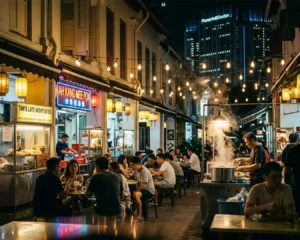
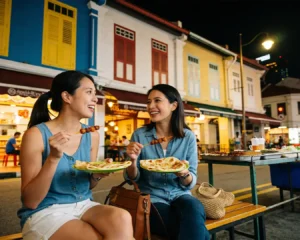
You step off the train, and the humidity hits you first, closely followed by the intoxicating aroma of sizzling garlic, roasting meats, and sweet soy sauce. The sun dips below the horizon, and neon signs flicker to life, casting a warm red glow over the bustling streets. Arriving hungry here is an absolute necessity to…
-
Tanjong Beach Club Singapore: Photographic Rhythm on Sand, Sea, and Night Service
Sarah Teh | March 11, 2026
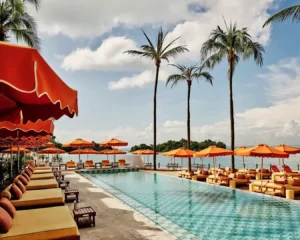
The sun stretches along Tanjong Beach, casting shifting gold onto the sand and across plush daybeds that define this corner of Singapore’s beach culture. This is golden hour at Tanjong Beach Club, often regarded as one of Singapore’s best beach destinations, where the world outside the city softens, welcoming guests who discover their own spot…
-
What to Eat in Tanjong Pagar: Night Photography Across Best Restaurants, Food Centres, and Modern Eateries
Sarah Teh | March 4, 2026
I arrive inTanjong Pagar as blue hour overtakes the shophouse spine. The goal isn’t just dinner—it’s to answer what to eat in Tanjong Pagar from a night photographer’s field standpoint. Every dish and space signals an opportunity, from fried chicken to glossy rice bowls, all set in dynamic, real service. What matters is resonance under…
-
Food in Tanjong Pagar: A Midnight Photographer’s Field View to Food & Light After Dark
Sarah Teh | February 25, 2026
When Singapore’s CBD finally exhales, and the bustle of the day quiets around Tanjong Pagar MRT station, the lights come up on a different stage. Here, in the heart of Tanjong Pagar, hidden food centres, bustling hawker stalls, and stylish Korean and Japanese restaurants located in Tanjong Pagar keep the neighbourhood’s energy burning late. Whether…

Unveiling Hidden Treasures: An Enchanting Evening at Chijmes Restaurant
Sarah Teh | February 18, 2026
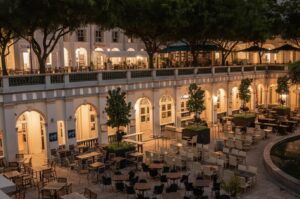
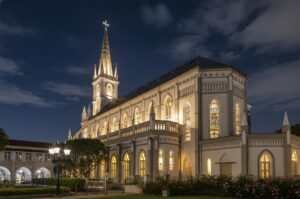
As night spills over the cloisters of CHIJMES, the bustle from Victoria Street fades to a hum and the architectural bones of the historic convent emerge, lit by warm lamps and candlelight. I arrive late, just as the last light fades, hunting for the perfect chijmes restaurant frame; one that balances cultural heritage conservation with…
-
CHIJMES Singapore: Photographing Heritage, Dining, and Architectural Icons
Sarah Teh | February 12, 2026
When I first visited CHIJMES Singapore, I was immediately captivated by how seamlessly history and modern life blend here. I practically had to restrain myself from pointing my lens at everything my eyes land on. Nestled at the bustling intersection of Victoria Street, North Bridge Road, and Bras Basah Road, this national monument and historic…
-
Before the Rush: Capturing the Hidden Rhythms of Amoy Food Centre Photography
Sarah Teh | February 4, 2026
Dawn at Amoy Street Food Centre is a collision of fluorescent lights and billows of steam. Against tiled grates, condensation slides down; hawkers prime their pepper bowl and swirl strands of sliced fish soup through scalding water. Within this storied food centre, every corridor concentrates urgency, flavor, and visual drama. Amoy food centre photography thrives…
-
Amoy Street Food Centre Singapore: A Living Archive of Vanishing Culinary Techniques
Sarah Teh | January 28, 2026
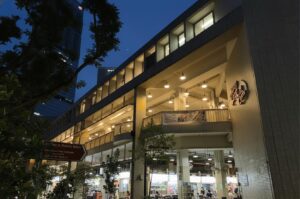
As the dinner rush subsides at Amoy Street Food Centre Singapore, the true choreography begins. Seasoned hawker stall owners move with precision honed over decades, their wok fire dancing in rhythms that predate Singapore’s modern skyline. Six Michelin Bib Gourmand stalls operate within this 1983-established food centre, transforming what began as a government cleanliness initiative…