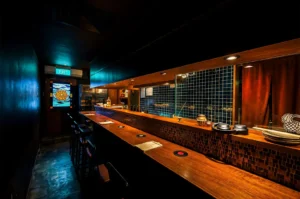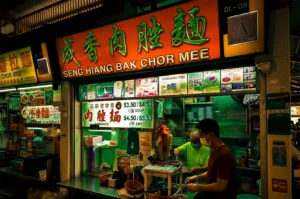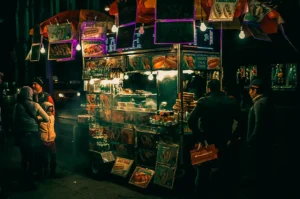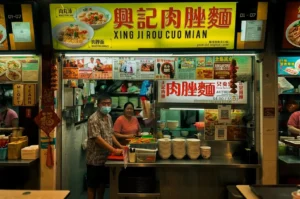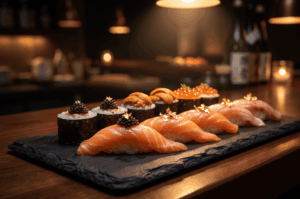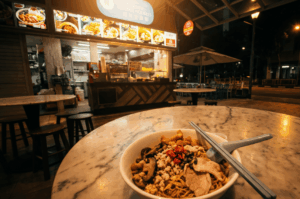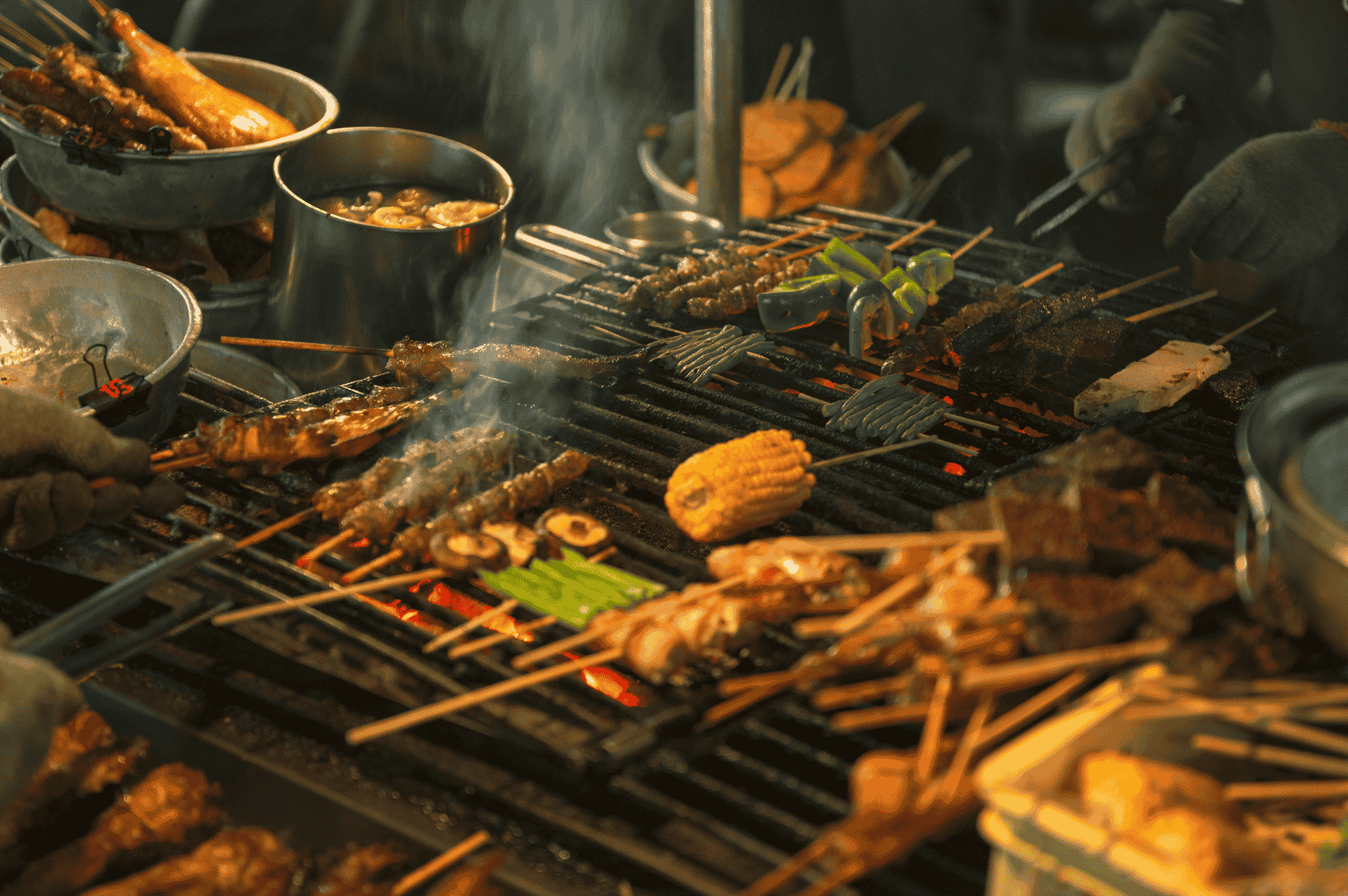
There's a special kind of magic that I love to capture when photographing food after dark. The moody shadows, the soft glow from a single candle—it’s a world away from bright, airy daylight shots. But capturing that magic? That’s where the challenge of low light food photography comes in. I remember fighting my camera, wrestling with blurry shots and grainy images. It can be frustrating.
I've been there. The good news is that mastering night photography with food is something I learned to do, and you can too. It's about understanding how to work with the dark, not against it. In this guide, I’ll share my personal approach to the essential camera settings and gear you need to turn those midnight food photo shoots into stunning, evocative images.
The Exposure Triangle: My Low-Light Lifeline and Best Camera Settings
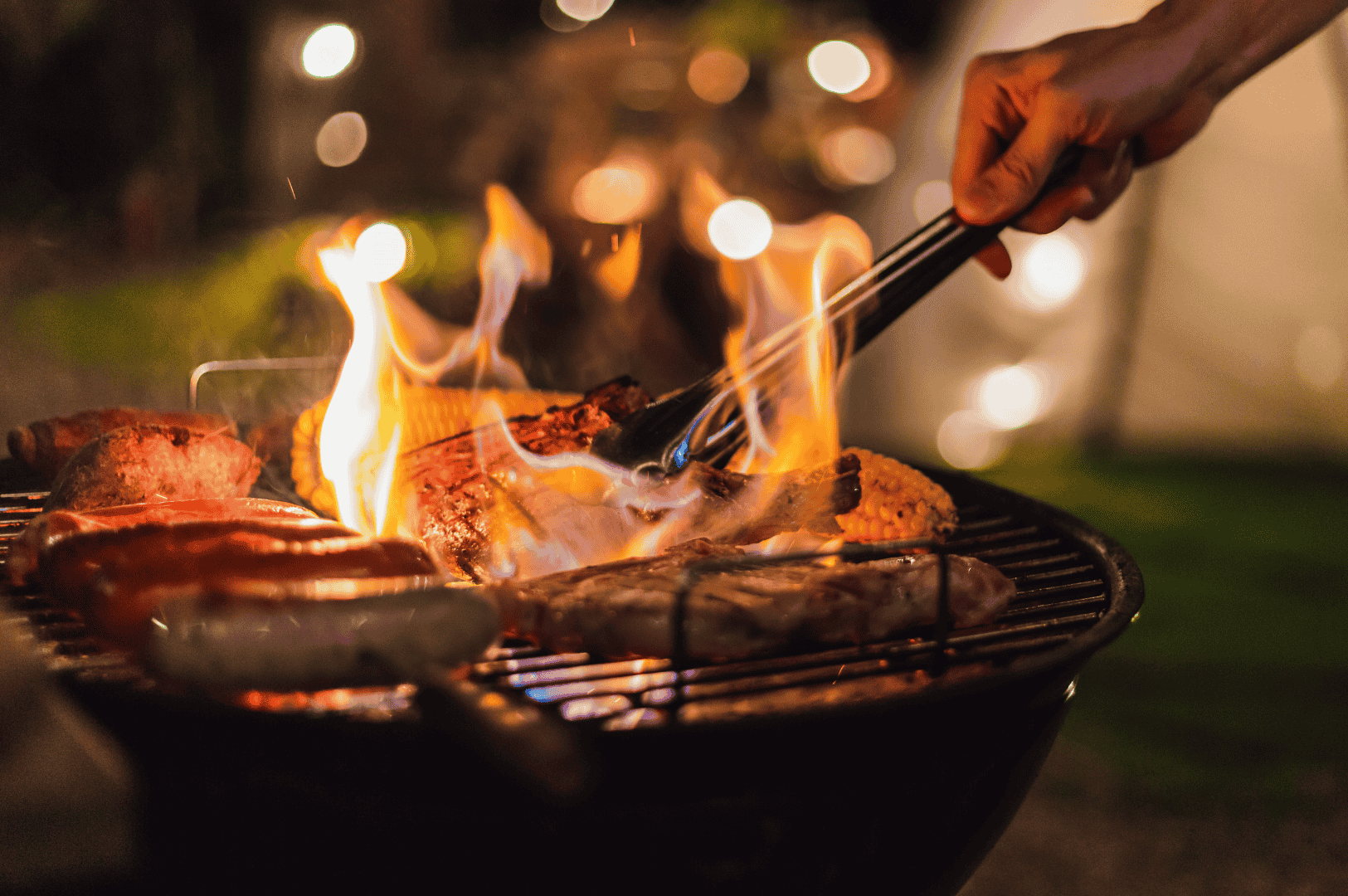
My success in low light photography hinges on my mastery of the exposure triangle: aperture, shutter speed, and ISO. Getting these three settings to work together is how I let enough light hit my sensor without sacrificing image quality.
Aperture: Let the Natural Light In
The aperture is the opening in my lens that lets light coming through. For any tough lighting situation, I want this opening as wide as possible. This is represented by a small f stop number, like f/1.8 or f/2.8. A wide aperture allows more light to enter the camera, which is exactly what I need when light is scarce.
- My Tip: I always start by setting my aperture to the widest setting my lens allows. Using a wide aperture like f/1.8 creates a shallow depth of field, which beautifully blurs the background and makes my subject pop. It gives me more depth and focus on the food.
Shutter Speed: The Balancing Act
Shutter speed determines how long my camera's sensor is exposed to light. In low light, I need a slow shutter speed to give the sensor more time to collect that precious ambient light. However, this comes with a risk: camera shake. Any movement from my hands during a long exposure will result in blur motion.
- My Tip: A tripod is my non-negotiable tool for low-light food photography. With my camera secured, I can use a very slow shutter speed without worrying about motion blur. I might start around 1/60s and adjust from there. With a tripod, I can go much slower, capturing every bit of the scene. A fast shutter speed is for when I need to freeze motion, which isn't usually the goal here.
ISO: The Necessary Boost
ISO measures my camera sensor's sensitivity to light. When I increase ISO, the sensor becomes more sensitive, allowing me to shoot in darker conditions. The trade-off is digital noise, which can make my photos look grainy. Modern cameras are much better at how they handle ISO, but it's still a setting I use with care.
- My Tip: I try to keep my low ISO settings. After setting my wide aperture and my desired shutter speed, I only increase my ISO as much as I need to get a proper exposure. With my camera, I can often get clean images up to ISO 1600. It's a good idea to take a few test shots to see where you feel the more noise becomes unacceptable. My goal is always less noise.
Beyond the Triangle: Other Key Camera Settings I Use
While the exposure settings are central, a few other settings give me more control over the final image.
White Balance: Setting the Mood
Artificial lighting at night can cast strange colors. To get the mood right, I need to get my white balance correct.
- My Tip: Shooting in RAW is my safety net, as it allows me to easily adjust white balance during post processing. When I’m on a shoot, I often set a custom white balance using a grey card for the most accurate colors right out of the camera.
Focusing in the Dark: Night Photography Settings
Auto focus systems can struggle when there is less light. I’ve watched my lens hunt back and forth, failing to lock onto the subject.
- My Tip: I almost always switch to manual focus in these situations. Using my camera's live view mode, I can zoom in on the part of the dish I want in sharp focus and adjust the focus ring until it's perfect. This gives me complete control.
My Final Thoughts
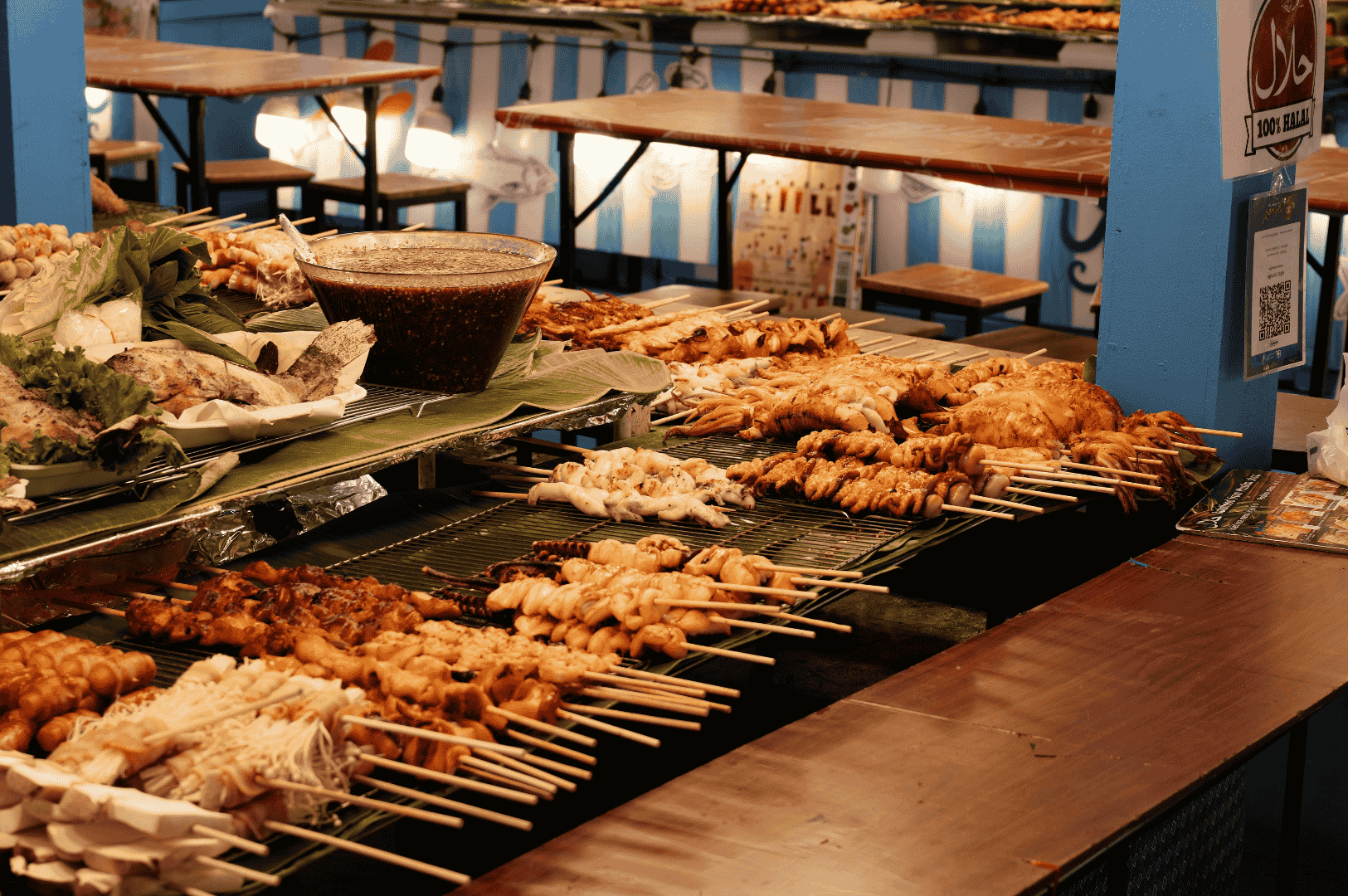
The theory is important, but the real learning happens when you start shooting. Don't be afraid to experiment. I learned by setting up a simple scene at my kitchen table after dark. I'd use a single lamp as my light source and play with all of my camera settings.
See how a slow shutter speed captures the gentle flicker of a flame. Notice how different aperture values change the mood. Push your ISO to see what your camera can do. The more you practice, the more intuitive all these things will become. Low-light food photography isn't about having the most expensive gear; it’s about knowing how to use the tools you have to create something beautiful.
For more inspiration and guides, visit Midnight Photographer, or learn about our mission and journey on the About Us page.

Apollon AM-Bar Review: Photographing an Intimate Izakaya in Orchard Plaza
Sarah Teh | September 4, 2026
Finding Apollon AM-Bar on the First Floor The first floor of Orchard Plaza’s dining oasis is quiet in that way old shopping centres go quiet at night. The bright shops of Orchard Road felt far away by the time I found unit #01-29. Inside, there isn’t much room. A counter, a handful of seats, staff…
-
Waiting Beside the Soup Pot: Photographing Seng Hiang Bak Chor Mee at Midnight
Sarah Teh | September 3, 2026
The pot never stopped moving. It was near midnight at Bedok 85, and I had been standing at Seng Hiang for a while, doing more watching than shooting. The auntie worked the noodles in a wire basket, dipping them into the boiling water, lifting, shaking off the drops in three quick beats. She did not…
-
Night Market in Singapore Photography Guide: Capturing Street Food After Dark
Sarah Teh | September 2, 2026
It’s past eight, and the lingering heat warms the pavement. A grill flares beneath bare bulbs, smoke rising as a vendor fans the coals. Satay skewers sizzle, coins exchange hands, and the queue shifts, a fleeting moment in the vibrant night market in Singapore. Most visitors miss this dynamic scene. They arrive ready to photograph…
-
Steam Above the Orange Chopsticks: A Night at Xing Ji Rou Cuo Mian
Sarah Teh | August 27, 2026
The steam came up in one thin ribbon, and I almost missed it. It was near eleven at Bedok 85, and I had been standing at Xing Ji Rou Cuo Mian for a while, watching more than shooting. The uncle worked the noodles in a wire basket, dunking them into the boiling water, lifting, shaking…
-
Somerset Food by Night: Food Spots Open Until Midnight and Beyond
Sarah Teh | August 26, 2026
The malls close first. Restaurants dim their lights behind glass, chairs are stacked, and the daytime shopping crowds begin to leave Orchard Road. Somerset, which spends most of the day moving between lunch queues and retail floors, quietly becomes something else. I walk the streets around Somerset MRT Station with a camera after dark: down…
-
Two Bowls After Dark: Photographing Xing Ji and Seng Hiang at Bedok 85
Sarah Teh | August 20, 2026
It was past ten when I got to Bedok 85, and the steam was doing all the talking. Fong Seng was long shut by then, but the hawker centre still hummed. A few tables of men in singlets nursing beers. The clack of a wok somewhere behind me. And that particular fluorescent glare that flattens…
-
6ix 6ix: Framing a 24-Hour Sichuan Kitchen Hidden Along Cuppage Road
Sarah Teh | August 19, 2026
6ix 6ix After Midnight Cuppage Road goes quiet after the dinner crowds thin out. The shophouses along Cuppage Terrace dim, Cuppage Plaza rescinds into darkness, and the street holds only the low hum of a few late cars and the occasional figure walking home. Then there is 6ix 6ix, spilling warm light onto the pavement…
-
Stillness Amidst the Chaos: Finding the Quiet Moments in the Noise of Nightly Eats
Sarah Teh | August 13, 2026
The wok never stopped roaring. It was almost midnight at a zi char stall in Geylang, and the flames kept leaping up in short, angry bursts. Trays clattered. Someone shouted an order across the aisle. A cleaner dragged a bin past my chair. I sat there with my camera in my lap, waiting for a…
-
Low-Light Sushi Photos: How to Frame Nigiri, Sashimi, and Maki During Dinner
Sarah Teh | August 12, 2026
The first time I tried to photograph nigiri at a proper counter, I ruined the piece. I fussed. I tilted the plate. I leaned back for a better angle, checked the screen, tried again. By the time I actually ate it, the rice had cooled and the fish had warmed, and that careful balance the…
-
From Smoke to Plate: The Delicate Dance of Food Photography at Midnight
Sarah Teh | August 6, 2026
The smoke reached me before the food did. It was close to one in the morning, and I was standing at a satay stall near Lau Pa Sat, watching a man fan his coals in slow, practiced strokes. Each pass sent up a curl of grey that caught the streetlight and vanished. I had my…