There's a special kind of magic that I love to capture when photographing food after dark. The moody shadows, the soft glow from a single candle—it’s a world away from bright, airy daylight shots. But capturing that magic? That’s where the challenge of low light food photography comes in. I remember fighting my camera, wrestling with blurry shots and grainy images. It can be frustrating.
I've been there. The good news is that mastering night photography with food is something I learned to do, and you can too. It's about understanding how to work with the dark, not against it. In this guide, I’ll share my personal approach to the essential camera settings and gear you need to turn those midnight food photo shoots into stunning, evocative images.
The Exposure Triangle: My Low-Light Lifeline and Best Camera Settings
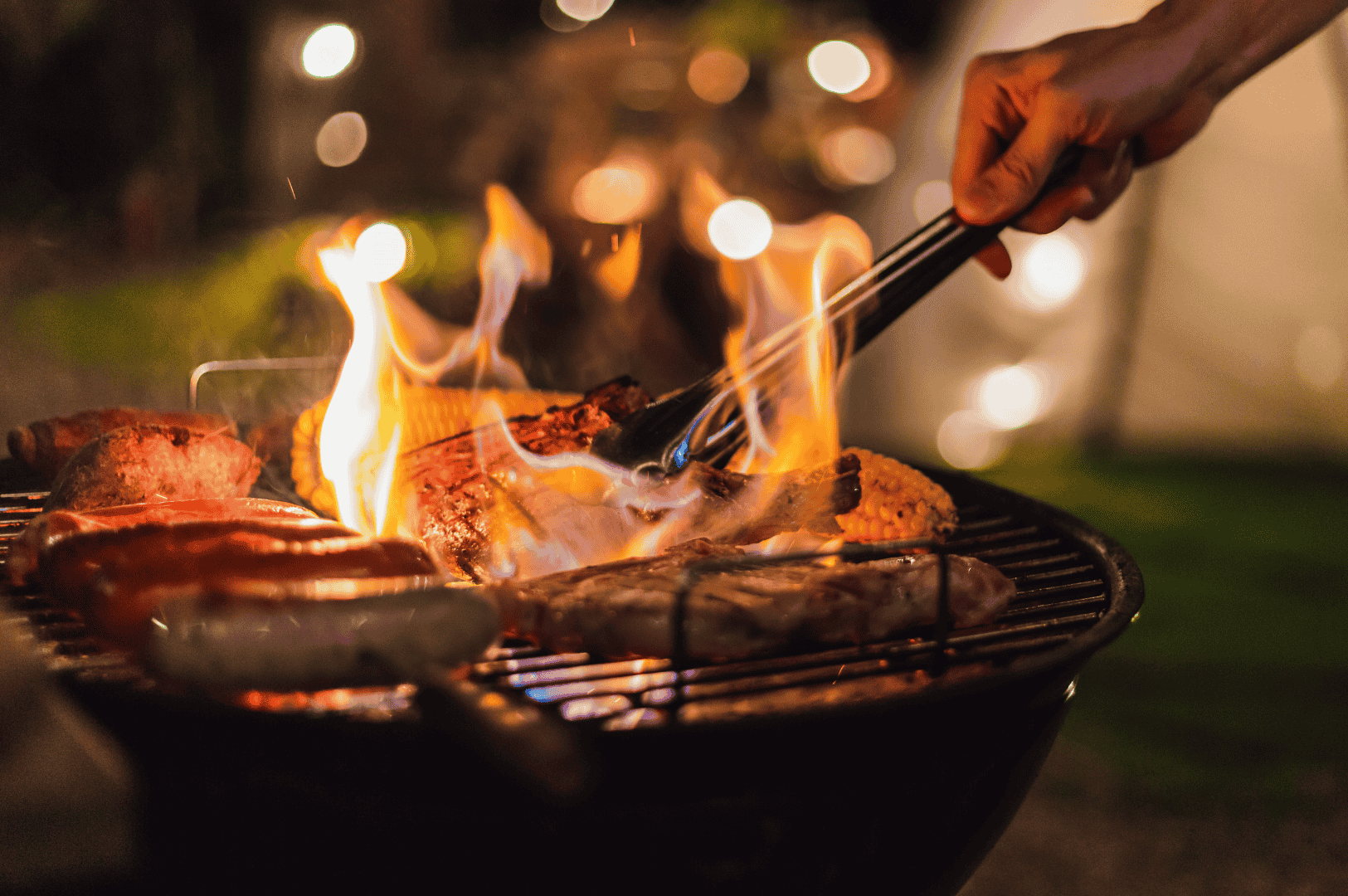
My success in low light photography hinges on my mastery of the exposure triangle: aperture, shutter speed, and ISO. Getting these three settings to work together is how I let enough light hit my sensor without sacrificing image quality.
Aperture: Let the Natural Light In
The aperture is the opening in my lens that lets light coming through. For any tough lighting situation, I want this opening as wide as possible. This is represented by a small f stop number, like f/1.8 or f/2.8. A wide aperture allows more light to enter the camera, which is exactly what I need when light is scarce.
- My Tip: I always start by setting my aperture to the widest setting my lens allows. Using a wide aperture like f/1.8 creates a shallow depth of field, which beautifully blurs the background and makes my subject pop. It gives me more depth and focus on the food.
Shutter Speed: The Balancing Act
Shutter speed determines how long my camera's sensor is exposed to light. In low light, I need a slow shutter speed to give the sensor more time to collect that precious ambient light. However, this comes with a risk: camera shake. Any movement from my hands during a long exposure will result in blur motion.
- My Tip: A tripod is my non-negotiable tool for low-light food photography. With my camera secured, I can use a very slow shutter speed without worrying about motion blur. I might start around 1/60s and adjust from there. With a tripod, I can go much slower, capturing every bit of the scene. A fast shutter speed is for when I need to freeze motion, which isn't usually the goal here.
ISO: The Necessary Boost
ISO measures my camera sensor's sensitivity to light. When I increase ISO, the sensor becomes more sensitive, allowing me to shoot in darker conditions. The trade-off is digital noise, which can make my photos look grainy. Modern cameras are much better at how they handle ISO, but it's still a setting I use with care.
- My Tip: I try to keep my low ISO settings. After setting my wide aperture and my desired shutter speed, I only increase my ISO as much as I need to get a proper exposure. With my camera, I can often get clean images up to ISO 1600. It's a good idea to take a few test shots to see where you feel the more noise becomes unacceptable. My goal is always less noise.
Beyond the Triangle: Other Key Camera Settings I Use
While the exposure settings are central, a few other settings give me more control over the final image.
White Balance: Setting the Mood
Artificial lighting at night can cast strange colors. To get the mood right, I need to get my white balance correct.
- My Tip: Shooting in RAW is my safety net, as it allows me to easily adjust white balance during post processing. When I’m on a shoot, I often set a custom white balance using a grey card for the most accurate colors right out of the camera.
Focusing in the Dark: Night Photography Settings
Auto focus systems can struggle when there is less light. I’ve watched my lens hunt back and forth, failing to lock onto the subject.
- My Tip: I almost always switch to manual focus in these situations. Using my camera's live view mode, I can zoom in on the part of the dish I want in sharp focus and adjust the focus ring until it's perfect. This gives me complete control.
My Final Thoughts
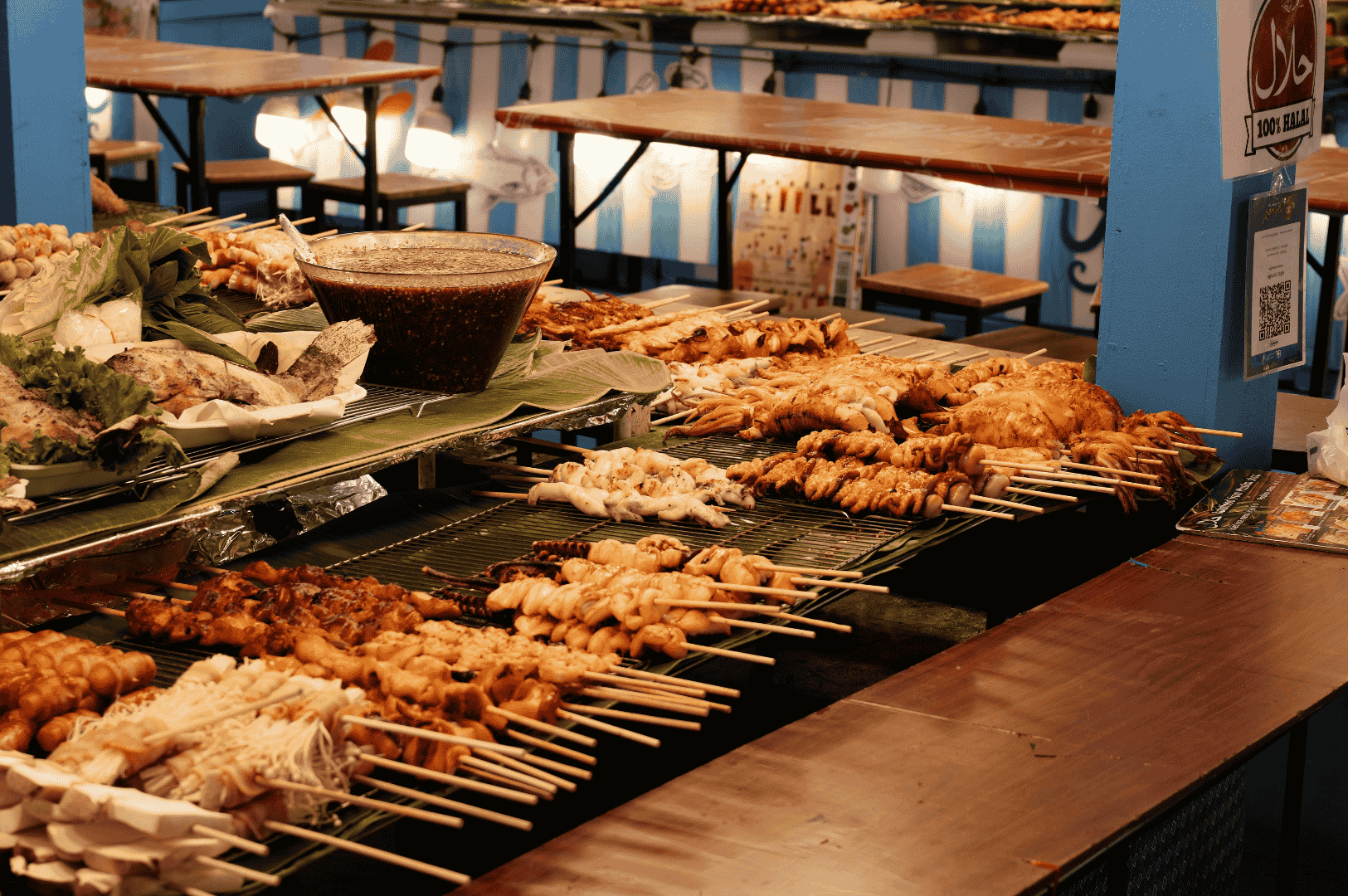
The theory is important, but the real learning happens when you start shooting. Don't be afraid to experiment. I learned by setting up a simple scene at my kitchen table after dark. I'd use a single lamp as my light source and play with all of my camera settings.
See how a slow shutter speed captures the gentle flicker of a flame. Notice how different aperture values change the mood. Push your ISO to see what your camera can do. The more you practice, the more intuitive all these things will become. Low-light food photography isn't about having the most expensive gear; it’s about knowing how to use the tools you have to create something beautiful.
For more inspiration and guides, visit Midnight Photographer, or learn about our mission and journey on the About Us page.

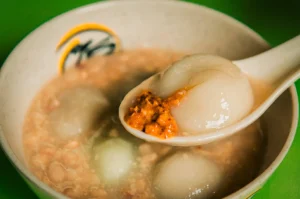
The Last Sweet Bowl: Photographing 75 Ah Balling Peanut Soup After Dinner
Sarah Teh | October 22, 2026
The steam went up before I was ready for it. I had my camera against my chest, waiting, and the vendor lifted the ladle without warning. Warm vapour curled off the surface of the peanut soup and caught the fluorescent tube overhead. I raised the lens and pressed the shutter, but the moment had already…
-
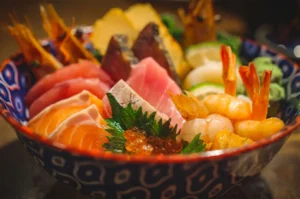
Best Chirashi Don Singapore: Fresh Sashimi Bowls from Daylight to City Lights
Sarah Teh | October 21, 2026
The city cools slowly after sunset. The neon signs warm up, and the crowds thin into something quieter. This is the hour when a bowl of fluffy Japanese rice topped with cold raw fish starts to make sense. Not the flash of a grill or the roar of a wok, but something still. Cubed sashimi…
-
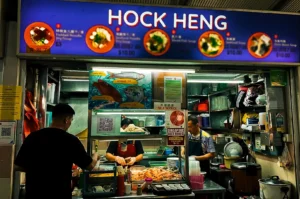
The 3AM Bowl: Why Hock Heng Fish Soup Feels Different Before Sunrise
Sarah Teh | October 21, 2026
The steam rose before the light did. I stood with my camera lowered, watching a hand lift a ladle over the pot, waiting for the moment the vapour would catch the fluorescent tube overhead. It came in a slow curl, thin and pale, drifting up past the vendor’s wrist. Then the fish slices went in….
-
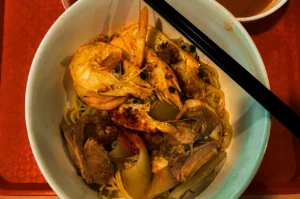
Prawns Beneath Fluorescent Light: A Late Shoot at ONE.85 Big Prawn Mee
Sarah Teh | October 15, 2026
The broth was the reddest thing in the stall, and the light was doing its best to kill it. It was past eleven at ONE.85 Big Prawn Mee, and I had been standing at the counter for a while, camera down, watching the uncle work the pot. He lowered a metal basket of noodles into…
-
Discover the Flavors of Issho Izakaya: A Complete Review and Menu Guide
Sarah Teh | October 14, 2026
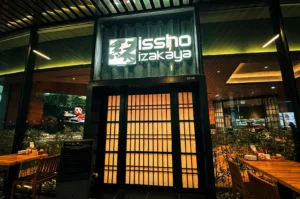
As the office towers empty, Issho Izakaya at Marina One fills with diners. Located at #01-14, 5 Straits View, West Tower, Singapore 018935, this contemporary Japanese izakaya offers a warm, inviting space at the heart of the CBD. Issho means “together“ reflecting its focus on shared plates, communal dining, and a cozy atmosphere with both…
-
A Bowl That Only Makes Sense at Night: Chai Chee Pork Porridge at Bedok 85
Sarah Teh | October 8, 2026
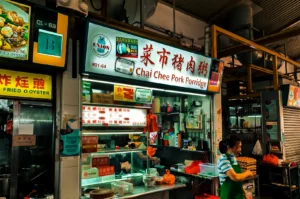
The steam was the first thing I lost. It was well past midnight at Bedok 85, and I had been standing at Chai Chee Pork Porridge for a while, camera down, watching the auntie work the pot. She lifted the ladle, let the porridge fall back in a slow white ribbon, then lifted it again….
-
Gochi-So Shokudo: Discover This Japanese Comfort Food Spot For Your Night Food Crawl
Sarah Teh | October 7, 2026
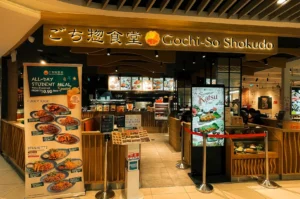
Comfort food rarely announces itself. It waits in a mall corridor, somewhere between a shoe shop and an escalator, holding the smell of grilled pork and warm rice until you slow down enough to notice. That is where you find Gochi-So Shokudo ご, also known as ご ち 惣 食堂. Not a place chasing attention….
-
Oil, Oyster and Broken Light: Photographing Bedok North Fried Oyster at 1am
Sarah Teh | October 1, 2026
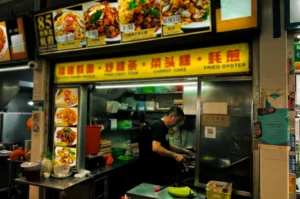
The first thing I noticed was the light. It was not the kind of light a photographer usually looks for. The fluorescent tubes above the stalls at 85 Fengshan Centre cast a pale, uneven glow across the tables, flattening some colours while exaggerating others. But at 1am, standing in front of the fried oyster stall…
-
When the City Goes Quiet, XO Minced Meat Noodles Begin
Sarah Teh | September 30, 2026
The last bus has gone. Newton Food Centre keeps a few lights on. I walk in past shuttered stalls, chairs stacked, floors still wet from a mop. Then I hear it: the scrape of a ladle, the low hiss of a pot. At 500 Clemenceau Ave N, #01-10, one stall is awake. XO Minced Meat…
-
Fire, Lime and Chicken Wings: A Night with Sin Bedok North BBQ
Sarah Teh | September 24, 2026
The wings went on before I found my angle. It was close to midnight at Bedok North, and I had been standing at Sin Bedok North BBQ for a while, camera down, watching the wings land on the grate in a neat row. The uncle laid them out without looking, the way you do a…