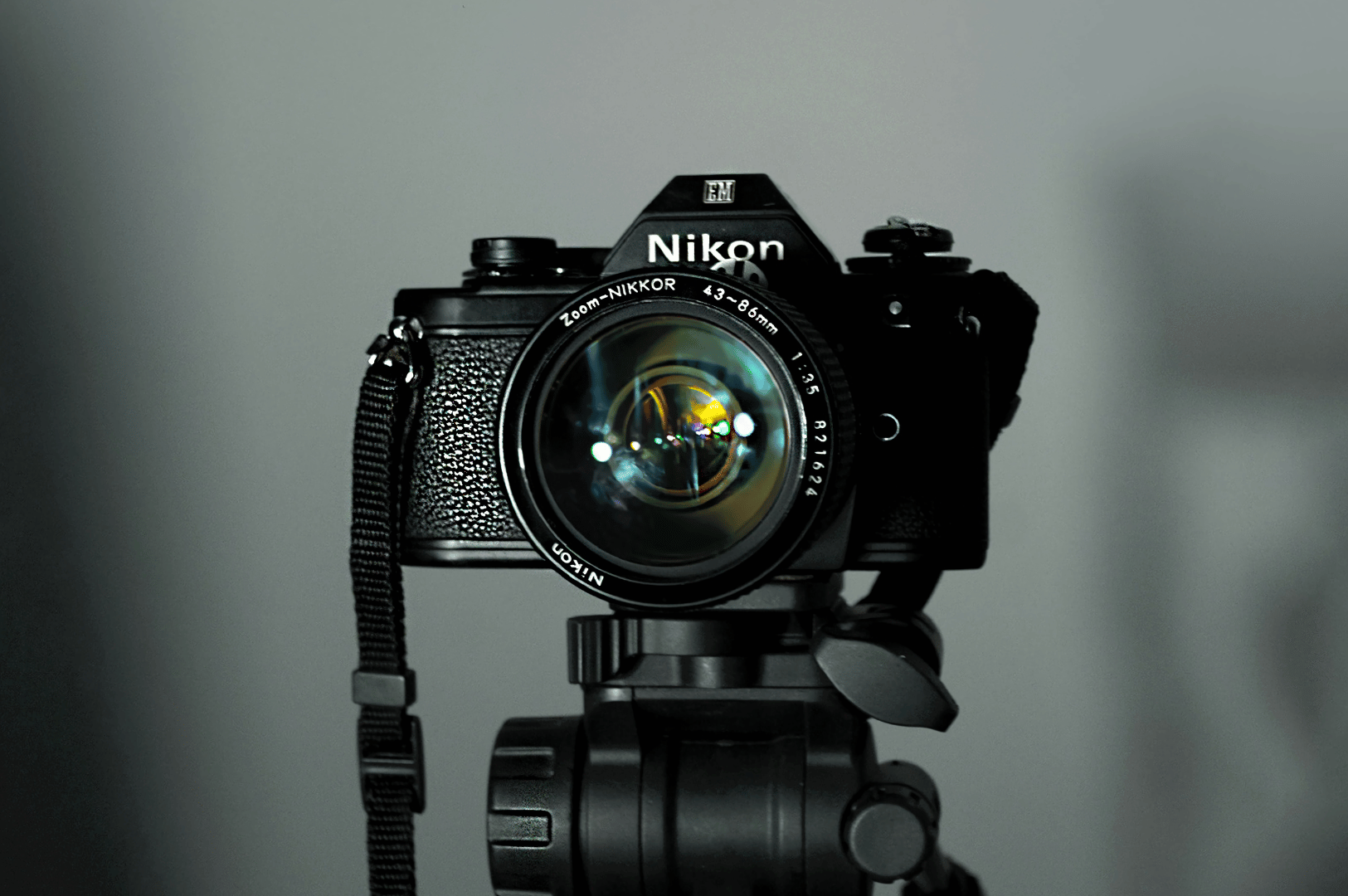
In the world of food photography, light is our most crucial ingredient. Just as a chef carefully selects spices to enhance a dish, photographers must master light to bring culinary creations to life. My journey as a midnight food photographer has taught me that different lighting conditions don't just change how we shoot—they transform what we see and how we tell stories through our images.
While my lens typically captures the mysterious dance of shadows in midnight culinary escapades, the daylight reveals an entirely different kind of beauty in Singapore's food scene. This article explores how nocturnal and daytime food photography complement each other, creating a complete toolkit for food photographers working in any condition.
The Dance of Light: Golden Hour vs. Midnight Magic
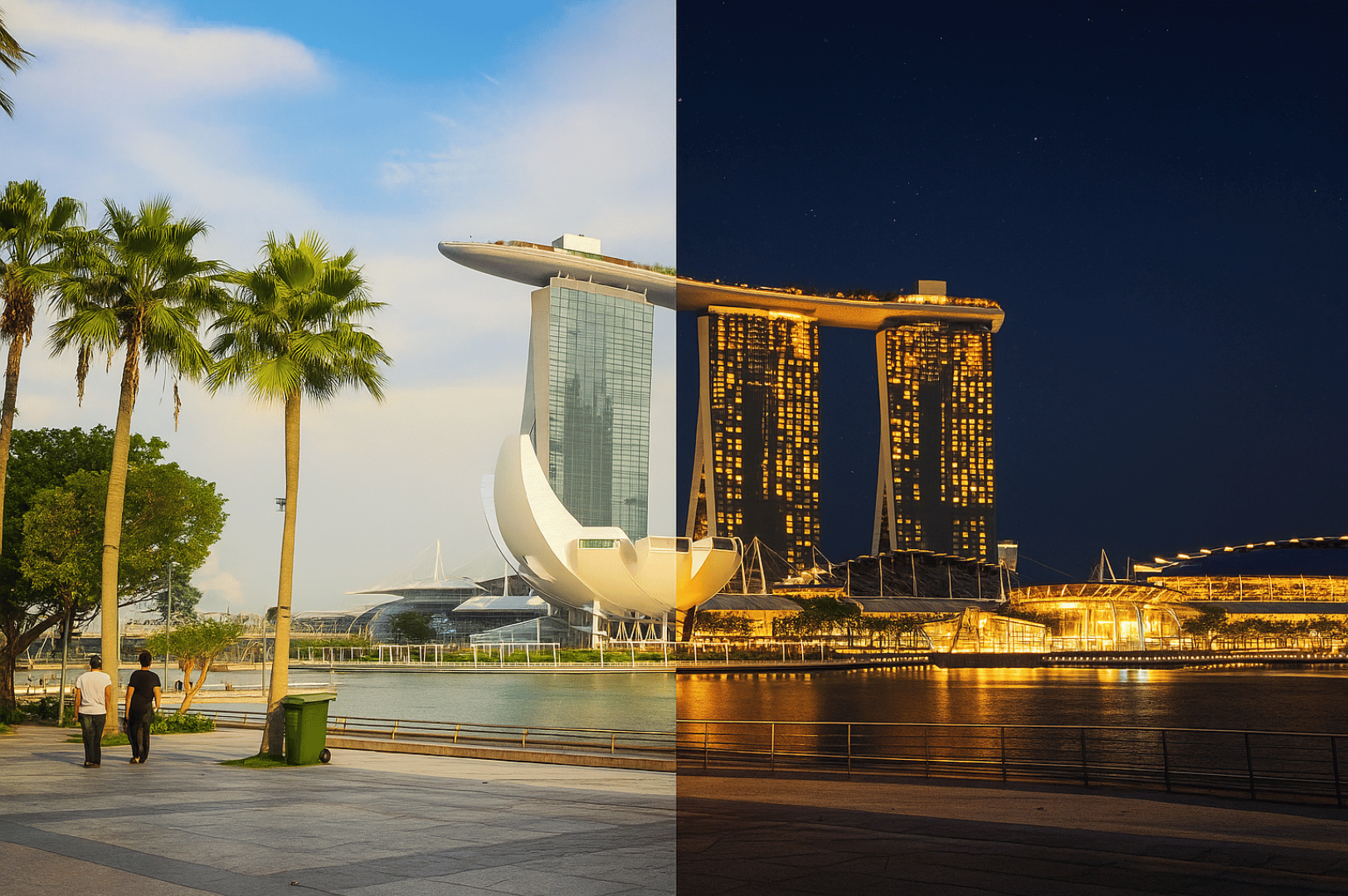
The golden hour—that magical time shortly after sunrise or before sunset—bathes food in warm, directional light that adds dimension and enhances natural colors. As explored in golden hour food photography tips, this natural light creates a "glossy glow" that makes dishes like laksa shimmer with appetizing vitality.
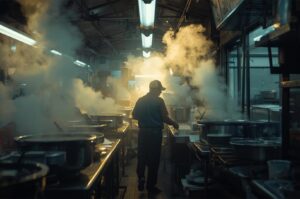
In contrast, midnight photography embraces the dramatic interplay between light and shadow. After dark, we aren't capturing reality as much as crafting it. The absence of natural light gives us complete control, allowing us to sculpt shadows that create mystery and intimacy around food. This controlled darkness can transform an ordinary hawker stall into a stage where culinary stories unfold in cinematic fashion.
The fundamental difference isn't just technical—it's philosophical. Golden hour photography celebrates the natural beauty of food, while midnight photography reveals its hidden character and secrets.
Equipment Essentials for All Light Conditions
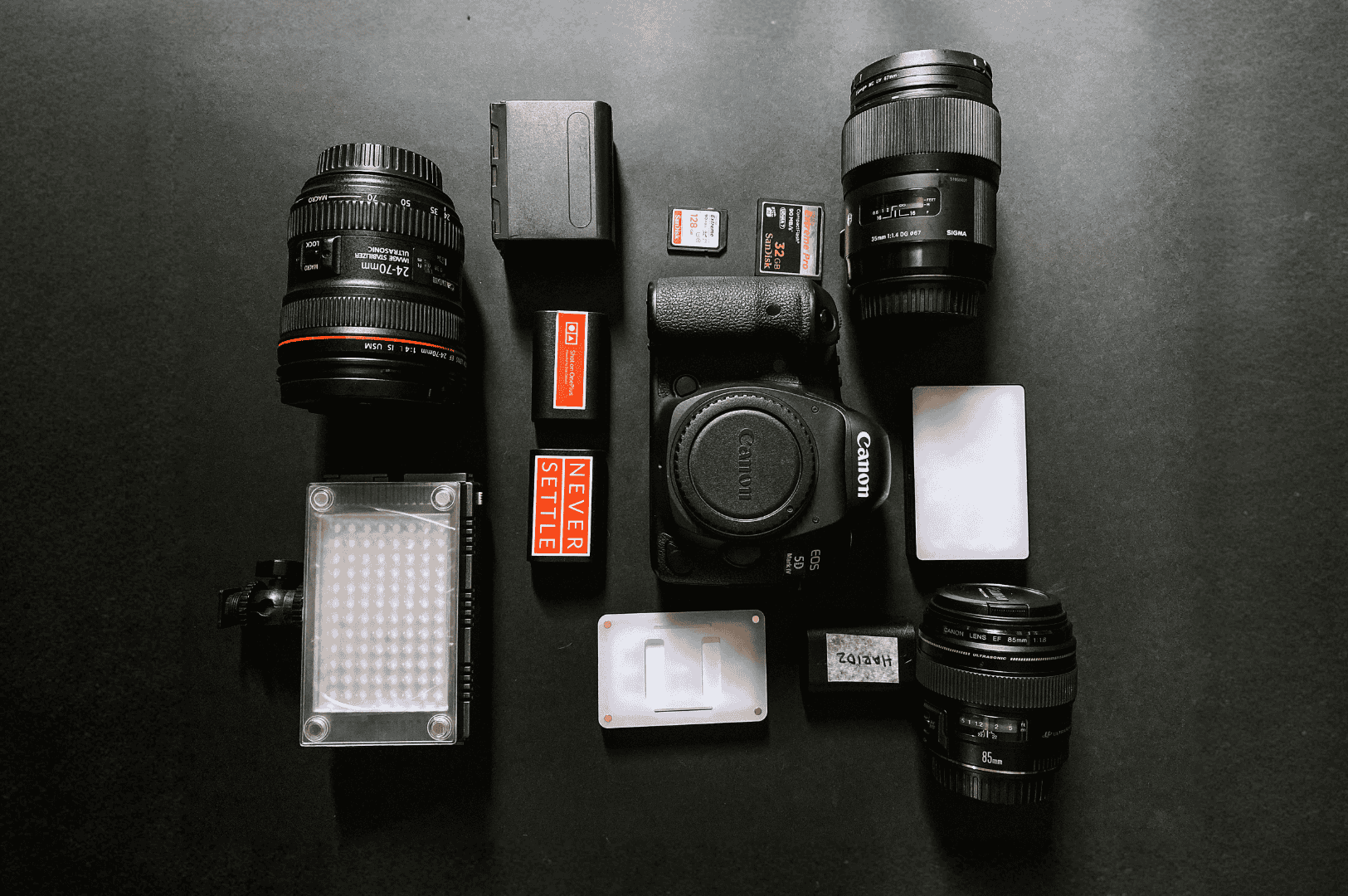
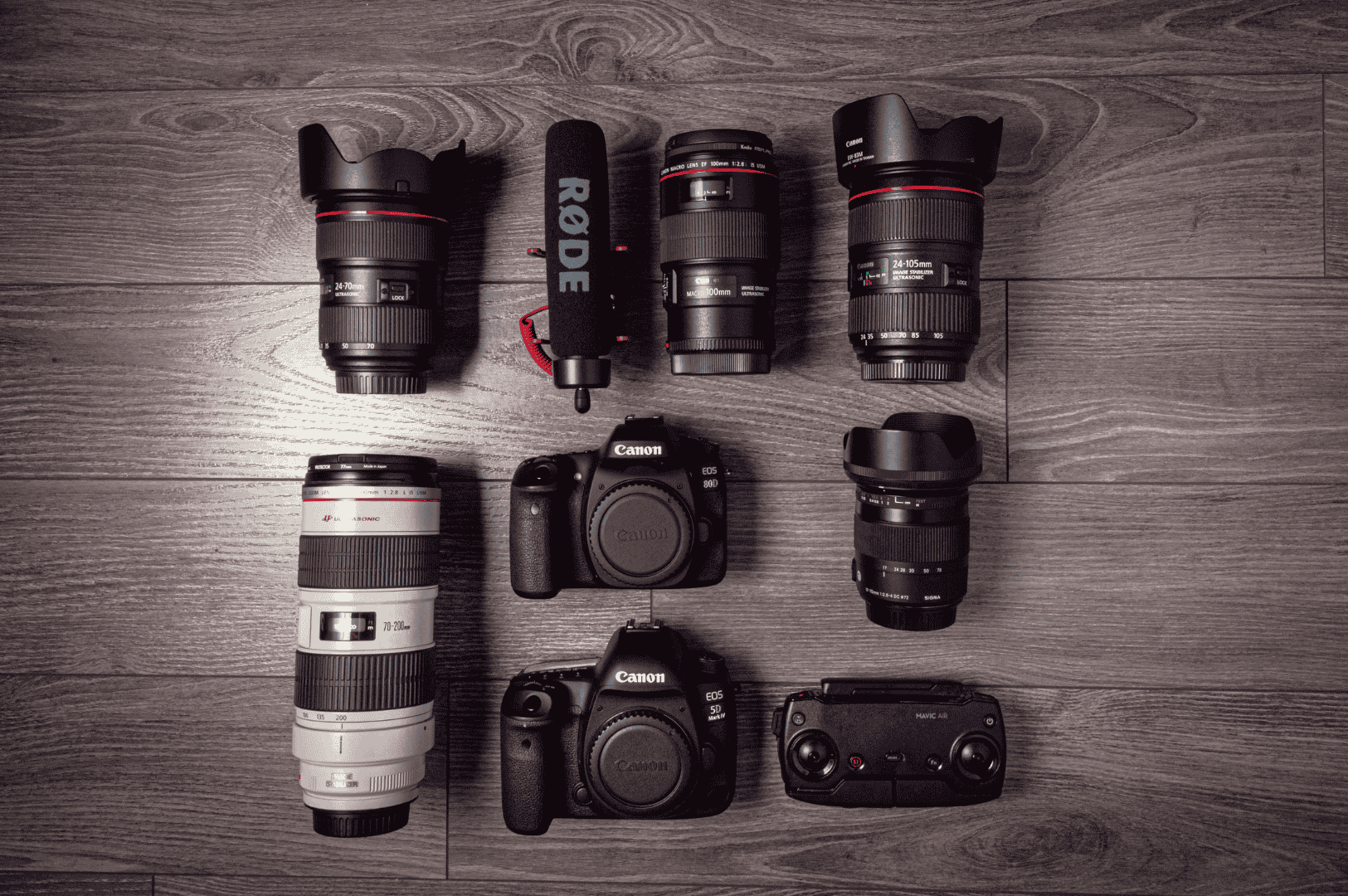
Successfully shooting in both worlds requires a versatile kit:
Daytime Essentials:
- A reflector or diffuser to manage natural light
- Portable bounce cards to fill shadows
- Tripod for stability in lower light conditions
- Circular polarizer to manage reflections on broth or sauces
Midnight Must-Haves:
- Small, portable LED panels with adjustable color temperature
- Light modifiers (softboxes, grids, barn doors)
- Black cards or flags to create negative fill
- Light stands with clamps for flexible positioning
The crossover item? A good tripod serves both worlds, enabling longer exposures during golden hour and providing stability for precise lighting setups at night.
Natural Light Mastery: Lessons from the Golden Hour
A natural light techniques focus on positioning and enhancement rather than creation. Key approaches include:
- Backlighting: Positioning food with light behind it creates a beautiful glow through translucent elements like broths and sauces, making laksa noodles appear to radiate light.
- Side lighting: This approach highlights texture in noodles, creating natural shadows that define the bowl's contours and depth.
- Diffusion: Using sheer curtains or diffusion panels to soften harsh sunlight, creating gentle gradients instead of harsh highlights.
The beauty of golden hour photography lies in its ability to reveal food's natural appeal with minimal intervention. As noted in this natural light food styling article, even settings like aperture (f/2.8 to f/5.6) are chosen to create a shallow depth of field that spotlights the "warmth and gloss" of dishes like laksa.
After Dark: Creating Atmosphere with Artificial Light
Midnight food photography requires a different mindset: rather than working with available light, we must build our lighting environment from scratch. My approach includes:
- Main and accent lights: Using a primary light source to establish direction, then adding smaller lights to highlight specific elements like steam or garnishes.
- Practical light sources: Incorporating existing environmental light (street lamps, kitchen fixtures, candles) to create authentic atmosphere while supplementing with controlled lighting.
- Light painting techniques: Using long exposures and moving light sources to selectively illuminate parts of a dish.
- Dramatic shadows: Intentionally creating deep shadows that conceal parts of the scene, inviting viewers to use their imagination.
While daytime food photography often seeks to eliminate shadows, midnight photography embraces them as storytelling elements. This approach transforms a simple bowl of laksa into a mysterious encounter, highlighting the clandestine nature of late-night dining. For more practical techniques, see My Guide to Mastering Low-Light Food Photography.
Composition Strategies Across Light Spectrums
Different lighting conditions suggest different compositional approaches:
Golden Hour Composition:
- Wider angles that incorporate the environment and context
- Emphasis on natural colors and textures
- Clean, bright negative space
- Arrangements that showcase ingredients distinctly
Midnight Composition:
- Tighter frames that create intimacy
- Selective focus drawing attention to specific elements
- Negative space used as shadow areas that frame the subject
- Compositions that suggest stories and secret encounters
The golden hour approach might showcase a laksa in its complete setting, while midnight photography might zoom in on steam rising from the bowl, captured against a dark background with just a hint of neon light providing color.
Post-Processing: Bridging Day and Night
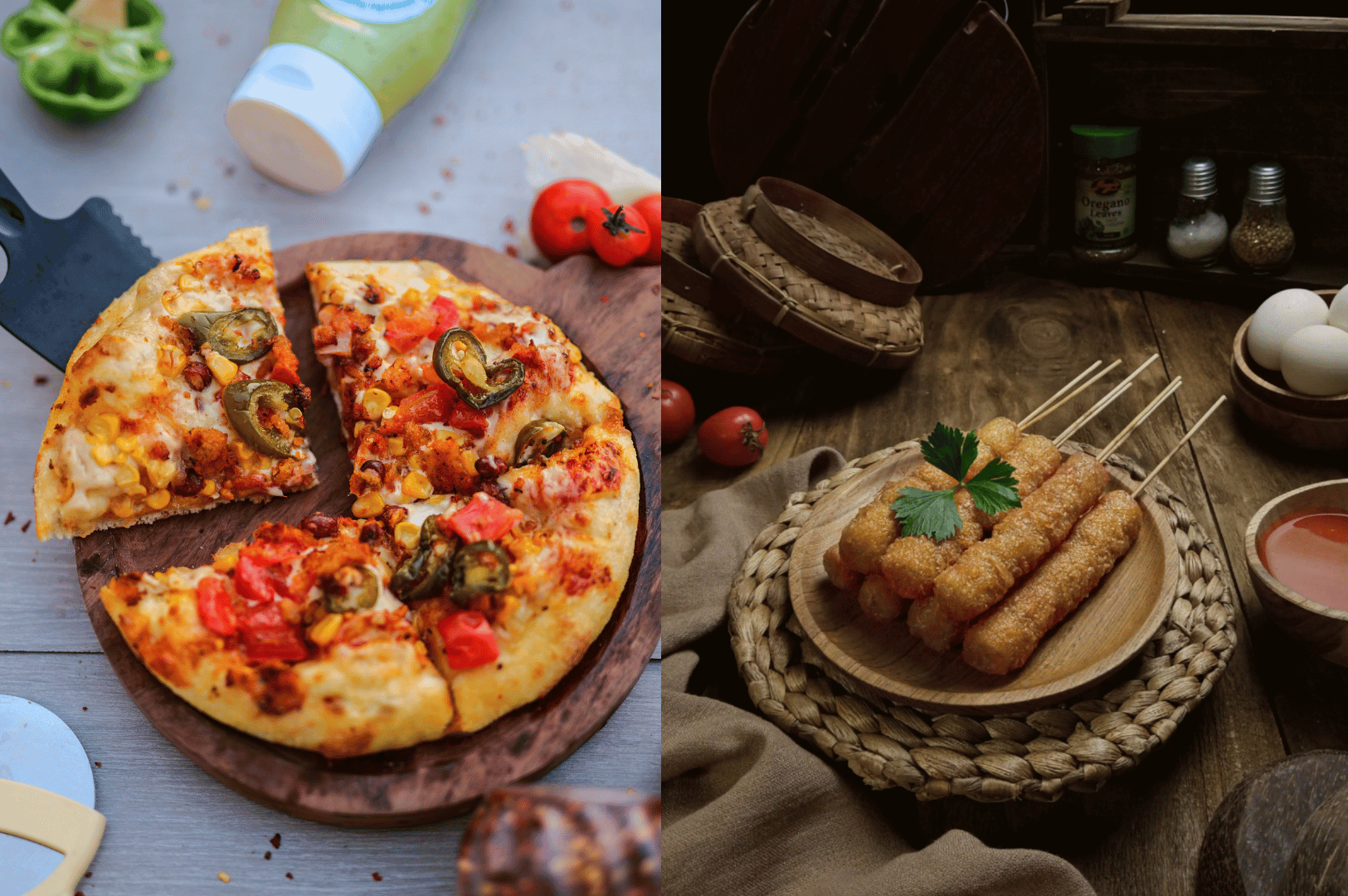
Editing strategies differ significantly between daylight and midnight photography:
Golden Hour Editing:
- Subtle enhancements to naturally occurring colors
- Careful balance of vibrance versus saturation
- Targeted clarity adjustments to enhance texture
- Preservation of natural color temperatures
Midnight Editing:
- Dramatic contrast adjustments
- Selective color grading to create mood
- Strategic noise reduction while preserving texture
- Creative use of vignetting to focus attention
While the golden hour food photography guide suggests using dodge and burn techniques to enhance specific highlights on noodles, midnight editing often requires more extensive shadow recovery and highlight management to balance the extreme contrasts inherent in artificial lighting.
Capturing Singapore Laksa Under Different Lights
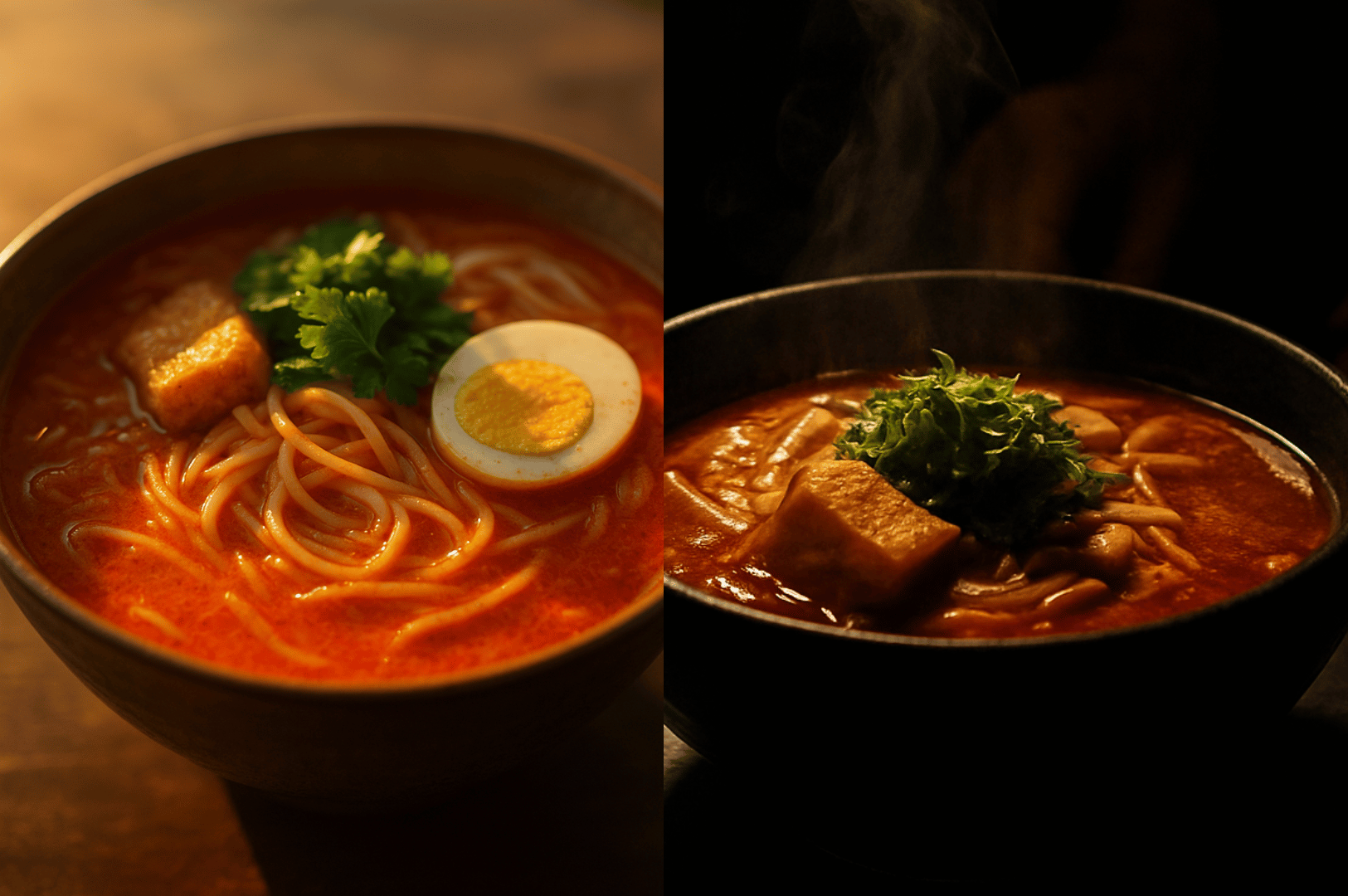
To illustrate these contrasting approaches, consider a bowl of Singapore laksa photographed in both conditions:
Golden Hour Laksa:
Shot near sunset, natural light flows through the spicy broth, creating a warm glow that highlights the red-orange colors. The noodles catch natural light, appearing glossy and inviting. Techniques like using a wide aperture create a shallow depth of field that spotlights the laksa while gently blurring the background.
Midnight Laksa:
Captured at a late-night hawker stall, a single controlled light source creates dramatic shadows across the bowl. Steam becomes more visible against the dark background, illuminated by a small accent light. The cook's hands might be partially visible in shadow, adding human context. The broth appears more mysterious, with just the surface catching light to reveal its rich color.
Both approaches tell different stories about the same dish—one celebrates its vibrant daytime appeal, while the other reveals its role in Singapore's nocturnal food culture.
Conclusion: Developing Your Complete Toolkit
By mastering both natural light food styling techniques and artificial lighting approaches, food photographers develop versatility that serves them in any situation. Whether you're working with the golden light of dawn at a hawker center or the neon-kissed shadows of a midnight kitchen, understanding the principles of light allows you to adapt and create compelling food imagery.
The most complete food photographers don't choose between natural or artificial light—they learn to see the unique opportunities each presents and develop the technical skills to capture both worlds. As you practice, you'll find that techniques from each approach can cross-pollinate, creating a distinctive style that works across the full spectrum of lighting conditions.
Whether you're capturing the golden hour glow of a laksa's surface or the mysterious steam rising from a midnight bowl of noodles, remember that light is your storytelling medium—and the story of food unfolds across all 24 hours of the day.
For more inspiration and guides, visit Midnight Photographer.

Western Food In Singapore After Dark: A Midnight Photographer’s View
Sarah Teh | April 1, 2026
I often find myself photographing western food late at night, when the city softens and the dining table becomes quieter. Western food in Singapore does not always live inside polished restaurants. Sometimes it sits under fluorescent lights at a food center, sometimes at a hawker stall with a flat top grill that has seen decades…
-
The Art of Night Dining Photography: Tanjong Pagar Food
Sarah Teh | March 25, 2026
It’s close to midnight when the CBD quiets and Tanjong Pagar’s corridor lights ignite with warmth. The late MRT ride is the threshold to a world where tanjong pagar dining scenes unfold for my camera—tanjong pagar food under neon and rain-polished streets, kitchens humming long past regular opening hours. The tanjong pagar area stands out…
-
Chinatown Food in Singapore: A Photographer’s Guide to Street Food After Sunset
Sarah Teh | March 18, 2026
You step off the train, and the humidity hits you first, closely followed by the intoxicating aroma of sizzling garlic, roasting meats, and sweet soy sauce. The sun dips below the horizon, and neon signs flicker to life, casting a warm red glow over the bustling streets. Arriving hungry here is an absolute necessity to…
-
Tanjong Beach Club Singapore: Photographic Rhythm on Sand, Sea, and Night Service
Sarah Teh | March 11, 2026
The sun stretches along Tanjong Beach, casting shifting gold onto the sand and across plush daybeds that define this corner of Singapore’s beach culture. This is golden hour at Tanjong Beach Club, often regarded as one of Singapore’s best beach destinations, where the world outside the city softens, welcoming guests who discover their own spot…
-
What to Eat in Tanjong Pagar: Night Photography Across Best Restaurants, Food Centres, and Modern Eateries
Sarah Teh | March 4, 2026
I arrive inTanjong Pagar as blue hour overtakes the shophouse spine. The goal isn’t just dinner—it’s to answer what to eat in Tanjong Pagar from a night photographer’s field standpoint. Every dish and space signals an opportunity, from fried chicken to glossy rice bowls, all set in dynamic, real service. What matters is resonance under…
-
Food in Tanjong Pagar: A Midnight Photographer’s Field View to Food & Light After Dark
Sarah Teh | February 25, 2026
When Singapore’s CBD finally exhales, and the bustle of the day quiets around Tanjong Pagar MRT station, the lights come up on a different stage. Here, in the heart of Tanjong Pagar, hidden food centres, bustling hawker stalls, and stylish Korean and Japanese restaurants located in Tanjong Pagar keep the neighbourhood’s energy burning late. Whether…

Unveiling Hidden Treasures: An Enchanting Evening at Chijmes Restaurant
Sarah Teh | February 18, 2026
As night spills over the cloisters of CHIJMES, the bustle from Victoria Street fades to a hum and the architectural bones of the historic convent emerge, lit by warm lamps and candlelight. I arrive late, just as the last light fades, hunting for the perfect chijmes restaurant frame; one that balances cultural heritage conservation with…
-
CHIJMES Singapore: Photographing Heritage, Dining, and Architectural Icons
Sarah Teh | February 12, 2026
When I first visited CHIJMES Singapore, I was immediately captivated by how seamlessly history and modern life blend here. I practically had to restrain myself from pointing my lens at everything my eyes land on. Nestled at the bustling intersection of Victoria Street, North Bridge Road, and Bras Basah Road, this national monument and historic…
-
Before the Rush: Capturing the Hidden Rhythms of Amoy Food Centre Photography
Sarah Teh | February 4, 2026
Dawn at Amoy Street Food Centre is a collision of fluorescent lights and billows of steam. Against tiled grates, condensation slides down; hawkers prime their pepper bowl and swirl strands of sliced fish soup through scalding water. Within this storied food centre, every corridor concentrates urgency, flavor, and visual drama. Amoy food centre photography thrives…
-
Amoy Street Food Centre Singapore: A Living Archive of Vanishing Culinary Techniques
Sarah Teh | January 28, 2026
As the dinner rush subsides at Amoy Street Food Centre Singapore, the true choreography begins. Seasoned hawker stall owners move with precision honed over decades, their wok fire dancing in rhythms that predate Singapore’s modern skyline. Six Michelin Bib Gourmand stalls operate within this 1983-established food centre, transforming what began as a government cleanliness initiative…