The first thing I noticed was the light.
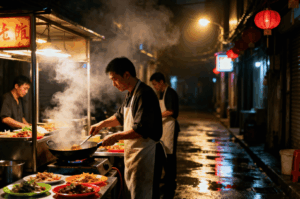
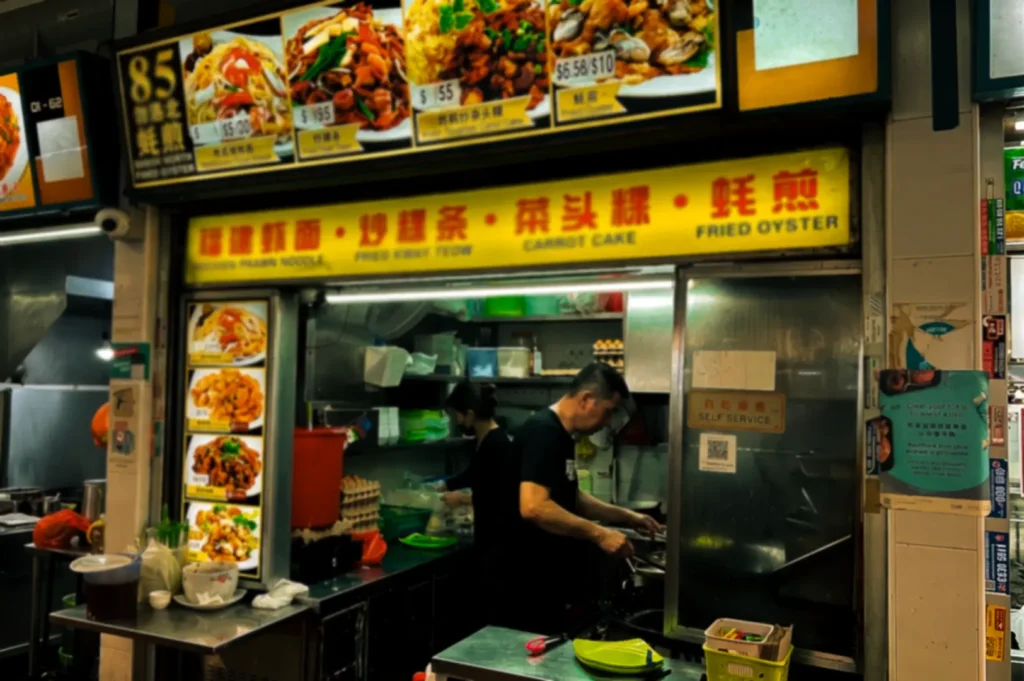
It was not the kind of light a photographer usually looks for. The fluorescent tubes above the stalls at 85 Fengshan Centre cast a pale, uneven glow across the tables, flattening some colours while exaggerating others. But at 1am, standing in front of the fried oyster stall with my camera in hand, I realised the imperfect light was part of the story I was trying to capture.
The plate of fried oyster omelette arrived still carrying the sounds of the wok. The crisp edges of the batter, the scattered oysters beneath the golden surface, and the glossy trail of chilli sauce reflected whatever light reached them. Nothing about the scene was carefully arranged. The dish sat between conversations, passing trays and the constant movement of a hawker centre slowly winding down for the night.
That was exactly what I wanted to photograph.
At 85 Fengshan Centre in Bedok North, the fried oyster stall is one of those places where the food feels connected to the rhythm of the surroundings. Customers arrive late after work, groups gather around plastic tables, and the sound of oil meeting the hot wok becomes part of the background. My focus was not only the finished plate, but the process that brought it there.
The challenge was capturing something that looked both chaotic and deliberate.
Fried oyster omelette is a difficult subject under artificial light. The crispy batter catches highlights easily, while the darker oysters and sauce can disappear into shadow. Moving too close made the dish lose its environment. Pulling too far away made it blend into the busy tables around it. I waited between orders, watching the vendor move between the wok and the counter, searching for the moment where the flames, steam and movement aligned.
The photograph came together when the vendor lifted the omelette from the wok.
For a brief second, the oil caught the overhead light. Steam rose from the freshly cooked edges, and the uneven texture of the dish became more visible. The broken light across the plate revealed what a cleaner setup might have hidden. The small imperfections became the details that gave the photograph its character.
Food photography at a night market is often about accepting what cannot be controlled. The lighting will not always be soft. The background will not always be empty. The dish may arrive with a little sauce spilled on the side or a customer walking through the frame. But these details are part of the environment that gives the food meaning.
While photographing the stall, I found myself paying more attention to the hands behind the dish. The quick movements of the spatula, the careful placement of ingredients and the familiar rhythm of preparing order after order told a story without needing explanation. The fried oyster omelette was not just a plate placed in front of me. It was a small moment in a much larger cycle that continues long after midnight.
By the time I packed my camera away, the crowd had started thinning. The tables became quieter, the lights felt brighter against the empty spaces, and the last traces of steam disappeared into the night air.
The photograph I took was not perfect in the traditional sense. The shadows remained. The light remained uneven. But those were the things that made it feel honest.
Sometimes, the most memorable images are not created by removing the imperfections of a place. They come from learning how to see them.

After Midnight: MRT Adventures of a Food Photographer
Sarah Teh | October 17, 2025
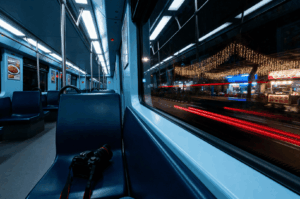
When the clock strikes midnight in Singapore, most tourists retreat to their hotels, but for me, that’s when the real culinary adventure begins. Armed with my camera and an EZ-link card, I transform Singapore’s Mass Rapid Transit (MRT) system into my personal food photography highway, connecting me to hidden midnight eateries that only locals know…
-
The Art of Artificial Lighting for Food Photography: Creating Natural-Looking Photos After Dark
Sarah Teh | October 15, 2025
There’s a certain magic to shooting food after the sun goes down. Whether it’s a steaming bowl of ramen in a dimly lit Tokyo alley or a decadent dessert under the soft glow of a restaurant’s pendant lights, these scenes have a moodiness that daylight often lacks. But as a photographer who spends a lot…
-
Singapore Hidden Food Gems: Whispers from the Wok’s Night Kitchens
Sarah Teh | October 10, 2025
The city-state sleeps, but its heart still beats. Here at 3AM, Singapore transforms. The day’s relentless pace dissolves into a humid, quiet hum. The air, thick with the scent of night-blooming jasmine and rain-washed asphalt, carries a different kind of promise. This is when I begin my hunt, guided not by maps, but by whispers…
-
The Food Photographer Diet: What I Eat While Shooting Everyone Else’s Food
Sarah Teh | October 8, 2025
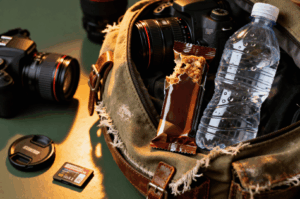
I once spent four hours on a food shoot for a twelve-course tasting menu. Each plate was a colorful masterpiece, carefully created through deliberate styling and composition. The client wanted photos that told a story. It was a symphony of culinary art that required all my attention and skills. What did I have for dinner…
-
Tokyo Late Night Ramen: A Guide to the Secret Shops After Dark
Sarah Teh | October 4, 2025
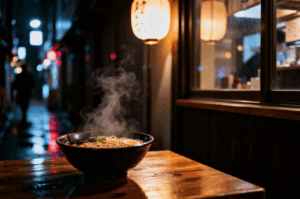
I’ll never forget my first real taste of Tokyo late night ramen. It was nearly 2 a.m., the last train was gone, and I was soaked from a sudden downpour. I ducked into a tiny, steamy shop marked only by a red lantern, squeezed onto a stool at the bar, and ordered. The bowl that…
-
Night and Day: Contrasting Techniques in Food Photography
Sarah Teh | October 3, 2025
In the world of food photography, light is our most crucial ingredient. Just as a chef carefully selects spices to enhance a dish, photographers must master light to bring culinary creations to life. My journey as a midnight food photographer has taught me that different lighting conditions don’t just change how we shoot-they transform what…
-
My Guide to Mastering Low-Light Food Photography
Sarah Teh | October 1, 2025
There’s a special kind of magic that I love to capture when photographing food after dark. The moody shadows, the soft glow from a single candle-it’s a world away from bright, airy daylight shots. But capturing that magic? That’s where the challenge of low light food photography comes in. I remember fighting my camera, wrestling…