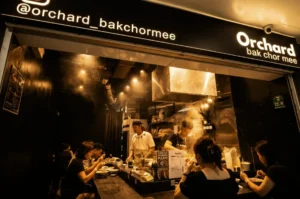
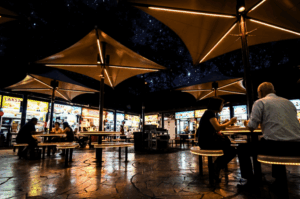
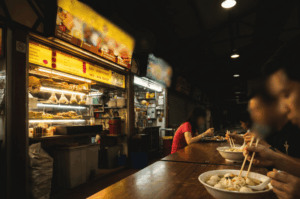
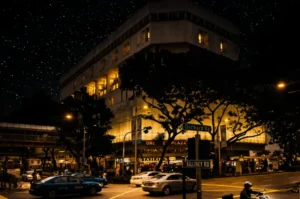
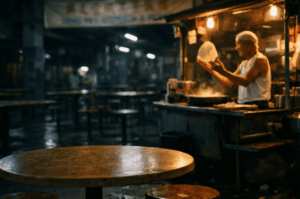
The rain stops, but the streets of Shinjuku still gleam. Reflections of a thousand neon signs shimmer on the wet asphalt, painting the world in electric blue and vibrant pink. For a photographer, Tokyo at night is an endless playground. Nestled within this cinematic landscape, down a narrow alley and behind humble doorways, are the glowing lanterns of the izakaya, the heart of Japanese nightlife. This photography guide explores the intersection of Tokyo photography and the atmospheric appeal of these cosy bars.
For a slower kind of Japanese comfort after dark, follow the warm glow of roux and rice into this guide to midnight Japanese curry spots in Singapore.
The Best Izakayas for Good Food and Japanese Sake in Singapore
Shunjuu Izakaya
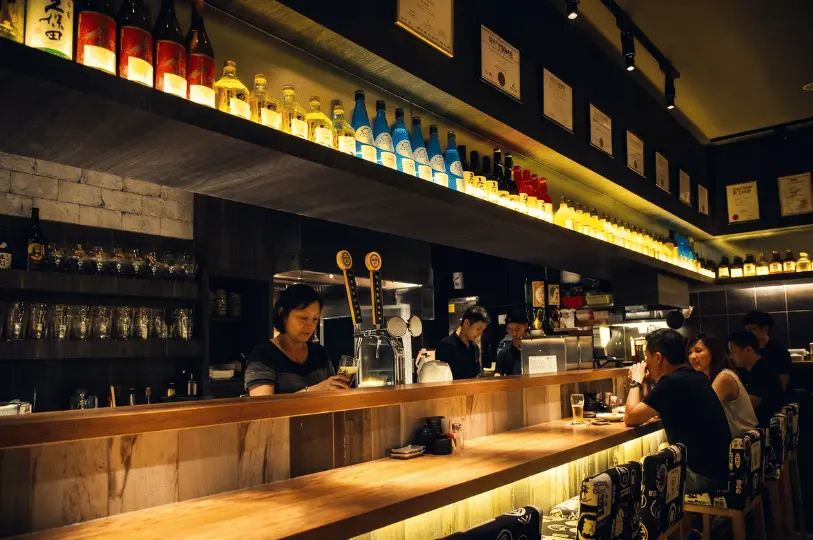
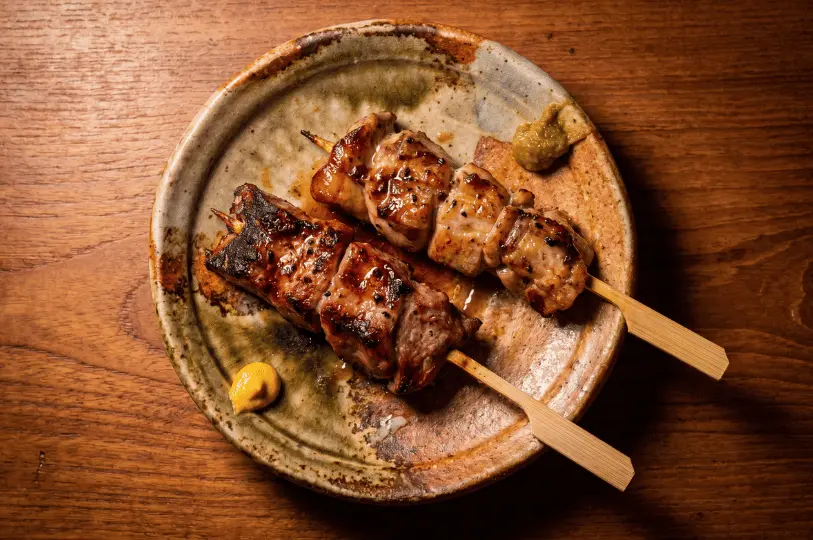
Shunjuu Izakaya is a perfect spot for food photographers who appreciate the visual appeal of traditional izakaya cuisine. The charcoal-grilled skewers showcase rich textures, from the caramelized glaze to the subtle char marks, all beautifully highlighted by the warm, inviting lighting. The gentle wisps of smoke rising from the grill add an atmospheric touch that enhances every shot.
Issho Izakaya
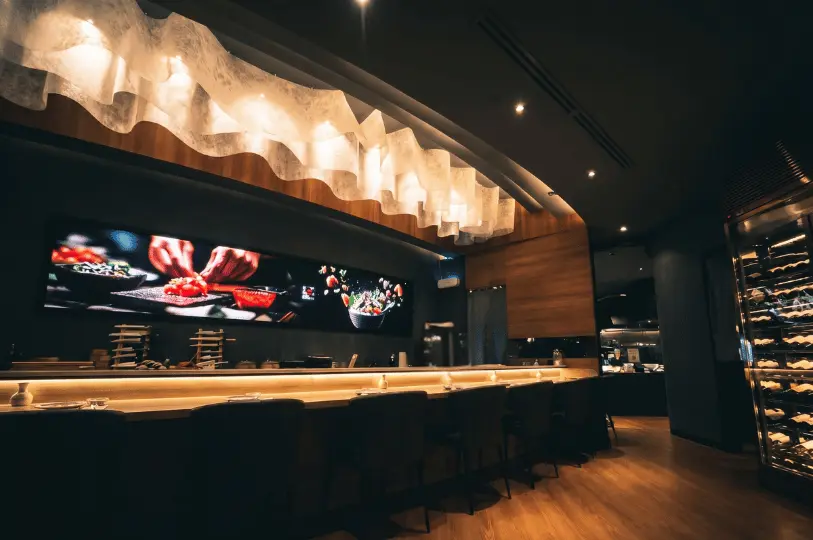
Issho Izakaya offers dynamic scenes ideal for capturing the lively spirit of izakaya dining. Photographers can find compelling moments in the shared plates, the movement of chopsticks reaching into dishes, and the casual interactions around the table. The varied textures and colors of the food, combined with the natural, candid energy, create engaging compositions beyond static food shots.
Public Izakaya
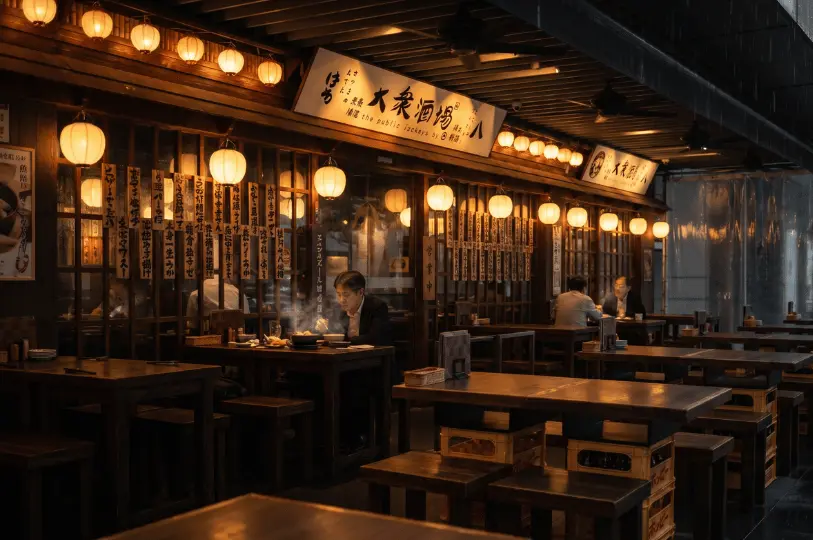
Public Izakaya brings a vibrant, bustling atmosphere that translates well into food photography. The interplay of bright lighting, clinking glasses, and an array of all the izakaya favourites, from grilled skewers and fresh seafood to fried food and shared plates, creates a rich visual narrative. Capturing the convivial mood alongside the food makes each image tell a story of authentic Japanese bar culture.
For more places where grilled skewers, sake glasses, and midnight conversations gather under warm light, explore this guide to late-night izakayas in Singapore.
The Allure of Japanese Izakaya Experience
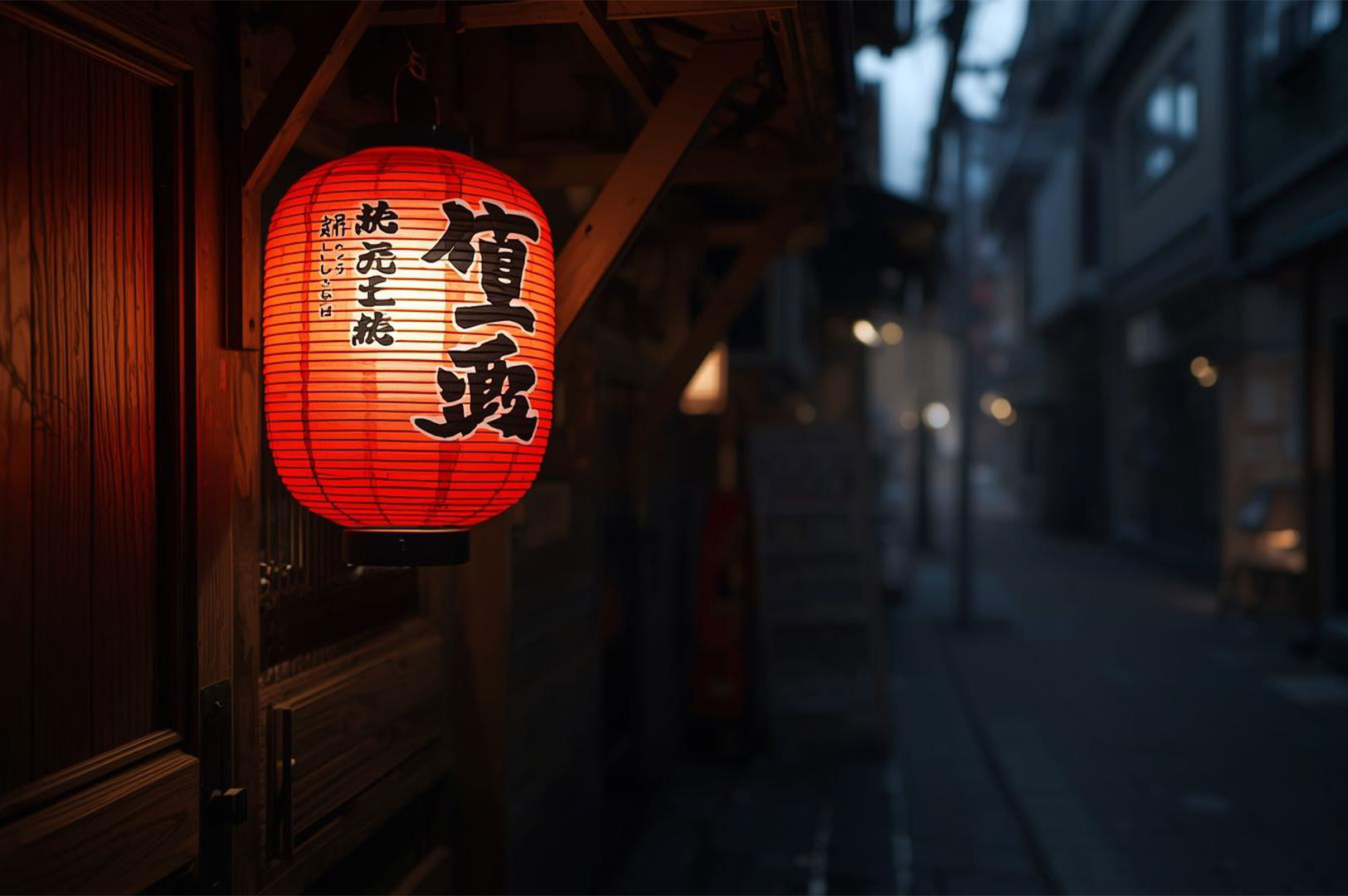
Why do so many photographers gravitate toward izakaya restaurants? An izakaya is more than just a place to drink alcohol; it’s a self-contained universe of visual stories, making it a perfect Tokyo photo spot.
The lighting is a key element. A warm interior glow from paper lanterns creates pockets of light and shadow, perfect for dramatic street photography. The iconic red lantern, or akachōchin, hanging outside contrasts beautifully with the cool tones of the city.
Inside, you’ll find an atmosphere of authenticity. These lived-in spaces are filled with the energy of human connection as patrons clink glasses and share stories. From stacks of mismatched bowls to handwritten menus, every detail tells a tale. Capturing the laughter of friends, the focused intensity of the chef grilling chicken skewers, and the steam rising from small dishes creates genuine, compelling images.
Understanding Izakaya Culture
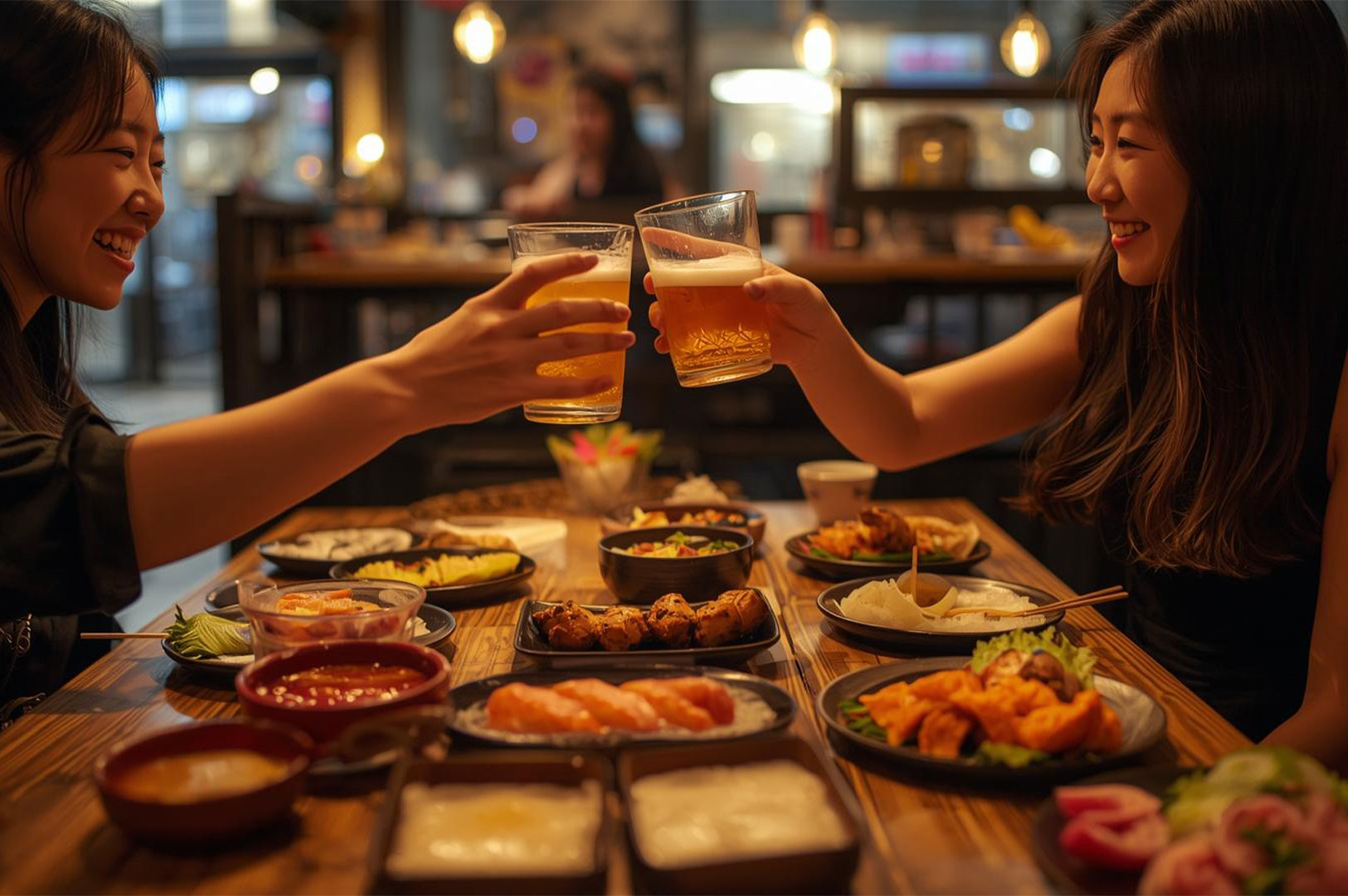
The izakaya began as sake shops where patrons could stand and drink. Today, they are Japan’s version of tapas bars. When you arrive, you’ll be given a wet towel (oshibori) and a small appetizer (otoshi). The menu is designed for sharing, featuring items like grilled chicken skewers (yakitori), grilled fish, raw fish (sashimi), and fried tofu. While many people come to enjoy alcoholic drinks like draft beer or sake, you can always order soft drinks like oolong tea or other non alcoholic drinks.
While some chain izakaya offer private rooms and extensive menus with items like french fries, the best izakaya experiences are often found in smaller, independent establishments on the side streets. The recent indoor smoking ban has also changed the atmosphere in many places.
What Izakaya Food to Shoot
The best izakaya food to photograph is usually the food that carries heat, texture, or movement. Start with grilled skewers: yakitori, tsukune, pork belly, or vegetables with charred edges. They catch the light well, especially when the glaze reflects a little warmth from the table lamp or bar counter. Fried dishes like karaage, tempura, or croquettes also work beautifully because their crisp surfaces create small shadows that make the image feel tactile.
| Frame Shot | What to Capture | Why It Works |
|---|---|---|
| The Charred Close-Up | A tight shot of grilled skewers, focusing on glaze, smoke, and char marks | Highlights the heat, texture, and fresh seasonal produce that define izakaya food |
| The Table Spread | A wider frame with skewers, sashimi, miso soup, grilled meat, and drinks | Conveys the abundance and good vibes of a friendly traditional izakaya dining experience |
| The Hands-in-Frame Shot | Chopsticks lifting gyoza, pouring sake or shochu, or reaching for skewers | Adds a fun, lively feel that captures the social spirit of many izakaya diners |
| The Drink-and-Dish Pairing | Beer, sake barrels, highball with soda water beside a strong dish like buta kakuni or bara chirashi | Anchors the meal visually and showcases the perfect pairing of drinks and izakaya dishes |
Essential Photography Tips
- Embrace Low Light: Use a fast lens (f/1.4-f/2.8) to let in more light. Don’t be afraid to increase your ISO; a little grain adds to the atmospheric feel.
- Capture Details: Focus on close-ups: hands pouring sake, the texture of grilled fish, or condensation on a beer glass. These more photos tell a powerful story.
- Be Discreet: Izakayas are intimate. Use a small camera, never use flash, and always be respectful. Ask for permission before taking portraits.
- Find Unique Angles: Don’t just shoot from eye level. Get low to the ground or find a higher vantage point to create a different angle for a more interesting experience.
Where the Lantern Light Lingers
Tokyo photography in Singapore is not about pretending the city is somewhere else; it is about noticing the small overlaps, the glow of a noren curtain, the quiet geometry of a sake glass, the smoke rising from skewers under warm artificial light. In these izakayas, Singapore does not disappear. It simply takes on another rhythm after dark, where food, shadow, and city light make a table feel like its own little midnight district.

The Tension of the Moment
Sarah Teh | July 16, 2026
There is a half second at a wok stall that I have learned to live for. The flame leaps, the hand tilts, and the whole dish hangs in the air before it falls back into the pan. Miss it, and you get a flat plate of noodles. Catch it, and you get the night itself,…
-
Tha Siam Thai Kitchen: A Thai Supper Glow Inside Orchard Plaza
Sarah Teh | July 15, 2026
Orchard Plaza after dark is a strange kind of quiet. The shiny malls down Orchard Road buzz with crowds, but up here the corridors hum under old fluorescent light, half the shutters down, the air still and slightly worn. I almost walked past Tha Siam Thai Kitchen. If not for the faint thread of Thai…
-
Nasi Lemak Picture Composition: How to Frame Rice, Sambal, and Fried Chicken
Sarah Teh | July 10, 2026
The first nasi lemak picture I ever loved was a failure. It was past midnight, under the harsh fluorescent stall light buzzing overhead, and I had shot the plate straight down the way everyone tells you to. When I looked at it later, everything had melted into one flat surface. The rice, the sambal, the…
-
A Bowl of Hokkaido After Dark
Sarah Teh | July 9, 2026
Photographing Japanese Soup Curry in the City It was past nine, and the rain had just stopped. I had been walking with a fogged lens and an empty stomach, looking for nothing in particular, when the warm light of a small soup curry counter pulled me in. I sat down before I even thought to…
-
Orchard Bak Chor Mee: Vinegar, Steam, and a Late-Night Queue
Sarah Teh | July 8, 2026
I’ll be honest, the first bowl that landed in front of me looked a bit sad. Pale noodles, not much going on, and I nearly worried I’d made a wrong call. Then I tossed it, and the whole thing transformed. That’s the trick with Orchard Bak Chor Mee. The sauce hides at the bottom, so…
-
Through Fogged Glass and Neon Lights
Sarah Teh | July 2, 2026
My lens fogged the moment I stepped out of the cab near Lau Pa Sat. The night air pressed in, thick and warm, and for a few seconds I could see nothing through the viewfinder but a soft white blur. I almost wiped it away in a hurry. Then I noticed how the neon from…
-
Mall Glare Tips: How to Shoot Food Under Harsh Lights at Cuppage Plaza
Sarah Teh | July 1, 2026
The first time I tried to photograph a bowl of ramen at Cuppage Plaza, I nearly gave up. My broth had a shiny white blob on it, the egg looked grey, and the whole shot felt like a hospital cafeteria food photo. I sat there frustrated, soup going cold, wondering why my food photography never…
-
A Lens on the Night
Sarah Teh | June 25, 2026
I remember the exact moment I stopped chasing the perfect plate. It was close to midnight along Geylang Road, and the air still held the day’s heat like a slow exhale. A woman ladled laksa at a corner stall, her face half-lit by a single bulb, and I realized the steam rising from her pot…
-
Three Late-Night Orchard Plaza Food Spots Open Past Midnight (and One Just Before)
Sarah Teh | June 24, 2026
I’ve spent many nights exploring Orchard Plaza’s vibrant late-night food scene, capturing the warm, honest atmosphere that emerges after most of the city sleeps. Over the years, I’ve sampled nearly every supper spot in this slightly worn but charming building. Some places came and went, but three have remained my go-to late-night haunts, plus one early-evening…
-
The Night’s Palette
Sarah Teh | June 18, 2026
The city at night has always drawn me in. The hum of neon signs, the glint of streetlights on slick pavements, and the comforting glow of hawker stalls create a canvas that feels alive with stories. As someone who has spent countless evenings wandering Singapore’s streets with a camera in hand, nighttime food photography has…