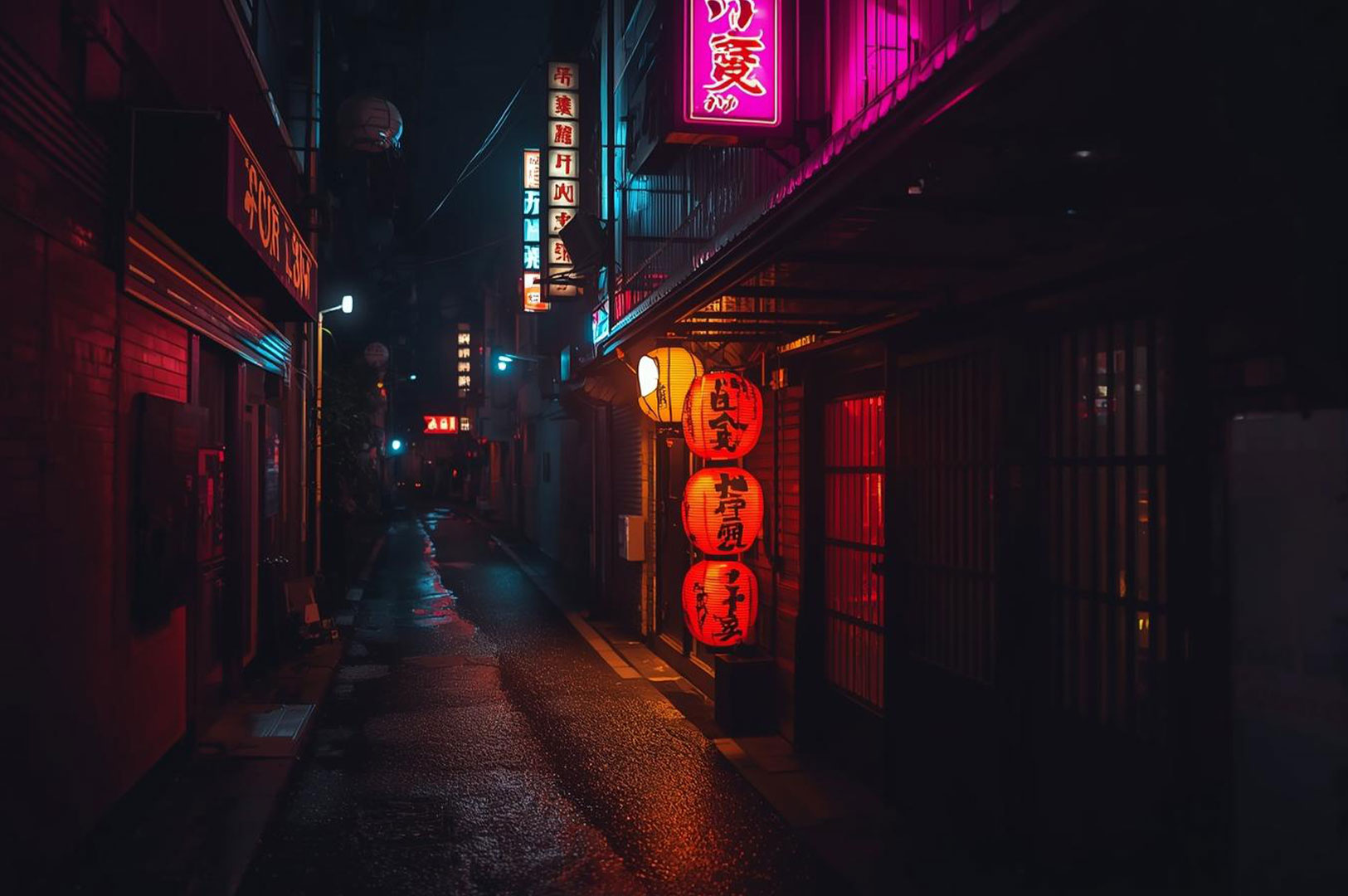
The rain stops, but the streets of Shinjuku still gleam. Reflections of a thousand neon signs shimmer on the wet asphalt, painting the world in electric blue and vibrant pink. For a photographer, Tokyo at night is an endless playground. Nestled within this cinematic landscape, down a narrow alley and behind humble doorways, are the glowing lanterns of the izakaya, the heart of Japanese nightlife. This photography guide explores the intersection of Tokyo photography and the atmospheric appeal of these cosy bars.
Iconic Tokyo Photography Locations
Tokyo offers limitless photo opportunities, from serene temples to a dazzling city skyline. For the best views, the Tokyo Skytree and the iconic Tokyo Tower provide a stunning vantage point. The free observation deck at the Tokyo Metropolitan Government Building near Shinjuku Station is another fantastic option, offering panoramic views perfect for capturing the sprawling city lights.
For a different angle on the cityscape, the Rainbow Bridge and the architectural marvel of the Tokyo International Forum are essential photo spots. During the day, the Imperial Palace and Yoyogi Park offer tranquil scenes, especially during the cherry blossoms season. For dramatic night photography, the blue hour provides soft, moody light. Don’t miss the Shibuya Sky observation deck for a 360-degree view of the famous Shibuya Crossing below. For a more traditional feel, the area around Senso-ji Temple provides a great contrast to the modern metropolis.
The Allure of Japanese Izakaya Photography
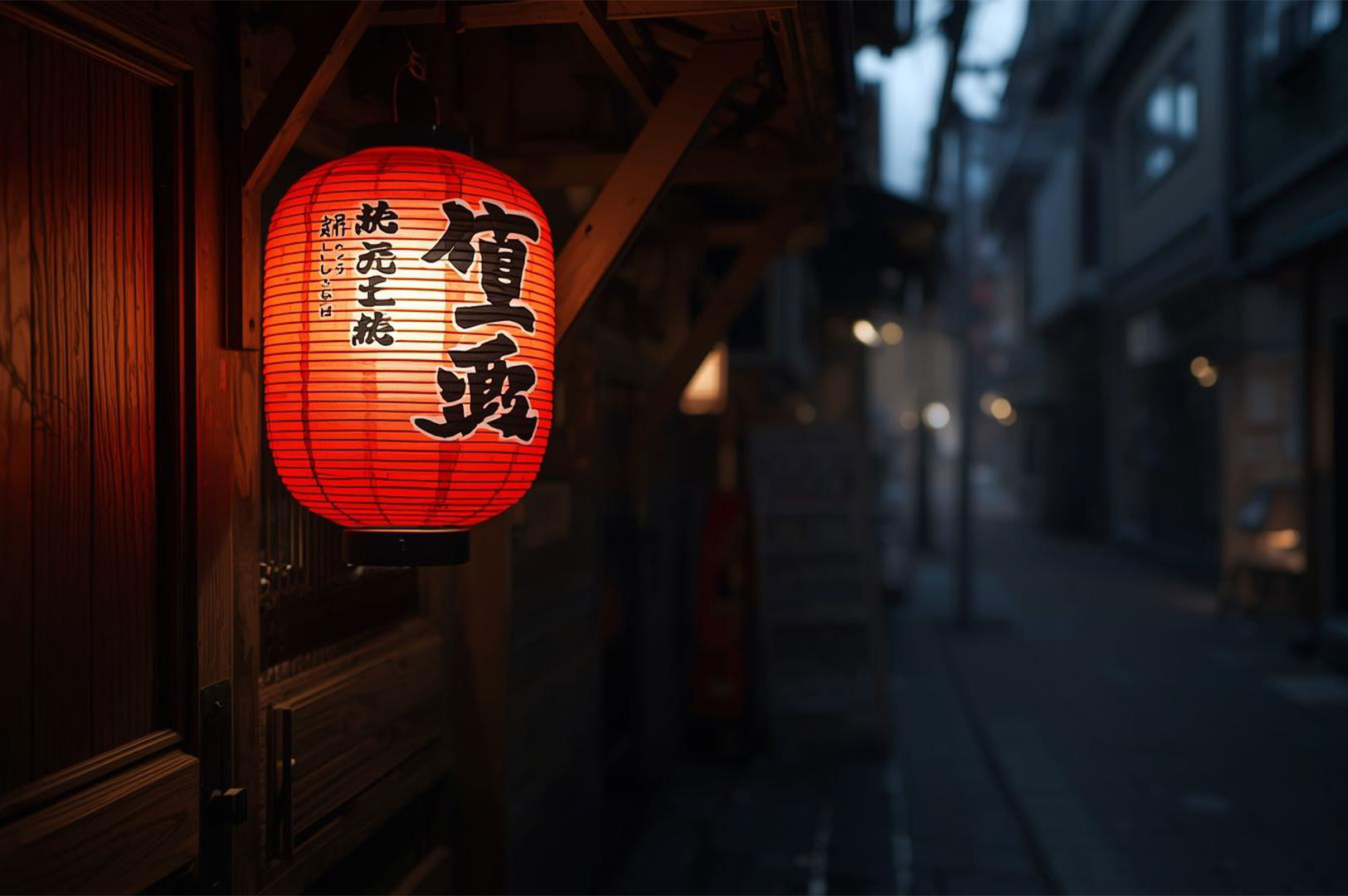
Why do so many photographers gravitate toward izakaya restaurants? An izakaya is more than just a place to drink alcohol; it's a self-contained universe of visual stories, making it a perfect Tokyo photo spot.
The lighting is a key element. A warm interior glow from paper lanterns creates pockets of light and shadow, perfect for dramatic street photography. The iconic red lantern, or akachōchin, hanging outside contrasts beautifully with the cool tones of the city.
Inside, you'll find an atmosphere of authenticity. These lived-in spaces are filled with the energy of human connection as patrons clink glasses and share stories. From stacks of mismatched bowls to handwritten menus, every detail tells a tale. Capturing the laughter of friends, the focused intensity of the chef grilling chicken skewers, and the steam rising from small dishes creates genuine, compelling images.
Where to Find the Best Izakaya Photo Spots
Tokyo is a city of distinct neighborhoods, each offering a unique experience.
- Shinjuku (Omoide Yokocho & Golden Gai): Near Shinjuku Station, you'll find Omoide Yokocho, also known as Memory Lane or the infamous "Piss Alley." This network of cramped, smoky alleys is packed with tiny izakaya and is a prime location for capturing classic scenes. Nearby, Golden Gai offers a labyrinth of minuscule bars that feel like a relic from post-World War II Japan.
- Shibuya (Nonbei Yokocho): Just a stone's throw from the chaos of Shibuya Crossing is Nonbei Yokocho, or "Drunkard's Alley." This charming, quiet alley offers a more intimate izakaya experience, providing a wonderful visual contrast to the modernity surrounding it.
- Ueno (Ameya Yokocho): This bustling market street has numerous open-air izakaya where the line between the bar and the street blurs, creating fantastic opportunities for dynamic street photography.
Understanding Izakaya Culture
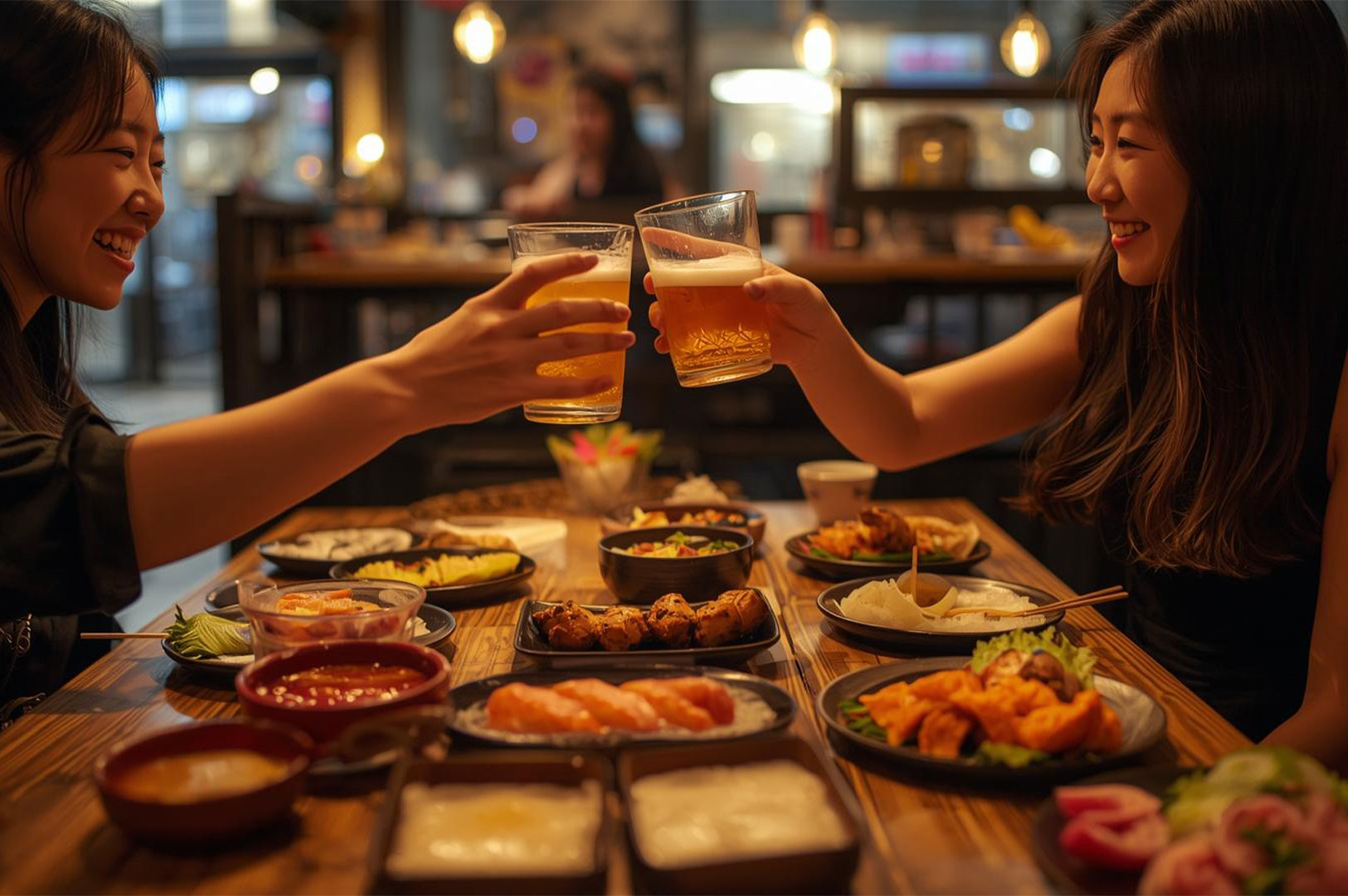
The izakaya began as sake shops where patrons could stand and drink. Today, they are Japan's version of tapas bars. When you arrive, you’ll be given a wet towel (oshibori) and a small appetizer (otoshi). The menu is designed for sharing, featuring items like grilled chicken skewers (yakitori), grilled fish, raw fish (sashimi), and fried tofu. While many people come to enjoy alcoholic drinks like draft beer or sake, you can always order soft drinks like oolong tea or other non alcoholic drinks.
While some chain izakaya offer private rooms and extensive menus with items like french fries, the best izakaya experiences are often found in smaller, independent establishments on the side streets. The recent indoor smoking ban has also changed the atmosphere in many places.
Essential Photography Tips
- Embrace Low Light: Use a fast lens (f/1.4-f/2.8) to let in more light. Don't be afraid to increase your ISO; a little grain adds to the atmospheric feel.
- Capture Details: Focus on close-ups: hands pouring sake, the texture of grilled fish, or condensation on a beer glass. These more photos tell a powerful story.
- Be Discreet: Izakayas are intimate. Use a small camera, never use flash, and always be respectful. Ask for permission before taking portraits.
- Find Unique Angles: Don't just shoot from eye level. Get low to the ground or find a higher vantage point to create a different angle for a more interesting experience.
Tokyo’s night is waiting. Wander down that narrow alley, follow the scent of yakitori, and capture the stories within. Continue your journey through visual and culinary discovery with Night Photography Portfolio: Singapore’s Most Photogenic Fusion Restaurants and Best Restaurant Singapore: A Complete Guide to the Lion City’s Top Dining Destinations.

Western Food In Singapore After Dark: A Midnight Photographer’s View
Sarah Teh | April 1, 2026
I often find myself photographing western food late at night, when the city softens and the dining table becomes quieter. Western food in Singapore does not always live inside polished restaurants. Sometimes it sits under fluorescent lights at a food center, sometimes at a hawker stall with a flat top grill that has seen decades…
-
The Art of Night Dining Photography: Tanjong Pagar Food
Sarah Teh | March 25, 2026
It’s close to midnight when the CBD quiets and Tanjong Pagar’s corridor lights ignite with warmth. The late MRT ride is the threshold to a world where tanjong pagar dining scenes unfold for my camera—tanjong pagar food under neon and rain-polished streets, kitchens humming long past regular opening hours. The tanjong pagar area stands out…
-
Chinatown Food in Singapore: A Photographer’s Guide to Street Food After Sunset
Sarah Teh | March 18, 2026
You step off the train, and the humidity hits you first, closely followed by the intoxicating aroma of sizzling garlic, roasting meats, and sweet soy sauce. The sun dips below the horizon, and neon signs flicker to life, casting a warm red glow over the bustling streets. Arriving hungry here is an absolute necessity to…
-
Tanjong Beach Club Singapore: Photographic Rhythm on Sand, Sea, and Night Service
Sarah Teh | March 11, 2026
The sun stretches along Tanjong Beach, casting shifting gold onto the sand and across plush daybeds that define this corner of Singapore’s beach culture. This is golden hour at Tanjong Beach Club, often regarded as one of Singapore’s best beach destinations, where the world outside the city softens, welcoming guests who discover their own spot…
-
What to Eat in Tanjong Pagar: Night Photography Across Best Restaurants, Food Centres, and Modern Eateries
Sarah Teh | March 4, 2026
I arrive inTanjong Pagar as blue hour overtakes the shophouse spine. The goal isn’t just dinner—it’s to answer what to eat in Tanjong Pagar from a night photographer’s field standpoint. Every dish and space signals an opportunity, from fried chicken to glossy rice bowls, all set in dynamic, real service. What matters is resonance under…
-
Food in Tanjong Pagar: A Midnight Photographer’s Field View to Food & Light After Dark
Sarah Teh | February 25, 2026
When Singapore’s CBD finally exhales, and the bustle of the day quiets around Tanjong Pagar MRT station, the lights come up on a different stage. Here, in the heart of Tanjong Pagar, hidden food centres, bustling hawker stalls, and stylish Korean and Japanese restaurants located in Tanjong Pagar keep the neighbourhood’s energy burning late. Whether…

Unveiling Hidden Treasures: An Enchanting Evening at Chijmes Restaurant
Sarah Teh | February 18, 2026
As night spills over the cloisters of CHIJMES, the bustle from Victoria Street fades to a hum and the architectural bones of the historic convent emerge, lit by warm lamps and candlelight. I arrive late, just as the last light fades, hunting for the perfect chijmes restaurant frame; one that balances cultural heritage conservation with…
-
CHIJMES Singapore: Photographing Heritage, Dining, and Architectural Icons
Sarah Teh | February 12, 2026
When I first visited CHIJMES Singapore, I was immediately captivated by how seamlessly history and modern life blend here. I practically had to restrain myself from pointing my lens at everything my eyes land on. Nestled at the bustling intersection of Victoria Street, North Bridge Road, and Bras Basah Road, this national monument and historic…
-
Before the Rush: Capturing the Hidden Rhythms of Amoy Food Centre Photography
Sarah Teh | February 4, 2026
Dawn at Amoy Street Food Centre is a collision of fluorescent lights and billows of steam. Against tiled grates, condensation slides down; hawkers prime their pepper bowl and swirl strands of sliced fish soup through scalding water. Within this storied food centre, every corridor concentrates urgency, flavor, and visual drama. Amoy food centre photography thrives…
-
Amoy Street Food Centre Singapore: A Living Archive of Vanishing Culinary Techniques
Sarah Teh | January 28, 2026
As the dinner rush subsides at Amoy Street Food Centre Singapore, the true choreography begins. Seasoned hawker stall owners move with precision honed over decades, their wok fire dancing in rhythms that predate Singapore’s modern skyline. Six Michelin Bib Gourmand stalls operate within this 1983-established food centre, transforming what began as a government cleanliness initiative…