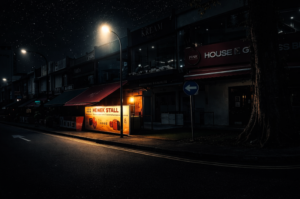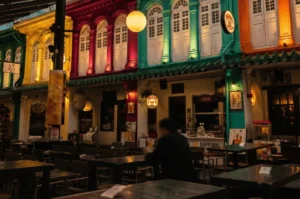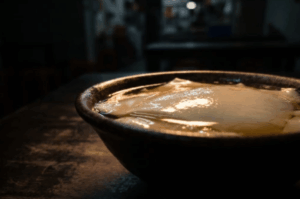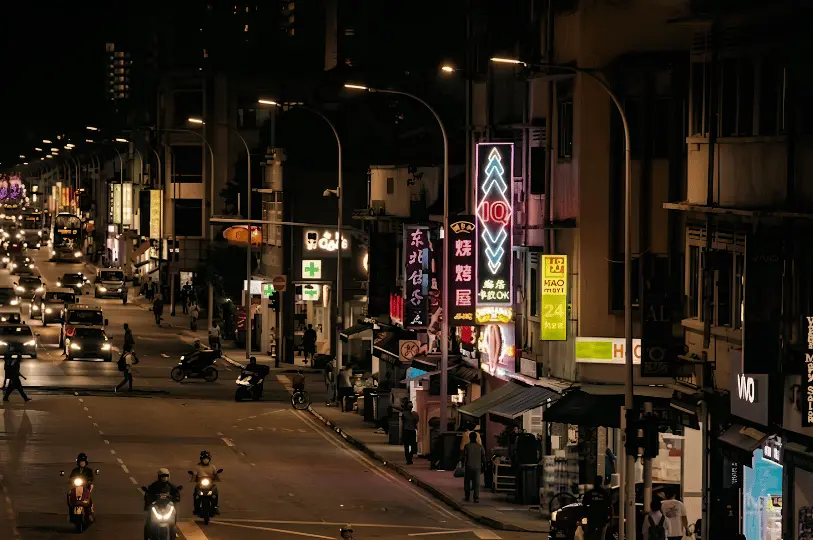
The first time I visited Geylang for supper after dark, I was a wide-eyed tourist chasing a recommendation for the best beef kway teow. I got off at the MRT and walked into a vibrant, chaotic world of neon signs, sizzling woks, and streets humming with an energy unique to Geylang food culture. It was intimidating but exhilarating.
Over many subsequent visits, I’ve learned that Geylang isn’t just a food district; it’s a living, breathing part of Singapore’s soul, especially after the sun goes down. This guide is for anyone who wants to dive into Geylang’s legendary supper scene. I’ll share what I’ve learned from my own experiences, from the amazing discoveries to the rookie mistakes, to help you navigate this incredible neighborhood with confidence. Forget the sterile shopping malls; this is where you find the real, unfiltered taste of Singapore.
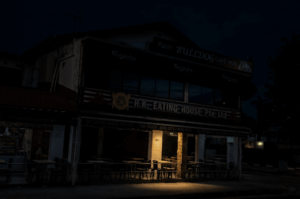
Zi Char Eating Houses: The Heart of Geylang’s Nightlife
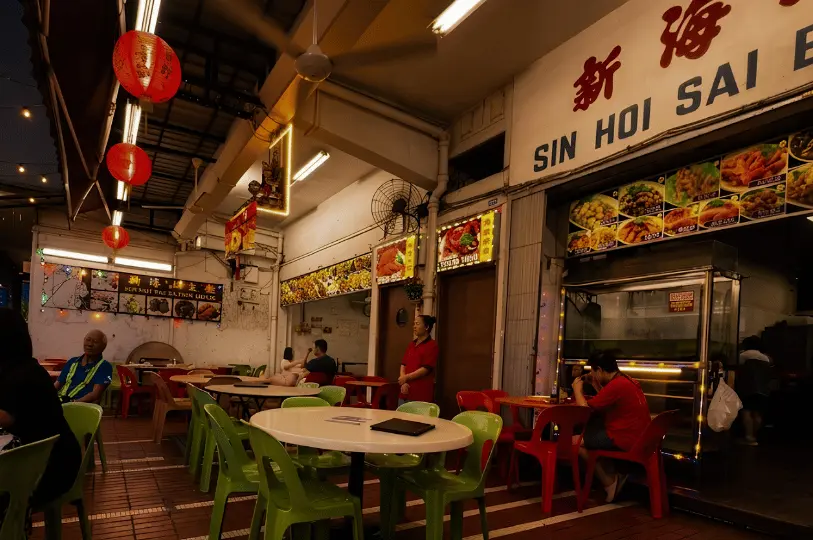
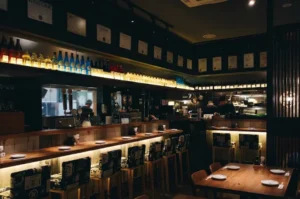
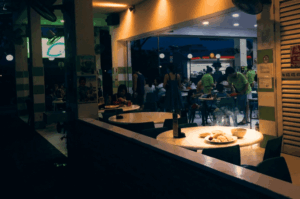
Geylang’s eating houses are the cornerstone of its vibrant supper culture. They operate late into the night, offering generous portions of zi char dishes that showcase the best of Singapore’s culinary heritage. Whether you crave wok hei-infused fried rice or a plate of bak chor mee from a renowned bak chor mee stall, Geylang’s eating houses deliver authentic flavours that keep locals and tourists coming back for more.
- Best Time to Visit: 9PM to 1AM for the liveliest atmosphere.
- Best Seller: Wok hei fried rice and salted egg prawns.
- My Pick: Try the spicy sambal prawns alongside a plate of crispy chicken thigh for a balanced meal.
- Flavor Profile: Bold, savory, with a perfect balance of spicy, creamy, and smoky wok hei notes.
Geylang Serai Market: A Malay Food Haven
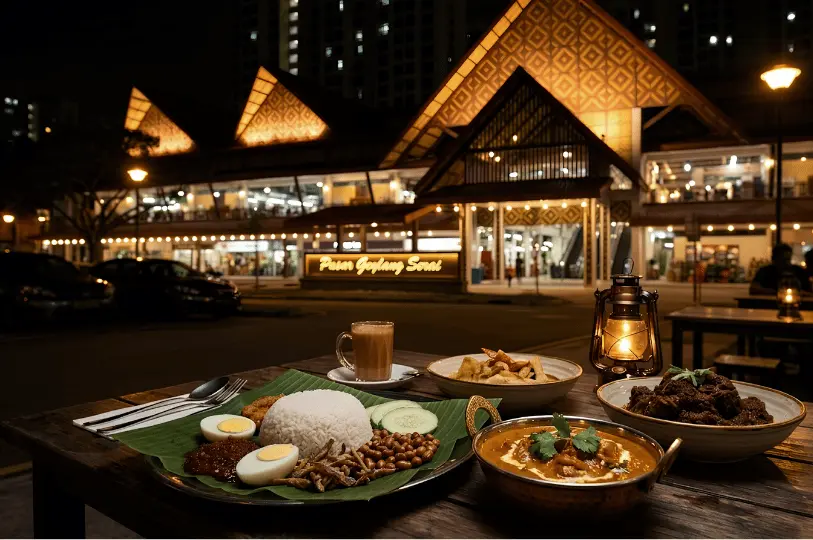
Geylang Serai Market is a must-visit for anyone seeking traditional Malay cuisine in Singapore. Located just a short walk from Paya Lebar MRT, this market and food centre is famous for its nasi lemak, fragrant with coconut rice, crispy anchovies, and spicy sambal. The market’s extensive selection includes dishes like butter chicken masala and mutton rendang, all served with fresh spring onion garnishes. The market’s vibrant atmosphere and diverse food stalls make it a perfect spot to experience the rich flavours of Malay cooking, especially during festive seasons when the market is bustling with activity.
- Best Time to Visit: 7AM to 1PM for fresh market produce and lunch.
- Best Seller: Nasi lemak with sambal and crispy anchovies.
- My Pick: Don’t miss the butter chicken masala paired with fragrant coconut rice.
- Flavor Profile: Rich, aromatic, with a harmonious blend of spicy, creamy, and herbaceous notes.
Chicken Rice and Bak Kut Teh: Classic Comfort Food in Geylang
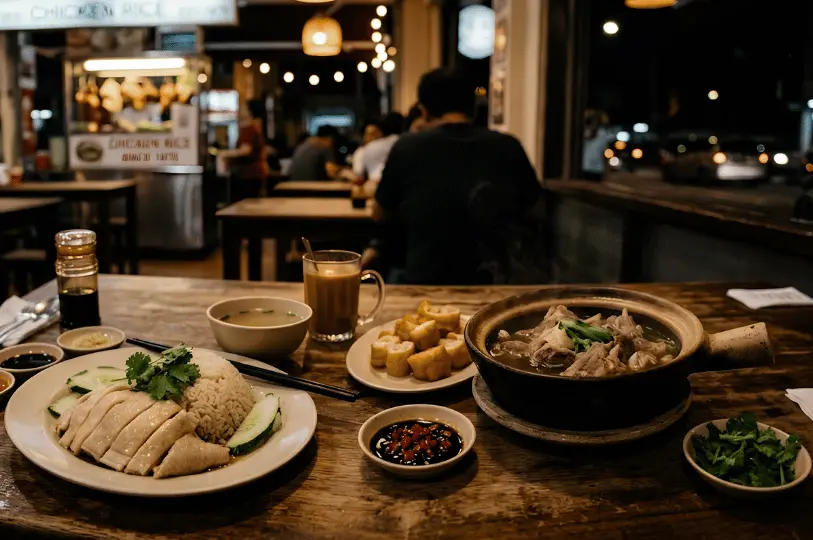
No exploration of Geylang food is complete without sampling its iconic chicken rice and bak kut teh. The chicken rice here is served with tender, juicy chicken thigh pieces accompanied by fragrant rice cooked in chicken broth. Meanwhile, the famous Balestier Bak Kut Teh, offers a hearty, peppery pork rib soup that’s perfect for late-night feasts. These dishes represent the comforting, homely side of Geylang’s food scene.
- Best Time to Visit: 7PM to 10PM for a soothing supper.
- Best Seller: Chicken rice with tender chicken thigh; Balestier Bak Kut Teh’s premium loin ribs.
- My Pick: Pair the bak kut teh with fried you tiao and a side of fragrant rice.
- Flavor Profile: Savory, peppery, and aromatic with tender, juicy meat textures.
Beef Kway Teow and Dim Sum: Geylang’s Signature Dishes
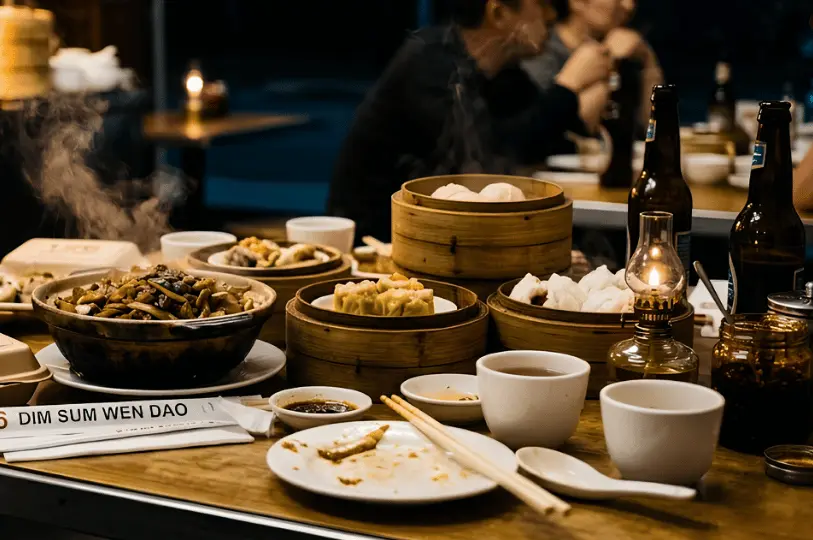
Geylang is renowned for its beef kway teow, a dish celebrated for its generous portion of tender beef slices and the signature wok hei that infuses the rice noodles with smoky flavour. The thick gravy and spicy chilli sauce elevate the dish, making it a favourite among supper-goers. For those craving dim sum, Mongkok Dim Sum and 126 Dim Sum Wen Dao Shi are two legendary spots offering an extensive selection of steamed and fried dim sum items. Open 24 hours or close to it, these eateries are perfect for satisfying late-night cravings with tasty dishes like steamed chicken claws and fried pork dumplings.
- Best Time to Visit: 12AM-4AM for that comforting ‘pick-me-up’ dim sum after a night-out.
- Best Seller: Beef kway teow with wok hei; steamed chicken claws at Mongkok Dim Sum.
- My Pick: Order the abalone siew mai and fried pork dumplings for a varied dim sum experience.
- Flavor Profile: Smoky, savory, with a satisfying mix of tender meats and delicate dim sum textures.
Geylang Serai: A Cultural and Culinary Gem Beyond The Market
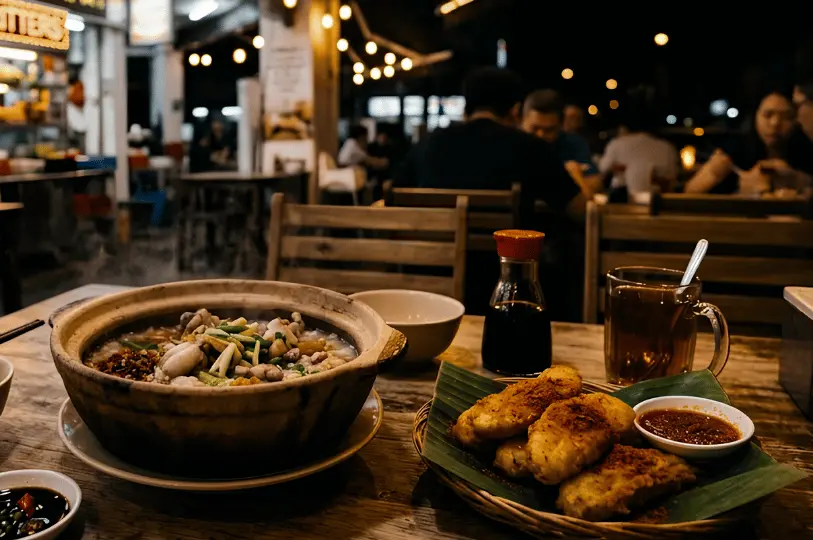
Beyond the market, the Geylang Serai area is a cultural hub that offers an array of Malay and local dishes. From hearty porridge with fresh fish to spicy fried banana desserts, the flavours here are rich and authentic. The area’s food stalls often serve dishes with fresh prawns, mutton curry, and other seafood cooked in traditional sauces. Geylang Serai is also known for its bustling night markets where you can eat, shop, and soak up the local atmosphere. You’d be surprised to find that a lot of the stalls come and go, so what you find in your first visit could very well differ from your next one.
- Best Time to Visit: 6PM to 12AM for vibrant night market energy.
- Best Seller: Claypot frog porridge and spicy fried banana.
- My Pick: Try the fresh fish porridge paired with a side of fried banana for a sweet and savory balance.
- Flavor Profile: Comforting, spicy, and sweet with fresh seafood and traditional Malay spices.
Good Food Along Geylang Road and Beyond
Geylang Road is lined with eateries famous for their white pepper crab, a dish that Anthony Bourdain once praised for its bold flavours. JB Ah Meng is a standout name here, known for its crispy salted egg prawns and san lou bee hoon. Nearby, BBQ Box offers delicious skewers and grilled meats with a unique blend of spices. For those seeking international flavours, banh mi stalls provide tasty Vietnamese sandwiches perfect for a quick bite. The area around Geylang Road is a hotspot for late-night dining, with many places open 24 hours to serve hungry night owls.
- Best Time to Visit: 8-11 PM for the full vibrant street food experience.
- Best Seller: White pepper crab and salted egg prawns at JB Ah Meng.
- My Pick: Pair the san lou bee hoon with grilled skewers from BBQ Box for a fulfilling meal.
- Flavor Profile: Bold, spicy, and savory with crispy textures and rich seafood sauces.
Balestier Bak Kut Teh and Banh Mi: More Flavours to Explore
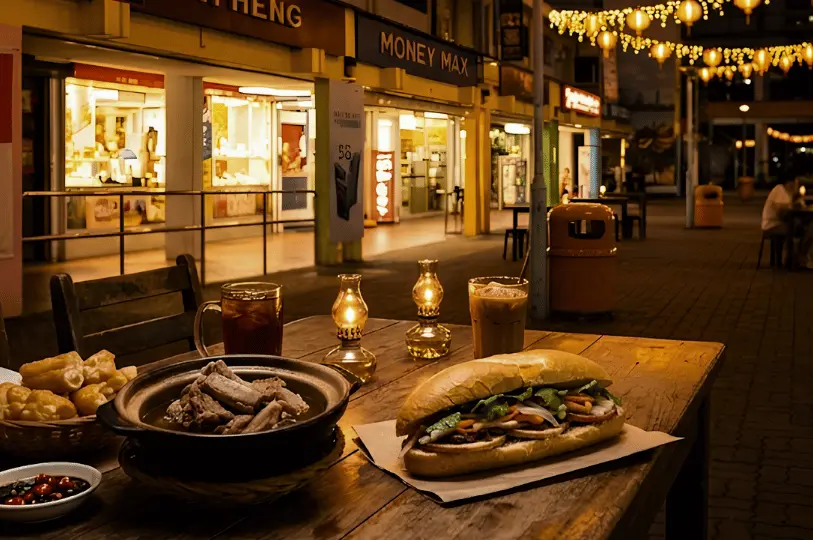
Balestier Bak Kut Teh is a beloved spot for those craving a comforting bowl of peppery pork rib soup. Known for using premium loin ribs and serving thick gravy, it’s a great alternative to Geylang’s offerings. Meanwhile, banh mi vendors in areas like Ang Mo Kio and Serangoon Gardens bring authentic Vietnamese flavours to Singapore’s food scene. These sandwiches, filled with crispy meatballs, fresh vegetables, and spicy sauce, are perfect for a late-night snack or casual dinner.
- Best Time to Visit: Anytime, with peak hours around lunch and late evening.
- Best Seller: Premium loin ribs bak kut teh; crispy meatball banh mi.
- My Pick: Try the bak kut teh with a side of fried dough fritters and the banh mi with extra chili sauce.
- Flavor Profile: Savory, peppery, and fresh with a satisfying crunch and spice kick.
24 Hours of Culinary Delights: For Those That Remain Awake Beneath The Moon
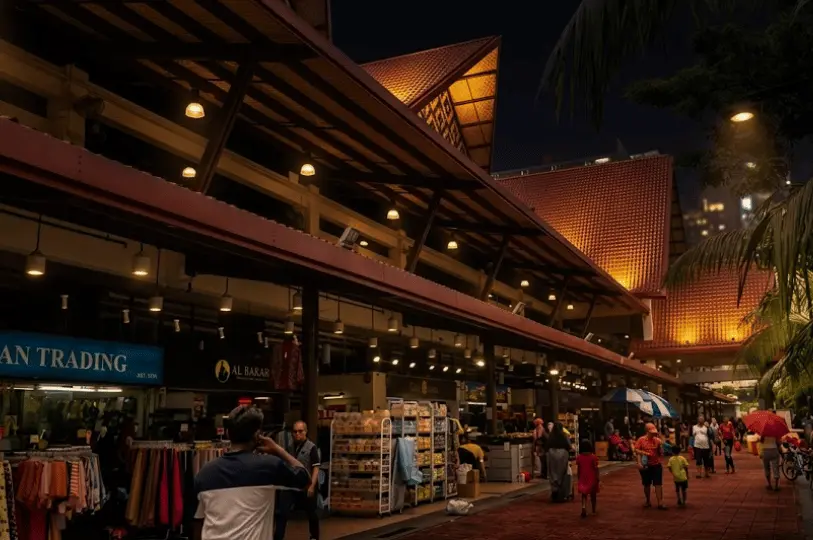
Geylang’s food scene never sleeps, and neither do I when I’m craving a late-night feast. I love that many spots, like Srisun Express and Takagi Ramen, are open 24 hours, so I can satisfy my hunger for Korean fried chicken, fried rice, or ramen anytime the mood strikes. Kazutake Ramen and Mongkok Dim Sum are my go-to places when I want an extensive menu that hits all the right notes. Whether I’m in the mood for seafood, noodles, or even burgers, Geylang and its nearby areas always have something delicious waiting for me, no matter the hour.
Geylang covets the best eating houses, markets, and dishes that define this iconic Singaporean district. From traditional Malay fare at Geylang Serai Market to the bustling supper scene along Geylang Road, you’ll be sure to find good food that’s rich in flavour and culture. So next time you’re in Singapore, make sure to explore Geylang’s vibrant culinary landscape. After all, why miss out on the kitchens that never sleep when the rest of the world is?
For a feast that delights your taste buds and a nightscape that dazzles your eyes, check out this stunning guide to night photography at a restaurant in Chijmes.

Shunjuu Izakaya: Smoke, Sake, and the River at Night in Singapore
Sarah Teh | June 17, 2026
I almost didn’t see the entrance the first time. Tucked along Robertson Quay at 30 Robertson Quay, #01-15 Riverside View, Shunjuu Izakaya is a Japanese restaurant in Singapore serving an exciting menu of Japanese cuisine. It hides behind a curtain of charcoal smoke and warm lantern light. Then I caught the smell of grilling pork…
-
Beyond The Plate
Sarah Teh | June 11, 2026
Capturing the People Who Bring Midnight Eats to Life The metallic snip of heavy scissors echoes down Jalan Besar long after the rest of the city has gone to sleep. Standing on the pavement at two in the morning, I adjust my camera settings to capture the harsh, fluorescent glow spilling out from Beach Road…
-
Wandering Through Hidden Corners of the World
Sarah Teh | June 11, 2026
Travel teaches you to notice what others overlook. The markets, the alleys, the quiet squares; these are the spaces where the rhythm of a place is unguarded, intimate, and fleeting. Walking along winding streets in a small European town, or tracing narrow lanes in an Asian city just as the sun dips below the rooftops,…
-
Singapore Izakaya Chefs: The Masters Keeping Our Late-Night Kitchens Alive
Sarah Teh | June 10, 2026
If you want to understand Singapore izakaya chefs, or photograph them honestly, you have to stop seeing these places as only casual drinking spots. This guide walks through how to observe, respect, and capture the people who keep Singapore’s izakaya scene alive long after the office towers go dark. Discover the smoky rhythm and masterful…
-
Capturing Singapore’s Nocturnal Soul
Sarah Teh | June 5, 2026
The heavy, damp air of Geylang Road clings to your skin at three in the morning. Long after the daily rush of commuters has faded, a different pulse awakens. Walking the neon-lit pavements with my camera, I look for the quiet pockets of life that only emerge in the dark. The city strips away its…
-
In the Footsteps of the Midnight Photographer
Sarah Teh | June 4, 2026
The city breathes differently after midnight. The relentless hum of daytime traffic fades, leaving behind a thick, humid silence punctured only by the hiss of hot oil and the clatter of ceramic bowls. Walking through the quiet alleys of Jalan Besar, I carry my camera not to document daylight perfection, but to capture the weight…
-
The Public Izakaya: Behind the Lens at a Singapore Izakaya Experience
Sarah Teh | June 3, 2026
I walked into The Public Izakaya 2.5 Nitengo on a Friday around 10:15 PM, right as the after-work drinks crowd in Tanjong Pagar was hitting its peak. Walking into a packed room with a proper camera always gives me a wave of anxiety. I worry about looking intrusive or annoying the diners trying to settle…
-
The Calm Before The Crowd
Sarah Teh | May 29, 2026
The light shifts abruptly in Singapore around six in the evening. The harsh afternoon sun softens into a bruised purple, and the ambient noise of the city begins to change. Standing at the edge of Old Airport Road Food Centre, I watch the heavy metal shutters roll up one by one. This is my favorite…
-
Izakayas Singapore: How to Capture Izakaya Food Under Warm, Low Light
Sarah Teh | May 27, 2026
I was sitting at a cramped counter in Cuppage Plaza, surrounded by the incredible smell of binchotan charcoal and roasting chicken fat. The mood was perfect. The dim tungsten lamps cast a beautiful, moody glow over the dark wooden planks of the counter, setting the quintessential izakaya in Singapore ambiance. But when I looked at…
-
Flavors in the Dark
Sarah Teh | May 22, 2026
How Low Light Changes the Way We See Food The streetlamps along Jalan Besar hum with a faint, electric buzz at two in the morning. At this hour, the city strips away its gloss. The flat, forgiving daylight is gone. What remains are isolated pools of amber and the stark white glow of fluorescent tubes….