The gravy caught the light before the plate reached the table.
I watched it travel from the kitchen in someone’s hand, a wide plate of beef kway teow still moving slightly from the walk, the surface shining under the fluorescent tubes. By the time it landed in front of me, the glare had settled into a long white stripe across the middle. Right where the beef was.
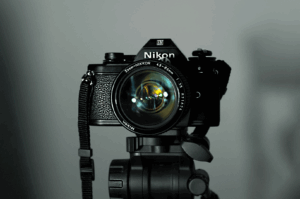
I lowered my camera and let my own eye to capture it in my mind for a while.
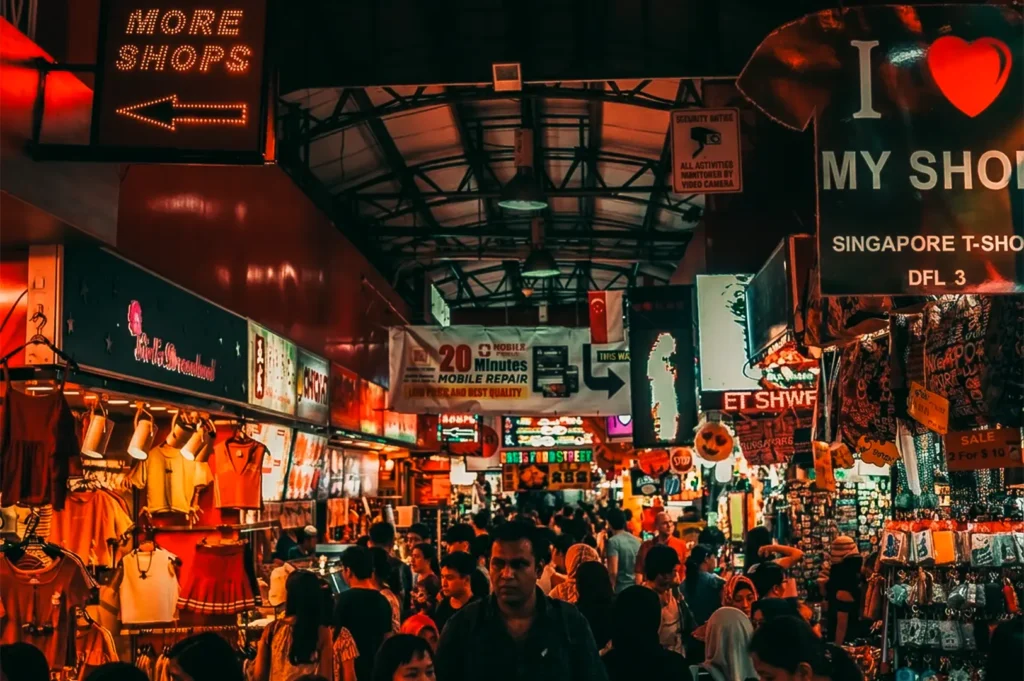
Mongkok Dim Sum sits along one of Geylang’s late streets, where the shopfronts stay lit long after the rest of the city has gone quiet. I had arrived after ten. The tables spilled toward the five-foot way, metal chairs scraping, plates of dim sum stacked in bamboo near the counter. Taxis idled at the kerb. A motorcycle passed slowly, its engine louder than anything inside.
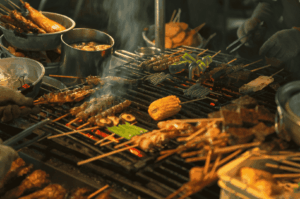
The kitchen was visible from where I sat. A wok, a burst of flame, a hand pulling the handle back in a short, practised motion. The flat rice noodles went in first, tossed until they darkened at the edges. Then the beef. Then the gravy, poured in a thin pale stream that turned glossy the moment it met the heat. The whole thing took less time than it took me to find focus.
There was no pause between orders. Plates went out, and the wok went straight back onto the flame.
The plate in front of me was the problem I had come for.
Beef kway teow is the main character for today. The noodles are slick, the beef is coated, and the egg gravy pools around everything like still water. Under overhead fluorescent light, that surface becomes a mirror. Every frame I took from above showed the ceiling more clearly than the food.
So I moved instead of the plate.
I shifted my chair a little to the left, until the brightest tube fell outside the reflection. Then I dropped lower, almost to the edge of the table, so the camera looked across the gravy rather than down into it. From that angle, the shine broke into small highlights along the noodles instead of one flat sheet. The beef slices rose out of the gravy, darker, with their edges curled from the wok. A few strands of egg sat suspended in the sauce.
I waited for the steam. It came in thin threads, visible only where it crossed the dark street behind the table. I framed the plate in the lower third and let the shopfront blur above it, one orange sign and the shapes of other diners leaning into their food.
The frame I kept was the fourth one. The glare was still there, but small now. A single bright curve along the rim of the plate, as though the light had been allowed in, but only so far.
I put the camera down and ate.
The noodles had softened in the gravy while I worked. They were still warm. The beef was tender, the gravy mild and smoky from the wok. I ate slowly, the way you do when you have already looked at something for too long to rush it.
It occurred to me that the shine I had been fighting was the dish telling the truth. Food cooked this fast, over this much heat, does not come out matte. The gloss is evidence of the flame. My job was never to remove it. Just to give it a place in the frame where it did not take over.
Geylang at night works the same way. It is bright where it needs to be and dark everywhere else, and the food happens in between. If you want to wander these streets yourself, our night food guide to Geylang maps out where the lights stay on late.
When I left, the wok was still going. Another plate passed me on its way out, the gravy catching the same white light.
I walked home with the camera heavy against my side, thinking about that stripe of glare, and how close I had come to wanting it gone.

Night and Day: Contrasting Techniques in Food Photography
Sarah Teh | October 3, 2025
In the world of food photography, light is our most crucial ingredient. Just as a chef carefully selects spices to enhance a dish, photographers must master light to bring culinary creations to life. My journey as a midnight food photographer has taught me that different lighting conditions don’t just change how we shoot-they transform what…
-
My Guide to Mastering Low-Light Food Photography
Sarah Teh | October 1, 2025
There’s a special kind of magic that I love to capture when photographing food after dark. The moody shadows, the soft glow from a single candle-it’s a world away from bright, airy daylight shots. But capturing that magic? That’s where the challenge of low light food photography comes in. I remember fighting my camera, wrestling…